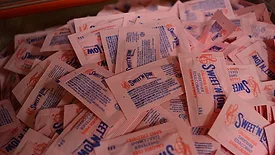
The European Food Safety Authority (EFSA) has increased the acceptable daily intake for saccharin (commonly known as Sweet’N Low) by 4 mg/kg of bodyweight per day, saying the latest scientific evidence does not support that the artificial sweetener is damaging to DNA.
The number of patients reported in the ongoing Escherichia coli outbreak linked to onions served at McDonald’s restaurants has grown to 104 people across 14 states. A patient has recently been reported in North Carolina.
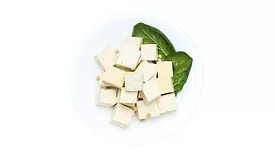
A recent study found the majority of vegan meat and dairy alternatives available in England to be of satisfactory microbiological quality. Tofu from one producer had a Listeria problem.
The U.S. Department of Agriculture (USDA) recently released its Pesticide Data Program Annual Summary for 2023, which showed more than 99 percent of sampled products to be compliant with pesticide residue tolerances set by the U.S. Environmental Protection Agency (EPA).
A recent study of salmon sold at Seattle, Washington grocery stores and sushi restaurants found 18 percent of samples to be mislabeled overall, with one-third of “wild-caught” salmon sold at sushi establishments being mislabeled.
The challenge of mitigating E. coli in leafy greens calls for a rigorous, multifaceted approach that includes stringent sanitation practices, facility design optimization, and the use of advanced microbial control methods.
The U.S. Department of Agriculture’s Food Safety and Inspection Service (USDA-FSIS) will hold two virtual public meetings in December on its Salmonella Framework for Raw Poultry Products proposed rule. Registration is open.
Although the U.S. Food and Drug Administration (FDA) was investigating a grower of interest in Washington state, the agency has been unable to definitively implicate a grower in the Escherichia coli outbreak linked to onions supplied by Taylor Farms and served at McDonald’s.
 RSS
RSS