Food Safety
search
Ask Food Safety AI
cart
facebook twitter linkedin
  • Sign In
  • Create Account
  • Sign Out
  • My Account
Food Safety
  • NEWS
    • Latest News
    • White Papers
  • PRODUCTS
  • TOPICS
    • Contamination Control
    • Food Types
    • Management
    • Process Control
    • Regulatory
    • Sanitation
    • Supply Chain
    • Testing and Analysis
  • PODCAST
  • EXCLUSIVES
    • Food Safety Five Newsreel
    • eBooks
    • FSM Distinguished Service Award
    • Interactive Product Spotlights
    • Videos
  • BUYER'S GUIDE
  • MORE
    • ENEWSLETTER >
      • Archive Issues
      • Subscribe to eNews
    • Store
    • Sponsor Insights
    • ASK FSM AI
  • WEBINARS
  • FOOD SAFETY SUMMIT
  • EMAG
    • eMagazine
    • Archive Issues
    • Editorial Advisory Board
    • Contact
    • Advertise
  • SIGN UP!
NewsContamination ControlFood TypeChemicalProduce

EWG Publishes 2024 Dirty Dozen List of Produce Most Contaminated With Pesticides

By Food Safety Magazine Editorial Team
small pile of strawberries white background

Image credit: Call Me Fred via Unsplash

March 20, 2024

The Environmental Working Group (EWG) has published its Dirty Dozen list for 2024, describing the 12 fruits and vegetables most contaminated with pesticide residues, based on analysis of testing data from the U.S. Department of Agriculture (USDA) and the U.S. Food and Drug Administration (FDA). Alongside the Dirty Dozen, EWG also published its Clean Fifteen list, which contains the 15 commodities with the lowest amounts of pesticide residue.

Data used for the 2024 guide was drawn from 47,510 samples of 46 fruits and vegetables.

EWG’s analysis showed fungicides to be four of the five most frequently detected chemicals in fruit and vegetables: fludioxonil, pyraclostrobin, boscalid, and pyrimethanil. Moreover, fludioxonil and pyrimethanil show up in the highest average concentrations of any pesticides found on the Dirty Dozen. Both fungicides may be endocrine disruptors with the potential to harm the male reproductive system.

Overall, EWG found that 75 percent of all conventional fresh produce sampled had residues of potentially harmful pesticides. But for items on the Dirty Dozen, 95 percent of samples contained pesticides. Of the 46 foods included in EWG’s analysis, the following were the most contaminated, and are known as the Dirty Dozen:

  1. Strawberries
  2. Spinach
  3. Kale, collard, and mustard greens
  4. Grapes
  5. Peaches
  6. Pears
  7. Nectarines
  8. Apples
  9. Bell and hot peppers
  10. Cherries
  11. Blueberries
  12. Green beans.

On the other hand, almost 65 percent of EWG’s 2024 Clean Fifteen fruit and vegetable samples had no detectable pesticide residues. The Clean Fifteen is made up of:

  1. Avocados
  2. Sweet corn
  3. Pineapple
  4. Onions
  5. Papaya
  6. Asparagus
  7. Honeydew melon
  8. Kiwi
  9. Cabbage
  10. Watermelon
  11. Mushrooms
  12. Mangoes
  13. Sweet potatoes
  14. Carrots.

EWG recommends consumers seeking fresh produce with low pesticide residues buy organic versions of items on EWG’s Dirty Dozen, and either organic or conventional versions of produce on the Clean Fifteen.

Some industry stakeholder groups raise issue with EWG’s Dirty Dozen list, calling it scientifically unsupported and raising issue with its consumer impact. The Alliance for Food and Farming cite studies suggesting that the levels of pesticides present in conventionally grown produce are so low that substitution with organic produce does not decrease risk. The group underlines that the health benefits of consuming more produce outweigh the risks of pesticide exposure, and that washing produce can be effective in reducing or eliminating pesticide residues that are present.


Looking for quick answers on food safety topics?
Try Ask FSM, our new smart AI search tool.
Ask FSM →


KEYWORDS: Dirty Dozen Environmental Working Group pesticide residues

Share This Story

Fsm purple logo 200x200

The Food Safety Magazine editorial team comprises Bailee Henderson, Digital Editor ✉; Adrienne Blume, M.A., Editorial Director; and Stacy Atchison, Publisher.

Recommended Content

JOIN TODAY
to unlock your recommendations.

Already have an account? Sign In

  • people holding baby chicks

    Serovar Differences Matter: Utility of Deep Serotyping in Broiler Production and Processing

    This article discusses the significance of Salmonella in...
    Microbiological
    By: Nikki Shariat Ph.D.
  • woman washing hands

    Building a Culture of Hygiene in the Food Processing Plant

    Everyone entering a food processing facility needs to...
    Personal Hygiene/Handwashing
    By: Richard F. Stier, M.S.
  • graphical representation of earth over dirt

    Climate Change and Emerging Risks to Food Safety: Building Climate Resilience

    This article examines the multifaceted threats to food...
    Management
    By: Maria Cristina Tirado Ph.D., D.V.M. and Shamini Albert Raj M.A.
Manage My Account
  • eMagazine Subscription
  • Subscribe to eNewsletter
  • Manage My Preferences
  • Website Registration
  • Subscription Customer Service

More Videos

Sponsored Content

Sponsored Content is a special paid section where industry companies provide high quality, objective, non-commercial content around topics of interest to the Food Safety Magazine audience. All Sponsored Content is supplied by the advertising company and any opinions expressed in this article are those of the author and not necessarily reflect the views of Food Safety Magazine or its parent company, BNP Media. Interested in participating in our Sponsored Content section? Contact your local rep!

close
  • Salmonella bacteria
    Sponsored byThermoFisher

    Food Microbiology Testing Methods: Salmonella species

  • a diagram explaining indicator organisms
    Sponsored byHygiena

    How Proactive Listeria Testing Helps Prevent Six- and Seven-Figure Recalls

  • woman grocery shopping
    Sponsored byCorbion

    Designing Safety Into Every Bite: Proactive Risk Mitigation for Refrigerated Foods

Popular Stories

baby eating bottle

Infant Botulism Spike Exceeds 100 Cases, Extent of ByHeart's Involvement Unclear

NRTE breaded stuffed chicken

USDA Indefinitely Delays Enforcement of Salmonella as Adulterant in Raw Breaded, Stuffed Chicken

digital map of europe

EU Publishes Food Fraud Tool Mapping Thousands of Cases Since 2016

Events

December 11, 2025

How to Develop and Implement an Effective Food Defense Strategy

Live: December 11, 2025 at 2:00 pm EDT: From this webinar, attendees will learn common areas where companies encounter challenges in their food defense strategies and how to address them.

May 11, 2026

The Food Safety Summit

Stay informed on the latest food safety trends, innovations, emerging challenges, and expert analysis. Leave the Summit with actionable insights ready to drive measurable improvements in your organization. Do not miss this opportunity to learn from experts about contamination control, food safety culture, regulations, sanitation, supply chain traceability, and so much more.

View All

Products

Global Food Safety Microbial Interventions and Molecular Advancements

Global Food Safety Microbial Interventions and Molecular Advancements

See More Products

Related Articles

  • colorful assortment of produce

    EWG’s 2025 ‘Dirty Dozen’ List of Most Pesticide-Contaminated Produce Uses New Methodology

    See More
  • Strawberries and fruit

    Fact or Myth? Breaking Down the Dirty Dozen List from EWG

    See More

Related Products

See More Products
  • 9781498721776.jpg

    Handbook of Food Processing: Food Safety, Quality, and Manufacturing Processes

  • 1444333348.jpg

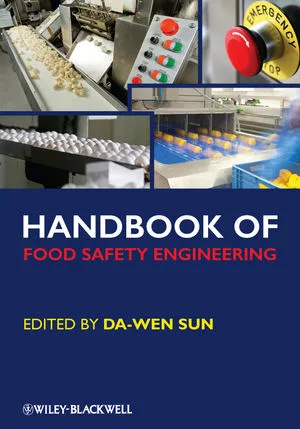
    Handbook of Food Safety Engineering

  • 1119160553.jpg

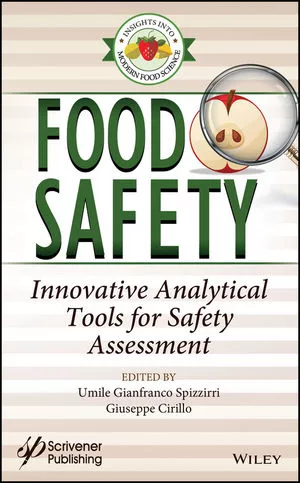
    Food Safety: Innovative Analytical Tools for Safety Assessment

See More Products

Related Directories

  • Gold Standard Diagnostics

    Gold Standard Diagnostics develops and markets rapid test kits and analyzers for a wide range of food contaminants including: allergens, pathogens, patulin and mycotoxins, glyphosate and pesticides, VDRs, GMOs and more. Get accurate results in minutes on-site with Gold Standard Diagnostics test kits.
  • ETQ, part of Hexagon

    ETQ Reliance is the world’s most flexible, powerful & easy-to-use advanced Quality Management System. Automate & standardize all aspects of quality, from document control, training, CAPA, audits, supply chain & more. Benefit from improved compliance, enhanced reputation, reduced costs, speed to market & visibility into your supply chain.
  • Creative Diagnostics

    Creative Diagnostics is a leading manufacturer and supplier of antibodies, small molecule conjugates and critical assay reagents for the analysis of food, feed, environmental and toxicological samples. Its product portfolio covers a wide range of analytes including mycotoxins, drug residues, pesticides, contaminants, food allergens, food pathogens and vitamins.
×

Never miss the latest news and trends driving the food safety industry

eNewsletter | Website | eMagazine

JOIN TODAY!
  • RESOURCES
    • Advertise
    • Contact Us
    • Directories
    • Store
    • Want More
  • SIGN UP TODAY
    • Create Account
    • eMagazine
    • eNewsletter
    • Customer Service
    • Manage Preferences
  • SERVICES
    • Marketing Services
    • Reprints
    • Market Research
    • List Rental
    • Survey/Respondent Access
  • STAY CONNECTED
    • LinkedIn
    • Facebook
    • Instagram
    • X (Twitter)
  • PRIVACY
    • PRIVACY POLICY
    • TERMS & CONDITIONS
    • DO NOT SELL MY PERSONAL INFORMATION
    • PRIVACY REQUEST
    • ACCESSIBILITY

Copyright ©2025. All Rights Reserved BNP Media.

Design, CMS, Hosting & Web Development :: ePublishing