A letter sent to FDA urges the agency to immediately withdraw its approval of Carbadox, a carcinogenic swine feed additive. FDA’s proposal to withdraw Carbadox approvals has been pending for two years, during which time there has not been an approved method for detecting Carbadox residue in pork.
A new study has demonstrated that antimicrobial peptides derived from Lactobacillus rhamnosus can effectively reduce Salmonella in chickens under industry-relevant conditions. Adoption of the novel intervention could potentially help mitigate the growing public health threat that is antimicrobial resistance (AMR).
This episode of Food Safety Five discusses hoses as reservoirs for biofilms in food processing facilities, the presence of Listeria monocytogenes and Campylobacter on retail beef and chicken, a new Salmonella serovar database, and microplastics release from food contact materials.
Despite increased regulatory efforts, Salmonella outbreaks linked to chicken remain a significant public health threat in the U.S., reaffirms a new study by CDC and USDA-FSIS researchers. The majority of outbreaks involved chicken parts and five serotypes of concern.
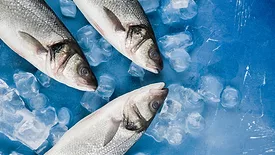
FAO published a report that encourages the application of risk-based tools to ensure the safety of water used in production and processing in fisheries and aquaculture operations.
During an October 29 Senate confirmation hearing, Dr. Mindy Brashears, the presidential nominee for USDA Under Secretary for Food Safety, has provided insight into what her priorities will be if she is confirmed for the position—with Salmonella topping her list, followed by Listeria.
The deadly multistate outbreak of Listeria monocytogenes infections linked to prepared pasta meals involving Nate’s Fine Foods, Freshrealm Inc., and California Ranch Food Company has grown, with seven new illnesses and two additional deaths.
A recent study sought to better understand the ability of Listeria monocytogenes biofilms on stainless steel surfaces to withstand common industry sanitizers, chlorine and PAA, using strains and temperature conditions relevant to the fresh leafy greens supply chain.
The Canadian Food Inspection Agency (CFIA) has enacted regulatory amendments with the goal of reducing red tape regarding labeling, traceability, and imports
for fresh fruit/vegetable producers and the poultry/egg industries—specifically, hatcheries.
The Center for Produce Safety (CPS) has announced six new research projects totaling $1.8 million to address critical food safety challenges in the fresh produce industry.
 RSS
RSS