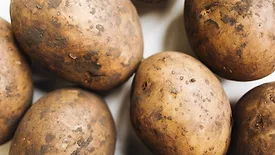
A laboratory study has provided new insights into the efficacy of peroxyacetic acid (PAA) and chlorine dioxide against Escherichia coli, Listeria monocytogenes, and norovirus in wash water during potato processing, and investigated cross-contamination risks in batch washing and water reuse scenarios.
The latest generation of Eagle Product Inspection’s Tall PRO XSDV detection accuracy for contaminants in food products such as glass, metal, stone, or rubber—especially in complex or multi-layered packaging formats.
A new study has demonstrated that antimicrobial peptides derived from Lactobacillus rhamnosus can effectively reduce Salmonella in chickens under industry-relevant conditions. Adoption of the novel intervention could potentially help mitigate the growing public health threat that is antimicrobial resistance (AMR).
The SenseGuard line integrates high-definition imaging with AI analysis to identify a range of physical contaminants in food processing, packaging, bottling, and canning applications.
A recently completed study funded by the Center for Produce Safety (CPS) has provided new insights into Listeria monocytogenes growth, survival, and inactivation on pears during packing and in storage, and characterized microbial communities of yeasts, molds, and lactic acid bacteria.
GEA InsightPartner EvoHDry is a digital condition monitoring tool developed to support operational reliability in facilities producing items like infant formula, cream, evaporated milk, condensed milk, and cheese.
Designed specifically for potato chips, tortilla chips, and similar snack foods, the belt-fed sorting system identifies and removes product defects and foreign material to protect food safety and product quality.
In response to a petition submitted by Cargill, FDA has amended existing regulations to provide for the use of hydrogen peroxide in food production, including meat and poultry, as an antimicrobial agent, oxidizing and reducing agent, and bleaching agent, and to remove sulfur dioxide.
 RSS
RSS