Ecolab’sLisa Robinson, M.S. discusses how food safety leaders can identify early signs of system drift, strengthen preventive controls, and use leading indicators to recognize emerging risks. She also explores the importance of workforce expertise, trustworthy data, root cause analysis, and AI in preventing food safety failures.
The offerings include new and updated food safety courses covering allergen control, sanitation, contamination prevention, food safety standards, and other topics.
WorkForge Shift will include more than 770 ready-to-use courses across 15 subject areas, including food safety, occupational health and safety, and maintenance.
Formal food safety training builds essential knowledge, but informal, on-the-job learning may be key to turning that knowledge into consistent food safety practices.
The 60-slide course on food safety, personal hygiene, and Good Manufacturing Practices basics is designed to help food businesses efficiently meet FSMA training requirements for personnel involved in food production, packaging, and storage.
Taking place October 13–15, 2026 in State College, Pennsylvania, the opportunity is geared toward those developing in-house food safety programs who want to enhance their knowledge of the science and technology of cleaning, sanitizing, and pest control.
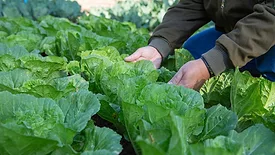
Penn State Extension will offer a series of in-person and virtual training sessions for Pennsylvania fruit and vegetable growers on the Food Safety Modernization Act (FSMA) Produce Safety Rule (PSR), Good Agricultural Practices (GAPs), and the co-management of natural resources and food safety.
The UD College of Agriculture and Natural Resources and UD Cooperative Extension offer Produce Safety Alliance Training at least three times a year, with the next course slated for winter 2026–2027.
Staying in compliance with food laws and avoiding food safety incidents requires more than ticking compliance boxes—it demands a strategic investment in people.
 RSS