The Environmental Working Group’s 2026 Shopper’s Guide to Pesticides in Produce highlights PFAS pesticides for the first time. Although EWG recently updated its methodology, scientists argue it still does not consider key exposure science and risk assessment principles, therefore misleading consumers about the health risks of conventionally grown produce.
Researchers developed a quantitative microbiological risk assessment (QMRA) framework that evaluates the public health, environmental, and economic trade-offs of microbiological sampling plans. They suggested microbiological sampling may be most useful when risk-based or as a verification tool.
Controls based on overly sensitive detection methods and focused on single outcomes may introduce unintended environmental and economic consequences. The researchers advocate for the holistic evaluation of food safety and sustainability risks within a “One Health” framework.
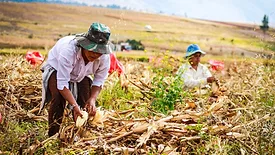
Providing evidence for potential Produce Safety Rule standards, the assessment examined how pathogens survive in untreated biological soil amendments of animal origin (BSAAO) and contaminate produce. FDA found that longer time between BSAAO application and harvest significantly reduces crop contamination.
This episode of Food Safety Five discusses expert perspectives on the Healthy Florida First food contaminant testing program, including information gaps about the testing and risk assessment methodology and why this missing information matters.
With the goal of supporting stronger risk assessments to address emerging food chemical risks, the European Food Safety Authority (EFSA) reviewed existing data sources; data gaps and challenges; and recommendations for improving data availability, quality, and interoperability.
The first reports from the MAHA-aligned Healthy Florida First initiatives raised concern about toxic heavy metals in infant formula and candy, but toxicologists say a lack of transparency around the methodology and risk assessment makes the findings difficult for experts to interpret and raises questions about the relevance to consumer health.
In the wake of a high-profile safety incidents involving powdered infant formula, FAO/WHO have issued a call for experts and data to support JEMRA in conducting a risk assessment that will help the Codex Committee on Food Hygiene update the Codex Alimentarius standards for powdered formula.
With the hope of developing a user-friendly model, a Center for Produce Safety-funded study is investigating factors that influence Escherichia coli contamination risks posed by concentrated animal feeding operations (CAFO) near produce growing fields.
Environmental inhibitors are compounds used in agriculture to reduce greenhouse gas emissions from animals or minimize nitrogen losses in soil. A new FAO report highlights the need for a harmonized approach to risk assessment of these compounds and suggests a potential framework.