In this episode of Food Safety Matters, we are joined by Dr. Kathy Knutson, an author, food safety consultant, and educator for the cannabisindustry. She discusses packaging, good manufacturing practices, training, and other considerations for ensuring the safety of cannabis-infused edibles and beverages, as well as the complicated patchwork of state regulations for cannabisand the potential for future federal regulation. We also hear from Dr. Hal King, the Editor of Food Safety Leadership in the Business of Food Safety, a new digital book published by Food Safety Magazine that serves as a resource for the retail foodservice industry. The book defines and models food safety business leadership from the perspective of top food safety business leaders at best-in-class retail foodservice operations.
Nut product innovation is an exciting space, with companies working on creative new solutions and ingredients, which can play a key role in creating a safer food supply. A majority of Peanut and Tree Nut Processors Association (PTNPA) member companies regularly and proactively educate financial, maintenance, and inventory teams on what it means to operate in a culture of food safety.
The Center for Food Integrity 2023 Transparency Summit will take place November 14–15 at the Loews Chicago O’Hare Hotel. Experts will discuss transparency opportunities and challenges across the food supply chain.
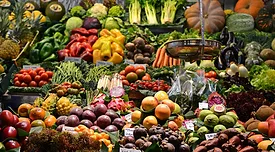
The Spanish Agency for Food Safety and Nutrition (AESAN) has compiled a report that determines which fruits and vegetables are most at risk of spoilage when sold in bulk and the associated food safety risks.
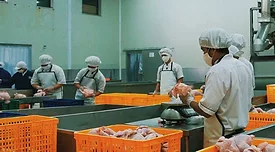
It is up to each and every food processor, handler, and warehouser to develop, document, and implement a policy regarding photography of their operations. This is a much greater challenge today compared to 20 years ago because nearly every cellphone has a high-quality camera with the ability to capture both pictures and video. Operations that are regulated by FDA must also factor the agency into their camera policy.
How would work be different if, instead of focusing on the challenges of working in silos, we built stronger leaders to effectively navigate crowd-sourcing opportunities?
In this episode of Food Safety Matters, we are joined by Darin Detwiler, LP.D., M.A.Ed., who is a food safety academic, advisor, advocate, and author with a 30-year history of working to control foodborne illness. Dr. Detwiler discusses the U.S. food safety system as portrayed in the 2023 Netflix documentary Poisoned, in which he is prominently featured. Additionally, Bob Ferguson discusses his latest Food Safety Insights column on food processors’ post-pandemic priorities and challenges.
Food safety culture is about people. Food companies that do this well empower all employees across the entire business to take appropriate action to ensure that the final product is safe. The ultimate goal is to ensure that all employees do the right things all the time—even when no one is looking.
For National Food Safety Education Month 2023, organizations, academia, and regulatory agencies are offering free resources, training, and educational content about food safety.
 RSS
RSS





.webp?height=168&t=1691503719&width=275 "FoodSafetyMattersFinal-900x550-(002).jpg")