To help the food industry, regulators, and consumers to better understand what’s required under new menu labeling rules, the U.S. Food and Drug Administration (FDA) has shared a new online education module.
Earlier this week, the U.S. Food and Drug Administration (FDA) updated its original advisory, saying that retail and restaurant shipments of romaine lettuce could resume, according to the Calfornia Leafy Greens Marketing Agreement.
Yesterday, the U.S. Food and Drug Administration (FDA) released two statements updating the public about the most recent Escherichia coli O157:H7 outbreak linked to romaine lettuce. Here’s what we now know from those statements.
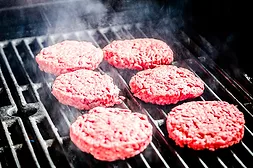
Swift Beef Company has recalled over 99,000 pounds (49 tons) of raw ground beef products due to possible Escherichia coli O157:H7 contamination, says the U.S. Department of Agriculture Food Safety and Inspection Service (USDA FSIS).
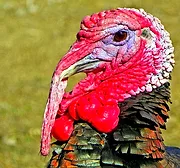
The popular brand Jennie-O is recalling over 91,000 pounds (46 tons) of raw ground turkey products because it may be connected to an ongoing multistate Salmonella outbreak.
NETZSCH Pumps North America and its German headquarters NETZSCH Pumps & Systems haS announced that the company’s NEMO® progressing cavity pumps are ideal for dairy applications.
 RSS
RSS