Effective July 1, the amended Regulation (EU) 2073/2005 on the microbiological criteria for foods expands the requirements for food business operators regarding Listeria monocytogenes in ready-to-eat (RTE) foods.
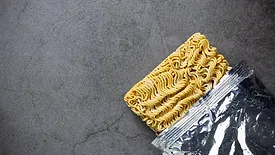
At least 106 people have been infected by the outbreak strain in 13 European countries. Young people are disproportionately affected. Some sickened children reported eating the noodles and seasoning dry, without adding boiling water as instructed on the package.
The Center for Produce Safety (CPS)-funded study also found that some produce items may naturally inhibit Listeria monocytogenes growth and that peracetic acid may sometimes promote Listeria growth during storage.
Starting July 1, companies selling packaged foods in California must include food safety and quality dates using specific terminology. “Sell By” and other expiration date terms not specified in AB 660 are prohibited.
After losing more than 4,000 employees since the Trump Administration took office, FDA is in the process of hiring and re-hiring thousands. The agency is also close to choosing its next Commissioner and has selected a new Director of Produce Safety in the Human Foods Program’s Office of Microbiological Food Safety.
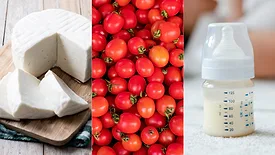
The Alert and Cooperation Network (ACN), which enables EU Member States to exchange information and coordinate responses to food safety incidents, processed a record 10,490 notifications. Notable incidents included a Listeria outbreak linked to French cheese, Salmonella in Italian tomatoes, and cereulide in infant formula.
The Trump Administration’s Department of Justice “does not believe in regulation by prosecution,” a spokesperson told the Wall Street Journal, aligning with a May 2025 Executive Order that “strongly discourages” criminal prosecution of any regulatory offense not explicitly identified by the Administration.
Researchers from Purdue University conducted focus groups with Indiana produce growers who qualified for exemptions from the Food Safety Modernization Act Produce Safety Rule, examining the beliefs and practical constraints that shape on-farm food safety practices.
The guidance agenda lists topics that the program is considering for possible guidance documents or revisions to existing guidance documents, spanning Food Chemical Safety, Dietary Supplements, and Innovation; Microbiological Food Safety; and Nutrition.
 RSS
RSS