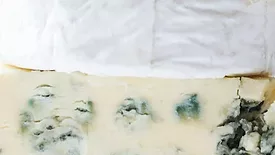
Researchers from Pusan National University in Busan, South Korea have developed a polydiacetylene-based sensor that offers rapid visual detection of biogenic amines released from spoiled food, indicating when products have gone bad.
To leverage scientific knowledge for action on food allergens, Scientific Advice Program teams from the Food and Agriculture Organization of the United Nations (FAO) and World Health Organization (WHO) collaborated with the CodexAlimentarius Committee on Food Labelling (CCFL) to host a webinar discussing the outcomes of food allergen expert consultations.
Approximately 46 percent of honey imported to the EU is adulterated, according to the European Food Safety Authority (EFSA). These findings are the result of an EU-coordinated action, titled, “From the Hives.”
The UK Food Standards Agency (FSA) recently conducted an analysis of hazards associated with cultured meat products (also known as “cell-based” or “cultivated” meat) and identified several risk areas while acknowledging that there are still existing knowledge and data gaps.
The University of Vermont Extension’s Northeast Center to Advance food Safety (UVM’s NECAFS) has released a series of factsheets on produce safety in hydroponic and aquaponic operations for educators, regulators, and producers. The new factsheets guide readers through produce safety considerations specific to hydroponic and aquaponic operations.
The level of consumer exposure to genotoxic and carcinogenic nitrosamines in foods raise a public health concern, according to the European Food Safety Authority (EFSA).
Replacement per- and polyfluoroalkyl substances (PFAS) heralded as “safe” for use in food packaging may actually break down into toxic PFAS that leach into foods and the environment, suggests a study for the first time.
In a letter distributed by the U.S. Food and Drug Administration’s Center for Food Safety and Applied Nutrition (FDA’s CFSAN) to FDA staff, CFSAN Director Susan T. Mayne, Ph.D. announced that she will be stepping down from her position on May 31, 2023.
On March 8, 2023, the U.S. Food and Drug Administration (FDA) released an Immediate National Strategy to Increase the Resiliency of the U.S. Infant Formula Market. On the same day, the agency’s response to the recent infant formula safety and supply crisis was called into question during a hearing with the U.S. House of Representatives Subcommittee on Health Care and Financial Services Hearing.
The European Food Safety Authority has announced an open call for data regarding food additive occurrence in food and beverages intended for human consumption.
 RSS
RSS