In this episode of Food Safety Matters, we are joined by Natalie Dyenson, M.P.H., Chief Food Safety and Regulatory Officer for the International Fresh Produce Association (IFPA), about her role at IFPA, the Association’s key priorities for produce food safety, and its global advocacy work along the fresh produce supply chain.
USDA’s Pesticide Data Program Annual Summary for 2022 shows that more than 99 percent of products sampled through PDP had residues below tolerances set by EPA. However, testing for persistent environmental contaminants that are no longer used as pesticides in the U.S. showed the presence of certain banned chemicals in some foods.
A proposed strategy from the U.S. Environmental Protection Agency (EPA) aims to improve the agency’s screening process for the harmful effects that pesticides and agricultural chemicals may have on the human endocrine system, starting with immediately requiring additional data to be submitted by the manufacturers of certain high-priority chemicals.
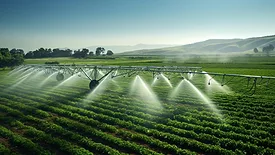
The International Fresh Produce Association (IFPA) has published an industry guidance to help stakeholders comply with the U.S. Food and Drug Administration (FDA’s) Food Safety Modernization Act (FSMA) Produce Safety Rule (PSR), Subpart E requirements for agricultural water.
A recent report from the Food and Agriculture Organization of the United Nations (FAO) and three other global organizations has laid out priority research areas for mitigating the rise of antimicrobial resistance (AMR) at the interface between the agrifood, healthcare, and environmental sectors.
In an effort to address the growing public health threat of antimicrobial resistance (AMR), the Food and Agriculture Organization (FAO) is seeking data and information on alternative and advanced feed practices in animal agriculture to promote the responsible use of antimicrobials.
In celebration of Black History Month, this bonus episode of Food Safety Matters features a discussion between Food Safety Magazine Publisher Stacy Atchison, Tuskegee University professor and researcher Dr. Norma Dawkins, and President and CEO of International Product Safety Consultants Larry Keener, about the life and legacy of agricultural scientist, inventor, and humanitarian George Washington Carver.
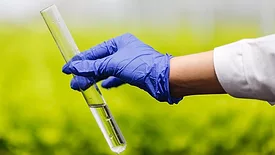
Researchers at the University of Georgia’s College of Agricultural and Environmental Sciences are researching a sunlight-based method for controlling microbial contaminants—specifically, Salmonella and Escherichia coli—in irrigation water used for food crops. After enough research is conducted, the UGA team hopes to create an app that will help growers enhance food safety.
Two reports by the National Advisory Committee on Microbiological Criteria for Foods (NACMCF) have advised the U.S. Food and Drug Administration (FDA) and the U.S. Department of Agriculture’s Food Safety and Inspection Service (USDA’s FSIS) on microbial testing of ready-to-eat (RTE) foods and the safety of recycled water in food production, respectively.
As the intended enforcement discretion period for the Food Safety Modernization Act (FSMA) Agricultural Water Proposed Rule will come to an end on January 26, 2022, the U.S. Food and Drug Administration (FDA) has released a fact sheet to help prepare growers.