
Articles Tagged with ''sanitation best practices''

Processing Tech
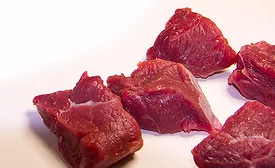
Improved sanitation and design on slicers, dicers and cutters
A cleaner cut: Improved sanitation and design is creating the slicers, dicers and cutters of the future.
Read More




Supplier's Perspective
Food processing plant sanitation: Counting on shift zero preparation
Read More

2017 Food Safety Report
Designed to shine?: Sanitary design and construction
Facilities and equipment should be built or bought with sanitation and food safety at the top of the priority list.
Read More