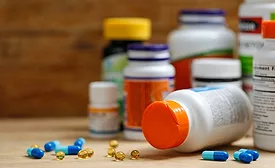
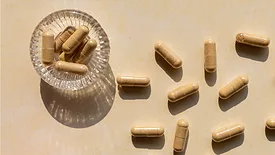
FDA has shared concern about the growing number of edible products containing kratom available for sale online and at retailers like gas stations and smoke shops across the U.S. It has issued warning letters to seven companies for illegally marketing gummies, drinks, and tablets containing the kratom-derived concentrate 7-OH, a “novel, potent opioid.”
Report looks at concerns surrounding labeling, adulteration, drug interactions, overdose and toxicity, and it also examines regulatory frameworks across various countries and regions.
Combining multiplex PCR and DNA barcoding, Chapman University researchers successfully detected fraudulent adulteration in half of ginseng supplement samples tested. With 28 percent of samples still unable to be identified, the researchers call for future studies combining DNA- and chemical-based testing methods.
After a man died from miscalculating the amount of caffeine powder he was meant to consume, the UK Food Standards Agency (FSA) and Food Standards Scotland (FSS) have issued a guidance to promote the safe manufacturing of food supplements containing high levels of caffeine.
The Food Safety Authority of Ireland (FSAI) has developed a guidance document to help food supplement producers and food businesses assess the safety of probiotics used in their products.
The EU Heads of Food Safety Agencies (HoA) recently published a list of 117 substances that should be prohibited or restricted in food supplements to protect public health.
The European Food Safety Authority (EFSA) has set new safe daily intake levels for iron, which can help inform risk managers involved in the production of iron supplements and iron-fortified food products.
The Global Retailer and Manufacturer Alliance (GRMA) Inc. Certification Program Version 1.2 has received recognition against the Forum’s Global Food Safety Initiative (GFSI) Benchmarking Requirements.