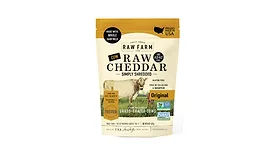
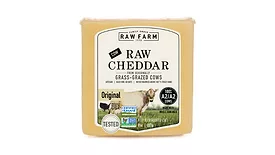
The company says the recall is being issued “under protest” and “as a path forward,” while continuing to contest the epidemiological evidence provided by FDA.
Nearly all of the ill people interviewed reported consuming Raw Farm-brand raw dairy products. Testing and an onsite inspection of Raw Farm’s operation in California is ongoing. Raw Farm LLC has yet to issue a recall.
“If mandatory authority needs to be strengthened, the Food Safety Caucus stands ready to tackle this issue at FDA’s request,” wrote Congress members in a statement about the ongoing E. coli outbreak involving Raw Farm raw cheese products. Raw Farm has so far refused to recall.
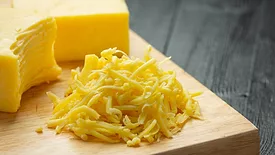
A total of seven patients—four of whom are three years of age or younger—have been sickened in three states. Epidemiologic evidence indicates that RAW FARM-brand unpasteurized cheddar cheese products are the likely vehicle of illness, but product testing is ongoing.
The platform uses a DNAzyme-crosslinked hydrogel that produces a visible color change when E. coli is present, enabling equipment-free, point-of-use detection. It successfully detected E. coli in a range of foods, even when other pathogens were present.
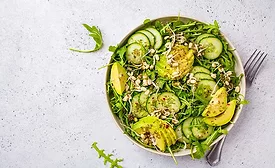
This article examines the frequent contamination of fresh produce (e.g., cucumber and sprouts due to recent outbreaks linked to these foods) with Salmonella and Shiga toxin-producing Escherichia coli.
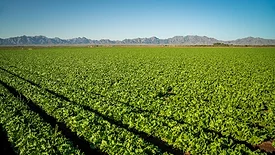
The California Longitudinal Study, a five-year environmental study of California’s Central Coast produce-growing region, identified wildlife, livestock, and surface water as potential contributors to the persistence and movement of Shiga toxin-producing Escherichia coli (STEC).
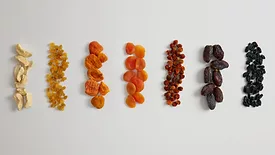
The STEC O26:H11 outbreak sickened 40 people and resulted in 19 cases of hemolytic uremic syndrome (HUS) in children. Dried fruit was the probable vehicle of illness. Researchers underlined the importance of a weight-of-evidence approach in the outbreak investigation.
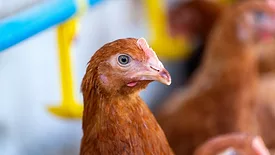
A high proportion of Campylobacter and Salmonella from food-producing animals across Europe are resistant to antimicrobials that are important to human medicine. Escherichia coli resistance to last-resort carbapenems is growing.
With the hope of developing a user-friendly model, a Center for Produce Safety-funded study is investigating factors that influence Escherichia coli contamination risks posed by concentrated animal feeding operations (CAFO) near produce growing fields.