The top ten food safety research projects that excited Food Safety Magazine’s audience the most in 2025 covered Listeria monocytogenes (especially related to biofilms), microplastics, Escherichia coli, antimicrobial resistance (AMR), avian influenza in dairy, microbial threats in irrigation water, and food allergens.
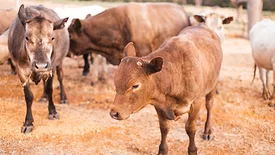
University of Georgia researchers conducted a review to compile and communicate best practices for reducing the spread of foodborne pathogens among beef cattle herds prior to processing, with a focus on Shiga toxin-producing Escherichia coli.
According to the newly published European Union One Health 2024 Zoonoses Report, the number of foodborne illnesses and outbreaks reported in the EU are on an upward trend. Notably, listeriosis cases with severe outcomes have risen.
An ongoing outbreak of foodborne enterohemorrhagic Escherichia coli (EHEC) O45:H2 infections is sweeping Germany. More than 400 confirmed and possible cases have been reported, with three associated deaths. The vehicle of illness is likely foodborne, but has not yet been identified.
A UK-based study, led by Quadram Institute researchers, underscores the limitations of traditional enumeration methods for foodborne pathogen surveillance and highlights the need for whole genome sequencing (WGS) to better assess the food safety risk posed by commensal or opportunistic Escherichia coli lineages.
A German outbreak of enterohemorrhagic Escherichia coli (EHEC) O45:H2 infections has caused 183 confirmed cases of illness (351 including probable and possible cases), 48 cases of HUS, and three deaths (two confirmed one probable). Contaminated meat or sausage products are the likely vehicle of illness, but plant-based foods have not yet been ruled out.
An ongoing Center for Produce Safety-funded study is investigating the factors contributing to the persistence of a reoccurring, emerging, and persisting (REP) Escherichia coli O157:H7 subtype associated with leafy greens foodborne illness outbreaks, with the goal of developing a risk assessment tool for growers.
A new Southern California-based study found that food safety may play a role in UTIs. Genomic analysis of Escherichia coli isolates from UTI patients and retail meats linked 18 percent of UTIs to E. coli strains of animal origin, suggesting foodborne transmission.
Although this severe Escherichia coli strain is already prevalent in countries with less robust food safety and sanitation systems, as climate change becomes more extreme and cuts are made to food safety monitoring and infrastructures, it is becoming a growing threat to developed countries as well, researchers warn.
In August, an outbreak of Shiga toxin-producing Escherichia coli O:157 (STEC) infections at Belgian long-term care facilities sickened more than 70 people, resulting in nine deaths. Raw ground beef is the probable vehicle of illness.