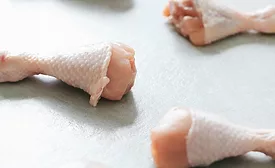
A key component of the project was a field and laboratory study conducted to assess the presence and potential transmission of AMR Campylobacter and Escherichia coli during the processing of chicken in two similar-sized, large-scale UK chicken processing sites.
Among recommended measures are setting national targets to curtail antibiotic use and implementing surveillance systems that show how antibiotics are actually used on U.S. farms and feedlots.
The European Food Safety Authority (EFSA) has alerted the public that pathogens resistant to last-resort carbapenem antibiotics are increasingly being found in European food animals and food products.
A recent study of Pseudomonas spoilage microorganisms isolated from dairy products in Spain identified the presence of highly biofilm-forming, antimicrobial-resistant (AMR) strains, presenting challenges for dairy industry control strategies, and posing the risk of transfer of AMR genes to pathogenic foodborne bacteria.
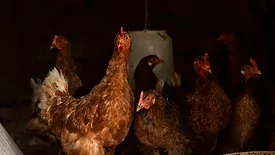
A study from Public Health Agency of Canada researchers raised concerns about the persistence of Salmonella and Campylobacter in broiler chickens that are resistant to important Category I antimicrobials.
A Boston University study has shown that Escherichia coli exposed to microplastics form strong biofilms and develop increased levels of antimicrobial resistance (AMR) and multi-drug resistance.
A joint report from the European Food Safety Authority (EFSA) and the European Center for Disease Control and Prevention (ECDC) shows that resistance to key antibiotics among important foodborne pathogens is persistently high in both humans and animals.
A study of antimicrobial resistance (AMR) data for four important foodborne pathogens isolated from U.S. chicken and turkey revealed trends over time and by region that suggest the potential influence of local agricultural practices on AMR patterns and pathogen distribution.
The U.S. Poultry and Egg Association’s latest Antibiotic Stewardship report showed significant decreases in antibiotic use for broiler chickens and turkeys between 2013 and 2023, with the proportion of broiler chickens receiving antibiotics in hatcheries dropping from 90 percent to less than 1 percent.
In a recent independent report evaluating popular restaurant chains’ policies on antibiotics in meat, many chains received a failing grade, while only one received an A+.