FAO published a report that encourages the application of risk-based tools to ensure the safety of water used in production and processing in fisheries and aquaculture operations.
Despite growing enthusiasm about and application of artificial intelligence (AI) for food safety management and regulatory oversight, the report underscores persistent challenges, the need for robust governance, and other factors to consider for responsible adoption.
The FAO UK Reference Center for AMR has partnered with the Philippines to strengthen national laboratory capacity and harmonize antimicrobial susceptibility testing methods, involving representatives across the food and agriculture sectors.
The FAO-led Regional Food Safety Research and Innovation Network (RFSRIN) was officially launched this October to improve food safety across the Near East and North Africa. Recent efforts by RFSRIN include a report mapping the region’s food safety challenges and opportunities.
On October 14, as part of the FAO Science and Innovation Forum, FAO will hold a webinar on the role of artificial intelligence (AI) in enhancing food safety management. Registration for online participation in the event is now open.
A Latin American–Caribbean consortium, aided by FAO, is working toward establishing Codex Alimentarius-aligned maximum residue limits (MRLs) for regionally important veterinary drug residues, advancing food safety.
Hosted in Riyadh, Saudia Arabia by the Saudi Food and Drug Administration (SFDA) and FAO, the Hack4SaferPlates Hackathon aimed to foster sustainable, tech-driven solutions to food safety challenges across the Near East and North Africa.
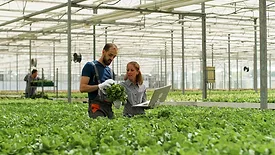
A new FAO report offers the first comprehensive global review of the food safety hazards, controls, and regulatory considerations associated with modern indoor farming/controlled environment agriculture (CEA).
During a technical meeting convened by IAEA, FAO, and WHO, experts emphasized the need for a joint response to the interconnected issues of food safety and nutrition. The use of nuclear techniques to enhance food safety and nutrition was also explored.