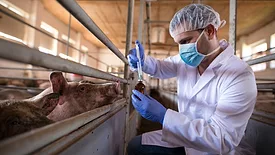
The 28th session of the Codex Committee on Residues of Veterinary Drugs in Foods made advances related to maximum residue limits (MRLs), extrapolation approaches, and risk management guidance, with several measures forwarded to the Codex Alimentarius Commission for adoption.
A JEMRA meeting was convened to help inform discussions about potential updates to Codex Alimentarius guidance, reflecting how scientific advances could strengthen microbiological risk assessments for food safety.
The information gathered will be used to support FAO/WHO scientific advice intended to inform future Codex Alimentarius discussions on frozen food handling guidance.
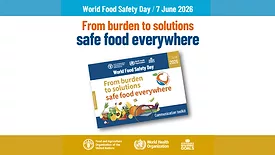
The theme, “From Burden to Solutions—Safe Food Everywhere,” stresses the role of evidence-based action, promoting the forthcoming updated WHO global foodborne disease estimates as a data source to inform targeted food safety and public health interventions.
The three-year partnership will focus on driving food safety, sustainability, and resiliency, aligned with One Health principles, by leveraging advanced technological tools and science.
The paper reviews international frameworks and national and regional regulations. FAO recommends priority actions for national and regional authorities.
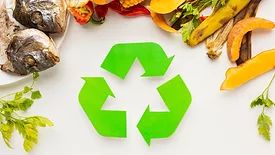
A new review by FAO researchers identifies how food loss and waste (FLW) can disseminate antibiotic resistance (AMR), as well as practices that can either mitigate or exacerbate AMR dissemination from FLW.
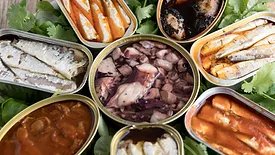
Food fraud in the seafood sector is a growing and complex issue with serious health consequences, requiring a coordinated effort involving strict enforcement, advanced analytical tools, stakeholder collaboration, and public education.
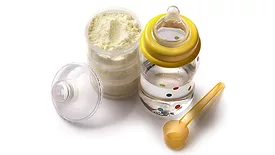
In the wake of a high-profile safety incidents involving powdered infant formula, FAO/WHO have issued a call for experts and data to support JEMRA in conducting a risk assessment that will help the Codex Committee on Food Hygiene update the Codex Alimentarius standards for powdered formula.
The FAO/WHO Joint Expert Meeting on Microbiological Risk Assessment (JEMRA) has published a report on prevention and intervention measures for foodborne virus–commodity pairs of concern.