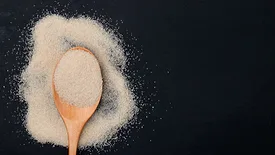
JEMRA convened in June to review the latest scientific evidence on microbiological hazards that have recently been associated with public health events due to the contamination of powdered infant formula or its ingredients.
The 102nd meeting of the Joint FAO/WHO Expert Committee on Food Additives (JECFA) took place in June 2026 in Nanjing, China. Key outcomes included the establishment of new, temporary acceptable daily intakes (ADIs) for two substances.
The plan establishes the Codex Alimentarius Commission’s priorities for the next six years to strengthen the development of international food safety and quality standards while considering evolving and emerging global challenges.
Overuse or misuse of antimicrobials and improper disposal of antimicrobials in the agri-food system may result in food and environmental contamination and contribute to the global rise of AMR.
Following the release of WHO’s new foodborne disease burden estimates and relating to the 2026 World Food Safety Day theme, “From Burden to Solutions—Safe Food Everywhere,” FAO and WHO are highlighting how Codex Alimentarius standards and related work help prevent foodborne disease.
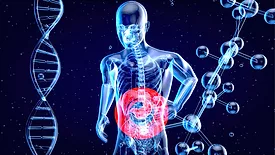
The review summarized current knowledge about the potential contribution of foodborne bacteria and antibiotic resistance genes to the human gut resistome, suggesting the integration of gut microbiome and AMR data into risk assessment frameworks.
Ahead of World Food Safety Day, FAO and WHO have introduced a Food Safety Roadmap Development Tool and an online learning course on Codex-aligned risk assessments, supporting competent authorities and other stakeholders seeking to utilize science and data to improve national food safety systems.
FAO, WHO, and the Codex Coordinating Committees for Africa and the Near East led a training with more than 350 participants from the Africa, Near East, and Eastern Mediterranean regions, focused on participation in Codex standard-setting work.
Chemical migration and microplastics shedding from recycled plastic food contact materials pose potential food safety concerns. Biopolymer risks are also not yet fully understood. The Codex Alimentarius Commission is considering developing guidance on recycled materials used in food packaging.
Associated with freshwater fish consumption and handling, GBS ST283 causes invasive infections, including meningitis, septic arthritis, and bacteremia. WGS has played a central role in recognizing the pathogen as a foodborne hazard. FAO has identified GBS ST283 as a hazard requiring structured risk profiling.