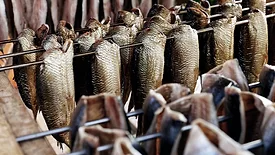
The label claim “STABILIZED” would indicate that a ready-to-eat (RTE) product had been formulated or processed to inhibit Listeria monocytogenes growth. The researchers advocate for formulation and process changes as listeriosis rates climb in Europe and stricter EU Listeria regulations come into effect.
The Danish Annual Report on Zoonoses summarizes trends in foodborne disease, zoonotic pathogens, and surveillance activities across humans, animals, food, and the environment.
The Technical University of Denmark (DTU) National Food Institute is home to the new WHO Collaborating Center for Risk and Benefits of Foods and Diets.
Denmark has banned 23 pesticides containing six active ingredients known to break down into trifluoroacetic acid (TFA), a toxic per- and polyfluoroalkyl substance (PFAS) that easily contaminates water and has been found in food products.
Designated by the European Commission, Denmark and Sweden have formed a public health consortium to jointly establish an EU reference laboratory or antimicrobial resistance (AMR), which will contribute to diagnostics and infection preparedness.
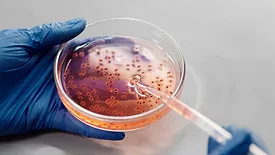
A recent study assessed the presence and persistence of Listeria monocytogenes in Danish ready-to-eat (RTE) food production environments to evaluate the efficacy of a Listeria awareness campaign. Whole genome sequencing (WGS) analysis was also performed to characterize the isolates.
Danish consumers, especially children, are at risk of significant exposure to per- and polyfluoroalkyl substances (PFAS) from eggs, according to research conducted by the DTU National Food Institute and the Danish Veterinary and Food Administration.
An evaluation of kitchen staff in Denmark, conducted by the Danish Veterinary and Food Administration, found that there is room for improvement in staff norovirus education and training.