Food Safety
search
Ask Food Safety AI
cart
facebook twitter linkedin instagram youtube
  • Sign In
  • Create Account
  • Sign Out
  • My Account
Food Safety
  • NEWS
    • Latest News
    • White Papers
  • PRODUCTS
  • TOPICS
    • Contamination Control
    • Food Types
    • Management
    • Process Control
    • Regulatory
    • Sanitation
    • Supply Chain
    • Testing and Analysis
  • PODCAST
  • EXCLUSIVES
    • Food Safety Five Newsreel
    • eBooks
    • FSM Distinguished Service Award
    • Interactive Product Spotlights
    • Videos
  • BUYER'S GUIDE
  • MORE
    • NEWSLETTERS >
      • Archive Issues
      • Subscribe to eNews
    • Store
    • Sponsor Insights
    • ASK FSM AI
  • WEBINARS
  • FOOD SAFETY SUMMIT
  • EMAG
    • eMagazine
    • Archive Issues
    • Editorial Advisory Board
    • Contact
    • Advertise
  • SIGN UP!
NewsFood TypeManagementRegulatoryRecall/Crisis ManagementMeat/PoultryUSDA

Undeclared Allergens Top List of Reasons for USDA-FSIS Recalls, Public Health Alerts in 2023
By Bailee Henderson
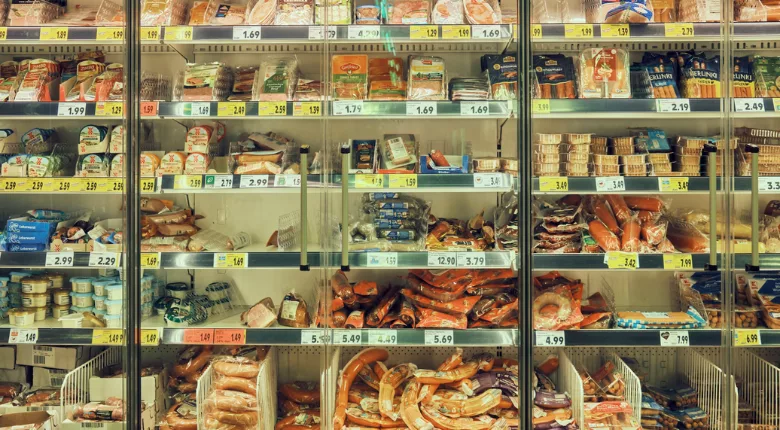
cooler at a retail store full of assorted packaged meats

Image credit: Alan Alves via Unsplash

February 29, 2024

The U.S. Department of Agriculture’s Food Safety and Inspection Service (USDA’s FSIS) has published data on recalls and public health advisories (PHAs) issued in the case of a food safety incident involving FSIS-regulated products during calendar year 2023.

According to USDA, a food recall, which is a voluntary action by a manufacturer or distributor to protect consumers from products that may cause harm to public health, is intended to remove food products from commerce when they are adulterated or misbranded under the provisions of the Federal Meat Inspection Act or the Poultry Products Inspection Act. In cases where a recall cannot be recommended, FSIS issues PHAs to inform the public about potential health risks. For example, PHAs could be issued when a foodborne illness outbreak has been identified but is unsolved, or to remind constituents about best food safety practices.

In 2023, FSIS issued 65 recalls, totaling 4,005,384 pounds of food. Class I recalls—those which pose the most urgent threat to public health—represented 58 of the 65 total recalls (89 percent). The remaining seven recalls were Class II, and there were no Class III recalls. The most common reason for recalls was import violation (24.6 percent), followed by undeclared allergen (23.1 percent), produced without inspection (15.4 percent), extraneous material (15.4 percent), Shiga toxin-producing Escherichia coli (STEC, 7.7 percent), Listeria monocytogenes (7.7 percent), processing deviations (4.6 percent), and mislabeling (1.5 percent). Swine, beef, mixed meat, and chicken were the most implicated species, involved in 18, 16, 15, and 12 recalls, respectively. Goat, sheep/lamb, siluriformes, and turkey were the cause of one recall each.

Regarding PHAs, FSIS issued 24, over half of which (14) were due to undeclared allergen. Extraneous material, L. monocytogenes, and processing deviations were the impetus for two PHAs each, while insanitary conditions, mislabeling, Pseudomonas, and produced without the benefit of inspection caused one PHA each. The species behind the PHAs were meat only (seven PHAs), mixed (six), poultry only (four), beef (two), chicken (two), swine (two), and siluriformes pangasiidae catfish (one).

Looking for quick answers on food safety topics?
Try Ask FSM, our new smart AI search tool.
Ask FSM →


KEYWORDS: recalls report USDA-FSIS

Share This Story

Baileehendersonmay23

Bailee Henderson is the Digital Editor of Food Safety Magazine, where she covers industry-relevant current events, regulatory affairs, and scientific developments. She also produces the Food Safety Five Newsreel. Notably, Bailee's coverage for Food Safety Magazine has been featured in national televised news segments including CBS Sunday Morning and MSNBC's Rachel Maddow Show. She can be reached at hendersonb@bnpmedia.com.

Recommended Content

JOIN TODAY
to unlock your recommendations.

Already have an account? Sign In

  • people holding baby chicks

    Serovar Differences Matter: Utility of Deep Serotyping in Broiler Production and Processing

    This article discusses the significance of Salmonella in...
    Microbiological Control
    By: Nikki Shariat Ph.D.
  • woman washing hands

    Building a Culture of Hygiene in the Food Processing Plant

    Everyone entering a food processing facility needs to...
    Facilities
    By: Richard F. Stier, M.S.
  • graphical representation of earth over dirt

    Climate Change and Emerging Risks to Food Safety: Building Climate Resilience

    This article examines the multifaceted threats to food...
    International
    By: Maria Cristina Tirado Ph.D., D.V.M. and Shamini Albert Raj M.A.
Manage My Account
  • eMagazine Subscription
  • Subscribe to Newsletters
  • Manage My Preferences
  • Website Registration
  • Subscription Customer Service

More Videos

Sponsored Content

Sponsored Content is a special paid section where industry companies provide high quality, objective, non-commercial content around topics of interest to the Food Safety Magazine audience. All Sponsored Content is supplied by the advertising company and any opinions expressed in this article are those of the author and not necessarily reflect the views of Food Safety Magazine or its parent company, BNP Media. Interested in participating in our Sponsored Content section? Contact your local rep!

close
  • the use of dual-energy X-ray food inspection technology to identify foreign contaminants.
    Sponsored byEagle by METTLER TOLEDO

    Precision Inspection Starts with the Right X-ray Detector

  • This image depicts a worker cleaning stainless steel machinery in a food processing plant
    Sponsored byCintas

    Employee Uniforms: A Frontline Defense Against Food Contamination

  • This image depicts a healthcare professional managing a large volume of paperwork and transitioning to a digital workflow.
    Sponsored bySafetyChain

    The Invisible Plant Tax Starts with Your Records

Popular Stories

packages of beef at retail

Scientists Tackle Food Waste with More Accurate ‘Sell By’ Dates Based on Meat Microbial Activity

scientists using molecular model

Updated EU Food Chemical Safety Information Database Now Available

close-up of woman in suit writing on clipboard

FDA Launches One-Day Inspectional Assessments


Events

May 11, 2026

The Food Safety Summit

Stay informed on the latest food safety trends, innovations, emerging challenges, and expert analysis. Leave the Summit with actionable insights ready to drive measurable improvements in your organization. Do not miss this opportunity to learn from experts about contamination control, food safety culture, regulations, sanitation, supply chain traceability, and so much more.

May 13, 2026

The Foreign Material Maturity Model—Tips from the Trenches

Live Streaming from Food Safety Summit: See how leading protein companies use the Foreign Material Maturity Model to reduce risk, close gaps, and strengthen prevention programs with real-world, actionable insights.

May 14, 2026

FSMA at 15: Where Are We Now?

Live Streaming from Food Safety Summit: This session will explore how FSMA has shaped today’s food safety landscape—and what’s next.

View All

Products

Global Food Safety Microbial Interventions and Molecular Advancements

Global Food Safety Microbial Interventions and Molecular Advancements

See More Products

Related Articles

  • raw chicken parts

    USDA Opens Registration for Public Meeting on New Strategy for Reducing Salmonella in Poultry

    See More
  • plate of buffalo chicken wings

    Support for USDA-FSIS’ Withdrawn Regulatory Framework for Salmonella in Poultry Voiced at Meeting

    See More
  • fried chicken drumsticks on a plate

    USDA-FSIS Describes Vision for Science-Based Approach to Reducing Salmonella in Poultry

    See More

Related Products

See More Products
  • 9781138070912.jpg

    Trends in Food Safety and Protection

  • 1119160553.jpg

    Food Safety: Innovative Analytical Tools for Safety Assessment

  • 1118396308.jpg

    High Throughput Analysis for Food Safety

See More Products

Related Directories

  • Instant Recall LLC

    Instant Recall automates best practice workflows, data analysis and regulatory reporting for mock recalls, product holds, withdrawals, and recalls for the food industry. Learn why the food industry consistently chooses us as the shared solution for food recall preparedness, recall communications execution, and cost recovery!
  • Food Safety News

    Food Safety News advances public health by delivering timely, accurate, and comprehensive coverage of foodborne illness outbreaks, recalls, and regulatory developments that impact the safety of our global food supply.
  • Recall InfoLink Inc.

    Recall InfoLink is a subscription software that makes recall process management easier and more effective. The cloud platform enables companies across the supply chain to easily distribute recall information, track progress in real time, generate reports for compliance needs, and complete modernized mock recall exercises.
×

Never miss the latest news and trends driving the food safety industry

Newsletters | Website | eMagazine

JOIN TODAY!
  • RESOURCES
    • Advertise
    • Contact Us
    • Directories
    • Store
    • Want More
  • SIGN UP TODAY
    • Create Account
    • eMagazine
    • Newsletters
    • Customer Service
    • Manage Preferences
  • SERVICES
    • Marketing Services
    • Reprints
    • Market Research
    • List Rental
    • Survey/Respondent Access
  • STAY CONNECTED
    • LinkedIn
    • Facebook
    • Instagram
    • X (Twitter)
  • PRIVACY
    • PRIVACY POLICY
    • TERMS & CONDITIONS
    • DO NOT SELL MY PERSONAL INFORMATION
    • PRIVACY REQUEST
    • ACCESSIBILITY

Copyright ©2026. All Rights Reserved BNP Media, Inc. and BNP Media II, LLC.

Design, CMS, Hosting & Web Development :: ePublishing