Food Safety
search
Ask Food Safety AI
cart
facebook twitter linkedin
  • Sign In
  • Create Account
  • Sign Out
  • My Account
Food Safety
  • NEWS
    • Latest News
    • White Papers
  • PRODUCTS
  • TOPICS
    • Contamination Control
    • Food Types
    • Management
    • Process Control
    • Regulatory
    • Sanitation
    • Supply Chain
    • Testing and Analysis
  • PODCAST
  • EXCLUSIVES
    • Food Safety Five Newsreel
    • eBooks
    • FSM Distinguished Service Award
    • Interactive Product Spotlights
    • Videos
  • BUYER'S GUIDE
  • MORE
    • ENEWSLETTER >
      • Archive Issues
      • Subscribe to eNews
    • Store
    • Sponsor Insights
    • ASK FSM AI
  • WEBINARS
  • FOOD SAFETY SUMMIT
  • EMAG
    • eMagazine
    • Archive Issues
    • Editorial Advisory Board
    • Contact
    • Advertise
  • SIGN UP!
NewsContamination ControlMicrobiological

Nonpathogenic Listeria Strains Developing Concerning Characteristics, Study Finds
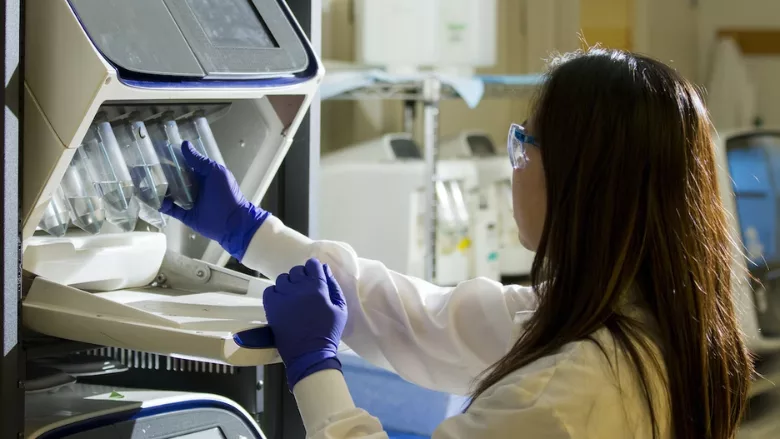
woman conducting WGS

Credit: NCI via Unsplash

January 26, 2023

Using whole genome sequencing (WGS), researchers from the University of Johannesburg have identified a trend of nonpathogenic Listeria strains developing concerning characteristics, such as virulence and stress tolerance. Like the pathogenic L. monocytogenes, the “harmless” strains L. innocua and L. welshimeri are common to food processing facilities.

For the study, the researchers acquired L. innocua and L. welshimeri strains from raw, dried, and processed meats at commercial food processing plants across South Africa. Although the present study was conducted in one country, the authors state that their findings confirm other research demonstrating growing resistance traits in Listeria species around the world.

Specifically, the University of Johannesburg researchers found that L. innocua strains are developing tolerance to temperature, pH, dehydration and other stresses that can be used against the pathogen. Some strains of L. innocua and L. welshimeri displayed genes that indicate resistance to Benzalkonium chloride (BC), a widely used quaternary ammonium compound (QUAT) disinfectant.

Additionally, L. innocua was observed to have hypervirulence traits—the complete LIPI-4 gene sequence—genetically identical to that of L. monocytogenes. The LIPI-4 gene sequence can cause illness in humans.

Two strains of L. innocua have also developed three or more concerning pathogenic characteristics, including immune systems that are adaptive to CRISPR-CAS. CRISPR-CAS systems degrade foreign genetic elements.

The samples and isolates analyzed in the present study were collected from 2014–2019 by the South African Department of Agriculture, Land Reform, and Rural Development (DALRRD). In total, 258 isolates from butcheries, abattoirs, retail outlets, cold stores, and processing South Africa were studied. The isolates came from beef, chicken, and pork meats that were raw and whole, raw and processed, dried, and processed and cooked. Out of all 258 isolates, 38 were found to be nonpathogenic L. Innocua, and another three isolates found to be nonpathogenic L. welshimeri.

According to the researchers, although L. innocua rarely causes human cases of listeriosis, it can sicken those with compromised immune systems. Regardless, the authors of the study express concern over the number of harmful characteristics that the L. innocua strains share with L. monocytogenes. The researchers believe the present research can help predict which sequence types to keep an eye on.

The study’s authors believe industry should begin looking for L. innocua due to its growing resistance to common disinfectants. They also ask industry to consider testing how efficiently BC or QUAT disinfectant are working in their facility, as well as varying the types of disinfectants used to slow resistance.

Looking for quick answers on food safety topics? Try Ask FSM, our new smart AI search tool. Ask FSM →

KEYWORDS: listeria stress tolerance study whole genome sequencing

Share This Story

Recommended Content

JOIN TODAY
to unlock your recommendations.

Already have an account? Sign In

  • people holding baby chicks

    Serovar Differences Matter: Utility of Deep Serotyping in Broiler Production and Processing

    This article discusses the significance of Salmonella in...
    Contamination Control
    By: Nikki Shariat Ph.D.
  • woman washing hands

    Building a Culture of Hygiene in the Food Processing Plant

    Everyone entering a food processing facility needs to...
    Sanitation
    By: Richard F. Stier, M.S.
  • graphical representation of earth over dirt

    Climate Change and Emerging Risks to Food Safety: Building Climate Resilience

    This article examines the multifaceted threats to food...
    Best Practices
    By: Maria Cristina Tirado Ph.D., D.V.M. and Shamini Albert Raj M.A.
Manage My Account
  • eMagazine Subscription
  • Subscribe to eNewsletter
  • Manage My Preferences
  • Website Registration
  • Subscription Customer Service

More Videos

Sponsored Content

Sponsored Content is a special paid section where industry companies provide high quality, objective, non-commercial content around topics of interest to the Food Safety Magazine audience. All Sponsored Content is supplied by the advertising company and any opinions expressed in this article are those of the author and not necessarily reflect the views of Food Safety Magazine or its parent company, BNP Media. Interested in participating in our Sponsored Content section? Contact your local rep!

close
  • Salmonella bacteria
    Sponsored byThermoFisher

    Food Microbiology Testing Methods: Salmonella species

  • a diagram explaining indicator organisms
    Sponsored byHygiena

    How Proactive Listeria Testing Helps Prevent Six- and Seven-Figure Recalls

  • woman grocery shopping
    Sponsored byCorbion

    Designing Safety Into Every Bite: Proactive Risk Mitigation for Refrigerated Foods

Popular Stories

scott&jons scampi

Two More Deaths Reported in Listeria Outbreak Linked to Prepared Pasta Meals

mindy brashears USDA headshot

USDA-FSIS Under Secretary for Food Safety Nominee Reveals Priorities in Senate Hearing

lettuce close up

Study Explores Sanitizer Limitations Against Listeria Biofilms in Leafy Greens Production

Events

November 11, 2025

Feeding the Future: How Lessons From 2025 Will Shape 2026

Live: November 11, 2025 at 10:00 am EST: This webinar will bring together LRQA experts and industry leaders to explore how lessons from 2025 will shape 2026, focusing on building resilient, digitally enabled, and consumer-trusted food systems.

November 18, 2025

Dry Sanitation and Cleaning Techniques for Facilities and Equipment

Live: November 18, 2025 at 12:00 pm EDT: From this webinar, attendees will learn best practices employed by dry/low-moisture food processors for dry sanitation and equipment cleaning.

November 20, 2025

New U.S. Additive Bans: How to Prepare and Protect Your Brand

Live: November 20, 2025 at 11:00 am EST: From this webinar, attendees will learn the impact of ingredient restrictions on product development, sourcing, labeling, and market access.

View All

Products

Global Food Safety Microbial Interventions and Molecular Advancements

Global Food Safety Microbial Interventions and Molecular Advancements

See More Products

Related Articles

  • chocolate bars and cocoa beans

    Study Finds Concerning Levels of Toxic Heavy Metals in Dark Chocolate

    See More
  • cashews and almonds next to jar of milk

    Foodborne Illness-Causing Bacillus Strains Common in Plant-Based Dairy Ingredients, Study Finds

    See More
  • beef for sale

    South Korean Study Finds Listeria Solely on Retail Beef Samples, Not on Farm

    See More

Related Products

See More Products
  • 9781498721776.jpg

    Handbook of Food Processing: Food Safety, Quality, and Manufacturing Processes

  • Food-Forensics-3D.jpg

    Food Forensics Handbook Practice, Instrumentation, Case Studies

  • 9781138070912.jpg

    Trends in Food Safety and Protection

See More Products

Related Directories

  • Electronic Development Labs Inc. (EDL)

    Since 1943, EDL has been known as the leader in temperature measurement and calibration equipment. USA made and still family owned and operated, our total focus is on quality. Our temperature sensors are recognized as the most dependable, accurate and repeatable sensors available. Trust EDL when quality matters.
  • Eurofins

    Our extensive network provides testing for pathogens, spoilage organisms, contaminants, allergens, viruses, GMOs, and environmental monitoring, as well as training, consulting, auditing, and certification services. We offer solutions that span your products’ entire life cycle, from consumer insights through product development, process and product validations, stability, and shelf-life studies.
×

Never miss the latest news and trends driving the food safety industry

eNewsletter | Website | eMagazine

JOIN TODAY!
  • RESOURCES
    • Advertise
    • Contact Us
    • Directories
    • Store
    • Want More
  • SIGN UP TODAY
    • Create Account
    • eMagazine
    • eNewsletter
    • Customer Service
    • Manage Preferences
  • SERVICES
    • Marketing Services
    • Reprints
    • Market Research
    • List Rental
    • Survey/Respondent Access
  • STAY CONNECTED
    • LinkedIn
    • Facebook
    • Instagram
    • X (Twitter)
  • PRIVACY
    • PRIVACY POLICY
    • TERMS & CONDITIONS
    • DO NOT SELL MY PERSONAL INFORMATION
    • PRIVACY REQUEST
    • ACCESSIBILITY

Copyright ©2025. All Rights Reserved BNP Media.

Design, CMS, Hosting & Web Development :: ePublishing