Food Safety
search
Ask Food Safety AI
cart
facebook twitter linkedin
  • Sign In
  • Create Account
  • Sign Out
  • My Account
Food Safety
  • NEWS
    • Latest News
    • White Papers
  • PRODUCTS
  • TOPICS
    • Contamination Control
    • Food Types
    • Management
    • Process Control
    • Regulatory
    • Sanitation
    • Supply Chain
    • Testing and Analysis
  • PODCAST
  • EXCLUSIVES
    • Food Safety Five Newsreel
    • eBooks
    • FSM Distinguished Service Award
    • Interactive Product Spotlights
    • Videos
  • BUYER'S GUIDE
  • MORE
    • ENEWSLETTER >
      • Archive Issues
      • Subscribe to eNews
    • Store
    • Sponsor Insights
    • ASK FSM AI
  • WEBINARS
  • FOOD SAFETY SUMMIT
  • EMAG
    • eMagazine
    • Archive Issues
    • Editorial Advisory Board
    • Contact
    • Advertise
  • SIGN UP!
News

U.S.-Canada Develop Protocol to Ensure Bilateral Trade in Event of Swine Fever Breakout in Feral Hogs
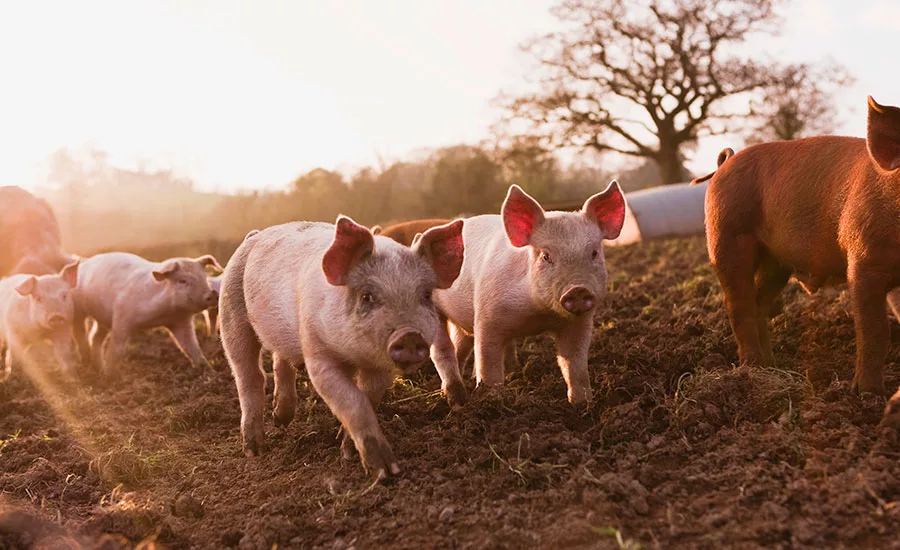
pigs in field
March 18, 2021

The U.S. Department of Agriculture’s (USDA) Animal and Plant Health Inspection Service (APHIS) and the Canadian Food Inspection Agency (CFIA) have enacted protocol to help ensure bilateral trade will continue if African swine fever (ASF) is detected in feral swine in either the U.S. or Canada, while still absent from domestic swine. 

The intent of the protocol is to protect swine populations in both countries during an ASF outbreak in feral swine, while minimizing trade impact of life swine, swine products, and other swine commodities. If an ASF feral swine outbreak is detected, all trade between both countries would stop, at first. Then, according to protocol, trade would resume in three progressive phases, with reduced restrictions on life swine, swine germplasm, and untreated swine commodities.

Phase two of the protocol depends on how quickly both countries establish initial control areas, initiative surveillance/case findings removal in feral swine, and start surveillance in captive swine. During the third phase, trade restrictions will be reduced to the boundaries of the established control area. 

APHIS and CFIA will continue to work with the industry to ensure that both countries have processes and procedures in place to fully implement the protocol. 

USDA continues to work with many partners, including the swine industry, producers, other government entities, and neighboring countries, to keep ASF out of North America. However, officials say there need to be plans in place and incident management teams ready to go in case ASF does reach the United States. Find more information on ASF here. 

Looking for quick answers on food safety topics?
Try Ask FSM, our new smart AI search tool.
Ask FSM →


KEYWORDS: swine inspection USDA

Share This Story

Recommended Content

JOIN TODAY
to unlock your recommendations.

Already have an account? Sign In

  • people holding baby chicks

    Serovar Differences Matter: Utility of Deep Serotyping in Broiler Production and Processing

    This article discusses the significance of Salmonella in...
    Meat/Poultry
    By: Nikki Shariat Ph.D.
  • woman washing hands

    Building a Culture of Hygiene in the Food Processing Plant

    Everyone entering a food processing facility needs to...
    Sanitation
    By: Richard F. Stier, M.S.
  • graphical representation of earth over dirt

    Climate Change and Emerging Risks to Food Safety: Building Climate Resilience

    This article examines the multifaceted threats to food...
    Risk Assessment
    By: Maria Cristina Tirado Ph.D., D.V.M. and Shamini Albert Raj M.A.
Manage My Account
  • eMagazine Subscription
  • Subscribe to eNewsletter
  • Manage My Preferences
  • Website Registration
  • Subscription Customer Service

More Videos

Sponsored Content

Sponsored Content is a special paid section where industry companies provide high quality, objective, non-commercial content around topics of interest to the Food Safety Magazine audience. All Sponsored Content is supplied by the advertising company and any opinions expressed in this article are those of the author and not necessarily reflect the views of Food Safety Magazine or its parent company, BNP Media. Interested in participating in our Sponsored Content section? Contact your local rep!

close
  • Salmonella bacteria
    Sponsored byThermoFisher

    Food Microbiology Testing Methods: Salmonella species

  • a diagram explaining indicator organisms
    Sponsored byHygiena

    How Proactive Listeria Testing Helps Prevent Six- and Seven-Figure Recalls

  • woman grocery shopping
    Sponsored byCorbion

    Designing Safety Into Every Bite: Proactive Risk Mitigation for Refrigerated Foods

Popular Stories

NRTE breaded stuffed chicken

USDA Indefinitely Delays Enforcement of Salmonella as Adulterant in Raw Breaded, Stuffed Chicken

non-conforming product

How to Handle Non-Conforming Product

spoonfuls of food ingredients

FDA’s Developing Rule to Tighten GRAS Oversight Moves to White House

Events

December 11, 2025

How to Develop and Implement an Effective Food Defense Strategy

Live: December 11, 2025 at 2:00 pm EDT: From this webinar, attendees will learn common areas where companies encounter challenges in their food defense strategies and how to address them.

May 11, 2026

The Food Safety Summit

Stay informed on the latest food safety trends, innovations, emerging challenges, and expert analysis. Leave the Summit with actionable insights ready to drive measurable improvements in your organization. Do not miss this opportunity to learn from experts about contamination control, food safety culture, regulations, sanitation, supply chain traceability, and so much more.

View All

Products

Global Food Safety Microbial Interventions and Molecular Advancements

Global Food Safety Microbial Interventions and Molecular Advancements

See More Products

Related Articles

  • Is African Swine Fever an Emerging Threat to the U.S. Pork Supply?

    See More
  • black pig

    USDA Prepares to Invest Up to $500 Million to Prevent Spread of African Swine Fever

    See More
  • EFSA Launches ‘Stop African Swine Fever’ Campaign in Southeast Europe

    See More

Related Products

See More Products
  • 1119237963.jpg

    Food Safety in China: Science, Technology, Management and Regulation

  • 9781138070912.jpg

    Trends in Food Safety and Protection

See More Products

Events

View AllSubmit An Event
  • May 15, 2025

    Alarm Fatigue: How to Ensure Out-of-Compliance Alarms Serve Their Purpose and Ensure Food Safety

    On Demand: This session will explore the challenges of setting effective alarms for out-of-compliance hot and cold holding temperatures in food safety management. 
  • December 12, 2024

    Cooking Instructions Validation: How to Ensure the Safety of Not-Ready-to-Eat Products

    On Demand: From this webinar, attendees will be able to identify the different requirements for ready-to-eat and not-ready-to-eat products.
View AllSubmit An Event
×

Never miss the latest news and trends driving the food safety industry

eNewsletter | Website | eMagazine

JOIN TODAY!
  • RESOURCES
    • Advertise
    • Contact Us
    • Directories
    • Store
    • Want More
  • SIGN UP TODAY
    • Create Account
    • eMagazine
    • eNewsletter
    • Customer Service
    • Manage Preferences
  • SERVICES
    • Marketing Services
    • Reprints
    • Market Research
    • List Rental
    • Survey/Respondent Access
  • STAY CONNECTED
    • LinkedIn
    • Facebook
    • Instagram
    • X (Twitter)
  • PRIVACY
    • PRIVACY POLICY
    • TERMS & CONDITIONS
    • DO NOT SELL MY PERSONAL INFORMATION
    • PRIVACY REQUEST
    • ACCESSIBILITY

Copyright ©2025. All Rights Reserved BNP Media.

Design, CMS, Hosting & Web Development :: ePublishing