Food Safety
search
Ask Food Safety AI
cart
facebook twitter linkedin
  • Sign In
  • Create Account
  • Sign Out
  • My Account
Food Safety
  • NEWS
    • Latest News
    • White Papers
  • PRODUCTS
  • TOPICS
    • Contamination Control
    • Food Types
    • Management
    • Process Control
    • Regulatory
    • Sanitation
    • Supply Chain
    • Testing and Analysis
  • PODCAST
  • EXCLUSIVES
    • Food Safety Five Newsreel
    • eBooks
    • FSM Distinguished Service Award
    • Interactive Product Spotlights
    • Videos
  • BUYER'S GUIDE
  • MORE
    • ENEWSLETTER >
      • Archive Issues
      • Subscribe to eNews
    • Store
    • Sponsor Insights
    • ASK FSM AI
  • WEBINARS
  • FOOD SAFETY SUMMIT
  • EMAG
    • eMagazine
    • Archive Issues
    • Editorial Advisory Board
    • Contact
    • Advertise
  • SIGN UP!
News

FDA Announces Investigations of Two Outbreaks of E. coli O157:H7 Illnesses
October 29, 2020

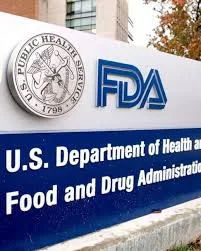
According to Frank Yiannas, U.S. Food and Drug Administration (FDA) Deputy Commissioner for Food Policy and Response, FDA, along with the U.S. Centers for Disease Control and Prevention (CDC) and the agency’s state and local partners, are working to investigate two outbreaks of Shiga toxin-producing Escherichia coli O157:H7 (STEC) illnesses. A specific food product has not yet been identified. However, FDA has seen similar recurring, emerging, or persistent strains of E. coli in recent outbreaks.

He notes that FDA is issuing this update early in its investigation as part of the agency’s continued commitment to transparency and early communication. Investigators at the agency are also working toward making a new resource available soon on the FDA website to provide early updates on new and active investigations.

FDA is closely working with its partners at the CDC and the states to pinpoint the sources of the E. coli O157:H7 illness outbreaks and will share information as it becomes available.

To support CDC’s epidemiological investigation, FDA is conducting traceback investigations, on-site inspections, and sampling in an effort to rule in or rule out suspect foods.

One of the outbreaks is being caused by a strain of E. coli that is genetically related to a strain that caused the 2019 STEC outbreak linked to romaine grown in the California Central Coast Salinas growing region. To date, 23 cases and no deaths have been reported.

The second outbreak is being caused by an E. coli strain that is genetically related to a larger, diverse genetic cluster including the strain that caused the 2018 STEC outbreak linked to romaine and environmental isolates from the Yuma, Arizona growing region. To date, 21 cases and one death have been reported.

While there have been no specific foods definitively linked to these outbreaks, FDA has taken a number of actions to prevent foodborne illness outbreaks and strengthen safeguards for consumers as part of its New Era of Smarter Food Safety initiative, including the issuance of the Leafy Greens STEC Action Plan, which outlined actions that the FDA plans to take in 2020 to advance work in three areas: prevention, response, and addressing knowledge gaps. Actions completed this year include:

  • Published a report following the investigation into three 2019 outbreaks of E. coli O157:H7 in leafy greens grown in the Salinas Valley, California, which further increased the agency’s understanding of how leafy greens may have become contaminated and the impact of animal activity on adjacent and nearby land.
  • Prioritized inspections and other surveillance activities, in collaboration with the California Department of Food and Agriculture (CDFA), at farms identified by traceback in the 2019 outbreaks during the 2020 growing/harvest season specifically to further investigate harvest operations and factors in the environment that may have contributed to the introduction and transmission of E. coli O157:H7 that led to the contamination of romaine lettuce in the Salinas Valley growing area.
  • Initiated a longitudinal research study with CDFA and other agricultural partners in California to improve food safety through an enhanced understanding of the ecology of human pathogens in the environment that may cause foodborne illness outbreaks. In addition, FDA’s inspection activity in the Central Coast, Central Valley, and Imperial Valley in California and in Yuma, Arizona, includes sampling and testing for pathogenic E. coli and Salmonella with a new sampling assignment as well as sampling assignments for the last few years.


Sign up for Food Safety Magazine’s bi-weekly emails!

Subscribe to our podcast: Food Safety Matters!


Author(s): Staff

Looking for quick answers on food safety topics?
Try Ask FSM, our new smart AI search tool.
Ask FSM →


Share This Story

Recommended Content

JOIN TODAY
to unlock your recommendations.

Already have an account? Sign In

  • people holding baby chicks

    Serovar Differences Matter: Utility of Deep Serotyping in Broiler Production and Processing

    This article discusses the significance of Salmonella in...
    Methods
    By: Nikki Shariat Ph.D.
  • woman washing hands

    Building a Culture of Hygiene in the Food Processing Plant

    Everyone entering a food processing facility needs to...
    Food Prep/Handling
    By: Richard F. Stier, M.S.
  • graphical representation of earth over dirt

    Climate Change and Emerging Risks to Food Safety: Building Climate Resilience

    This article examines the multifaceted threats to food...
    Management
    By: Maria Cristina Tirado Ph.D., D.V.M. and Shamini Albert Raj M.A.
Manage My Account
  • eMagazine Subscription
  • Subscribe to eNewsletter
  • Manage My Preferences
  • Website Registration
  • Subscription Customer Service

More Videos

Sponsored Content

Sponsored Content is a special paid section where industry companies provide high quality, objective, non-commercial content around topics of interest to the Food Safety Magazine audience. All Sponsored Content is supplied by the advertising company and any opinions expressed in this article are those of the author and not necessarily reflect the views of Food Safety Magazine or its parent company, BNP Media. Interested in participating in our Sponsored Content section? Contact your local rep!

close
  • Salmonella bacteria
    Sponsored byThermoFisher

    Food Microbiology Testing Methods: Salmonella species

  • a diagram explaining indicator organisms
    Sponsored byHygiena

    How Proactive Listeria Testing Helps Prevent Six- and Seven-Figure Recalls

  • woman grocery shopping
    Sponsored byCorbion

    Designing Safety Into Every Bite: Proactive Risk Mitigation for Refrigerated Foods

Popular Stories

NRTE breaded stuffed chicken

USDA Indefinitely Delays Enforcement of Salmonella as Adulterant in Raw Breaded, Stuffed Chicken

digital map of europe

EU Publishes Food Fraud Tool Mapping Thousands of Cases Since 2016

non-conforming product

How to Handle Non-Conforming Product

Events

December 11, 2025

How to Develop and Implement an Effective Food Defense Strategy

Live: December 11, 2025 at 2:00 pm EDT: From this webinar, attendees will learn common areas where companies encounter challenges in their food defense strategies and how to address them.

May 11, 2026

The Food Safety Summit

Stay informed on the latest food safety trends, innovations, emerging challenges, and expert analysis. Leave the Summit with actionable insights ready to drive measurable improvements in your organization. Do not miss this opportunity to learn from experts about contamination control, food safety culture, regulations, sanitation, supply chain traceability, and so much more.

View All

Products

Global Food Safety Microbial Interventions and Molecular Advancements

Global Food Safety Microbial Interventions and Molecular Advancements

See More Products

Related Articles

  • FSS recalls generic image

    Update: FDA investigating multistate outbreak of E. coli O157:H7 infections likely linked to romaine lettuce grown in California

    See More
  • CDC: Raw Ground Beef in Seasonal Delicacy Caused 2012 Outbreak of E. coli O157:H7

    See More
  • CDC Identifies Likely Source of E. coli O157:H7 Associated with Romaine Lettuce

    See More

Related Products

See More Products
  • 1444333348.jpg

    Handbook of Food Safety Engineering

  • 9781498721776.jpg

    Handbook of Food Processing: Food Safety, Quality, and Manufacturing Processes

  • global food.jpg

    Global Food Safety Microbial Interventions and Molecular Advancements

See More Products
×

Never miss the latest news and trends driving the food safety industry

eNewsletter | Website | eMagazine

JOIN TODAY!
  • RESOURCES
    • Advertise
    • Contact Us
    • Directories
    • Store
    • Want More
  • SIGN UP TODAY
    • Create Account
    • eMagazine
    • eNewsletter
    • Customer Service
    • Manage Preferences
  • SERVICES
    • Marketing Services
    • Reprints
    • Market Research
    • List Rental
    • Survey/Respondent Access
  • STAY CONNECTED
    • LinkedIn
    • Facebook
    • Instagram
    • X (Twitter)
  • PRIVACY
    • PRIVACY POLICY
    • TERMS & CONDITIONS
    • DO NOT SELL MY PERSONAL INFORMATION
    • PRIVACY REQUEST
    • ACCESSIBILITY

Copyright ©2025. All Rights Reserved BNP Media.

Design, CMS, Hosting & Web Development :: ePublishing