Food Safety
search
Ask Food Safety AI
cart
facebook twitter linkedin instagram youtube
  • Sign In
  • Create Account
  • Sign Out
  • My Account
Food Safety
  • NEWS
    • Latest News
    • Food Safety Five Newsreel
  • PRODUCTS
  • TOPICS
    • Contamination Control
    • Food Types
    • Management
    • Process Control
    • Regulatory
    • Sanitation
    • Supply Chain
    • Testing and Analysis
  • PODCAST
  • EXCLUSIVES
    • eBooks
    • Sponsored Insights
    • Sponsored White Papers
    • FSM Distinguished Service Award
    • Interactive Product Spotlights
    • Videos
  • MORE
    • BUYER'S GUIDE
    • NEWSLETTERS >
      • Archive Issues
      • Subscribe to eNews
    • Store
    • ASK FSM AI
  • WEBINARS
  • FOOD SAFETY SUMMIT
  • FSM FEATURES
    • FSM Features Collection
    • eMag Archives
    • Editorial Advisory Board
    • Contact
    • Advertise
  • SIGN UP!
News

FDA Approves Color Additive in Food After Impossible Burger Petition

0be308bc 45a9 4404 835a48b64ec63d9a
August 1, 2019

Yesterday, the U.S. Food and Drug Administration (FDA) announced plans to amend color additive regulations to provide for the safe use of soy leghemoglobin as a color additive in ground beef analogue products, also widely known as veggie burgers.

FDA’s action is in response to a color additive petition submitted in November 2018 by Impossible Foods, Inc., maker of the popular Impossible Burger. The company asked FDA to issue a regulation listing the use of soy leghemoglobin as a color additive in food.

After a review of data submitted by Impossible Foods, along with other relevant documentation, FDA concluded that there is “a reasonable certainty of no harm from the use of soy leghemoglobin as a color additive” in food.

“We have previously considered the safety of soy leghemoglobin preparation as the result of a submission from Impossible Foods who made its own determination, to which we had no questions, that the use of soy leghemoglobin preparation to optimize flavor in ground beef analogue products intended to be cooked is generally recognized as safe (GRAS),” says the FDA final rule.

Once the final rule is published, FDA does allow a 30-day period for any person who’s been adversely affected by the use of soy leghemoglobin in food to submit an objection. All objections must include the Docket No. FDA–2018–C–4464 for “Listing of Color Additives Exempt from Certification; Soy leghemoglobin.” More information on the color additive rule, and how to submit an objection, can be found at FederalRegister.gov. 

Sign up for Food Safety Magazine’s bi-weekly emails!

Subscribe to our podcast: Food Safety Matters!


Author(s): Staff

Looking for quick answers on food safety topics?
Try Ask FSM, our new smart AI search tool.
Ask FSM →
Share This Story

Recommended Content

JOIN TODAY
to unlock your recommendations.

Already have an account? Sign In

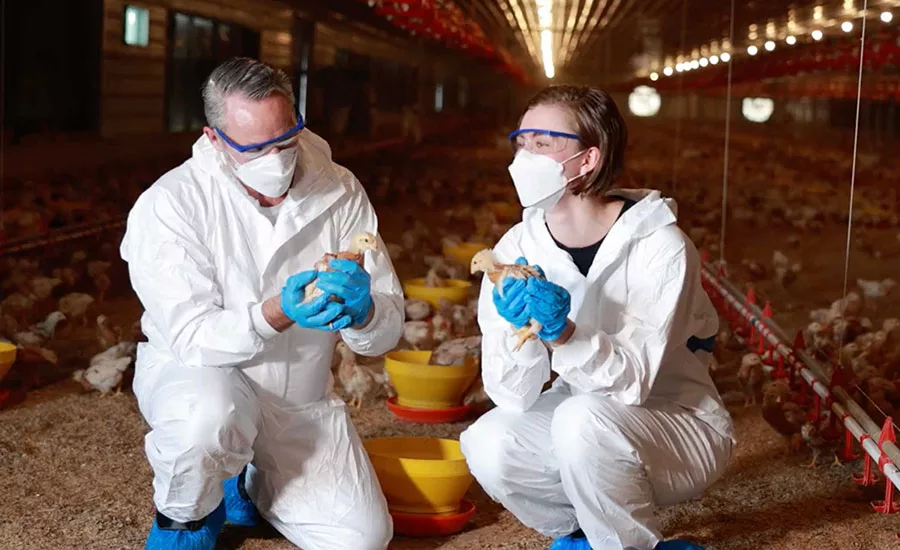
  • people holding baby chicks

    Serovar Differences Matter: Utility of Deep Serotyping in Broiler Production and Processing

    This article discusses the significance of Salmonella in...
    Testing & Analysis
    By: Nikki Shariat Ph.D.
  • woman washing hands

    Building a Culture of Hygiene in the Food Processing Plant

    Everyone entering a food processing facility needs to...
    Food Prep/Handling
    By: Richard F. Stier, M.S.
  • graphical representation of earth over dirt

    Climate Change and Emerging Risks to Food Safety: Building Climate Resilience

    This article examines the multifaceted threats to food...
    Management
    By: Maria Cristina Tirado Ph.D., D.V.M. and Shamini Albert Raj M.A.
Manage My Account
  • eMagazine Subscription
  • Subscribe to Newsletters
  • Manage My Preferences
  • Website Registration
  • Subscription Customer Service

More Videos

Sponsored Content

Sponsored Content is a special paid section where industry companies provide high quality, objective, non-commercial content around topics of interest to the Food Safety Magazine audience. All Sponsored Content is supplied by the advertising company and any opinions expressed in this article are those of the author and not necessarily reflect the views of Food Safety Magazine or its parent company, BNP Media. Interested in participating in our Sponsored Content section? Contact your local rep!

close
  • Top view portrait of two factory workers standing by conveyor belt during quality inspection at food production, copy space
    Sponsored byFlexXray

    Foreign Material By the Numbers: What the 2026 Benchmark Report Reveals

  • a conveyorized industrial metal detector system that appears to resemble a Loma Systems IQ4 Metal Detector setup with an integrated conveyor belt and control panel for food or package inspection.
    Sponsored byMettler Toledo

    Beyond Detection: How to Avoid Physical Contamination in Food Through a Smarter Inspection Strategy

  • The image displays a bottling plant production line, commonly used in the beverage industry for filling and packaging soft drinks.
    Sponsored byBIOIONIX

    Sustainability with ROI: A Beverage Producer Case Study in Water Savings

Popular Stories

farmer walking through field of lettuce

With Cyclospora Lettuce Outbreak Over, Taylor Farms Speaks Up as FDA is Questioned

warehouse manager

FDA Announces Food Traceability Rule Exemption for Certain Small Businesses, Considers Additional Flexibilities

Managers discuss operations in canned fish production facility

Building Leadership Buy-In for Food Safety

allergens ebook

Events

October 15, 2026

How to Prevent Physical Contamination in Food Production and Strengthen Compliance

Live: October 15, 2026 at 2:00 pm EDT: Attend this webinar to gain insight into how product inspection helps protect your brand, reduce recall risk, and support compliance.

October 29, 2026

FDA Proposes Major GRAS Reform: What It Could Mean for Your Business

Live: October 29, 2026 at 2:00 pm EDT: Attend this webinar to examine potential implications for self-GRAS, Flavor and Extract Manufacturers Association (FEMA) GRAS, and food-contact substances.

November 5, 2026

How Middle Managers Shape Food Safety Culture and Risk Performance

Live: November 5, 2026 at 11:00 am EST: From this webinar, attendees will learn how investing in middle managers improves both FSQ strategy implementation and accountability across all levels of the company.

View All

Products

Global Food Safety Microbial Interventions and Molecular Advancements

Global Food Safety Microbial Interventions and Molecular Advancements

See More Products

Related Articles

  • FDA logo

    FDA approves soy leghemoglobin as a color additive

    See More
  • cupcake with yellow sprinkles

    FDA Receives Color Additive Petitions for Three ‘Natural’ Food Dyes

    See More
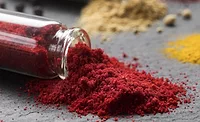
  • Image of container spilling red powder

    FDA Approves Three Food Colors from Natural Sources

    See More

Related Products

See More Products
  • 9781138070912.jpg

    Trends in Food Safety and Protection

  • 1119237963.jpg

    Food Safety in China: Science, Technology, Management and Regulation

  • 1119053595.jpg

    Food Safety for the 21st Century: Managing HACCP and Food Safety throughout the Global Supply Chain, 2E

See More Products

Events

View AllSubmit An Event
  • May 28, 2026

    Advanced Sanitation Strategies for Allergen Risk Reduction in Food Processing

    On Demand: From this webinar, attendees will learn why validation and verification are necessary for allergen control, and how analytical tools can support allergen management programs.
  • September 2, 2026

    From Crisis to Control: A Listeria Elimination Journey in Food Manufacturing

    On Demand: This webinar shares a real-world case study of a food processing facility that solved a persistent Listeria challenge after standard protocols fell short.
View AllSubmit An Event

Related Directories

  • Women In Food Safety

    Women in Food Safety is a US-based global nonprofit organization dedicated to empowering and advancing women in the food safety and quality industry. Women In Food Safety provides a platform for professionals at all stages of their careers to grow, share knowledge, and support one another. Through community events, educational initiatives, and leadership development, we are building a more inclusive and resilient future for food safety worldwide. Together, we can do BETTER!
  • iFoodDS

    iFoodDS provides connected traceability and food safety solutions that help food companies gain greater visibility into their supply chains, manage risk, and improve collaboration across the food system. Through its Trace Exchange™ platform, iFoodDS helps food companies and their trading partners streamline traceability data exchange and participate in a more connected supply chain network. iFoodDS also offers the TraceApproved™ readiness program to help food companies navigate FDA’s Food Traceability Rule and streamline the path to compliance. Visit www.iFoodDS.com to learn more.
  • Food Radar Systems in Sweden AB

    Food Radar Systems, based in Sweden, develops microwave technology that detects and rejects low-density foreign bodies in pumpable food products, helping food manufacturers improve safety, protect consumers, and strengthen quality assurance in modern production environments.
×

Never miss the latest news and trends driving the food safety industry

Newsletters | Website | FSM Features Collection

JOIN TODAY!
  • RESOURCES
    • Advertise
    • Contact Us
    • Directories
    • Store
    • Want More
  • SIGN UP TODAY
    • Create Account
    • eMagazine
    • Newsletters
    • Customer Service
    • Manage Preferences
  • SERVICES
    • Marketing Services
    • Reprints
    • Market Research
    • List Rental
    • Survey/Respondent Access
  • STAY CONNECTED
    • LinkedIn
    • Facebook
    • Instagram
    • X (Twitter)
  • PRIVACY
    • PRIVACY POLICY
    • TERMS & CONDITIONS
    • DO NOT SELL MY PERSONAL INFORMATION
    • PRIVACY REQUEST
    • ACCESSIBILITY

Copyright ©2026. All Rights Reserved BNP Media, Inc. and BNP Media II, LLC.

Design, CMS, Hosting & Web Development :: ePublishing