Food Safety
search
Ask Food Safety AI
cart
facebook twitter linkedin
  • Sign In
  • Create Account
  • Sign Out
  • My Account
Food Safety
  • NEWS
    • Latest News
    • White Papers
  • PRODUCTS
  • TOPICS
    • Contamination Control
    • Food Types
    • Management
    • Process Control
    • Regulatory
    • Sanitation
    • Supply Chain
    • Testing and Analysis
  • PODCAST
  • EXCLUSIVES
    • Food Safety Five Newsreel
    • eBooks
    • FSM Distinguished Service Award
    • Interactive Product Spotlights
    • Videos
  • BUYER'S GUIDE
  • MORE
    • ENEWSLETTER >
      • Archive Issues
      • Subscribe to eNews
    • Store
    • Sponsor Insights
    • ASK FSM AI
  • WEBINARS
  • FOOD SAFETY SUMMIT
  • EMAG
    • eMagazine
    • Archive Issues
    • Editorial Advisory Board
    • Contact
    • Advertise
  • SIGN UP!
News

USDA Offers Food Safety Tips for Areas Affected by Hurricane Florence

September 13, 2018

The U.S. Department of Agriculture’s (USDA) Food Safety and Inspection Service (FSIS) is issuing food safety recommendations for those who may be impacted by Hurricane Florence.

The National Hurricane Center expects impacts from Hurricane Florence along the coastal southeastern U.S. into the mid-Atlantic region. According to the National Hurricane Center, flooding, hurricane force winds and storm surge are likely in portions of South Carolina, North Carolina and Virginia. Everyone in the path of the storm should closely monitor the progress of Florence, ensure they have their hurricane plan in place, and follow any advice given by local officials.

Hurricanes present the possibility of power outages and flooding that can compromise the safety of stored food. Residents in the path of this storm should pay close attention to the forecast. FSIS recommends that consumers take the following steps to reduce food waste and the risk of foodborne illness during this and other severe weather events.

Steps to follow in advance of losing power:

  • Keep appliance thermometers in both the refrigerator and the freezer to ensure temperatures remain food safe during a power outage. Safe temperatures are 40 °F or lower in the refrigerator, 0 °F or lower in the freezer.
  • Freeze water in one-quart plastic storage bags or small containers prior to a storm. These containers are small enough to fit around the food in the refrigerator and freezer to help keep food cold. Remember, water expands when it freezes, so don’t overfill the containers.
  • Freeze refrigerated items, such as leftovers, milk, and fresh meat and poultry that you may not need immediately—this helps keep them at a safe temperature longer.
  • Know where you can get dry ice or block ice.
  • Have coolers on hand to keep refrigerator food cold if the power will be out for more than 4 hours.
  • Group foods together in the freezer—this ‘igloo’ effect helps the food stay cold longer.
  • Keep a few days’ worth of ready-to-eat foods that do not require cooking or cooling. 

Steps to follow if the power goes out:

  • Keep the refrigerator and freezer doors closed as much as possible. A refrigerator will keep food cold for about four hours if the door is kept closed. A full freezer will hold its temperature for about 48 hours (24 hours if half-full).
  • Place meat and poultry to one side of the freezer or on a tray to prevent cross-contamination of thawing juices.
  • Use dry or block ice to keep the refrigerator as cold as possible during an extended power outage. Fifty pounds of dry ice should keep a fully stocked 18-cubic-feet freezer cold for 2 days. 

Food safety after a flood:

  • Do not eat any food that may have come into contact with flood water—this would include raw fruits and vegetables, cartons of milk, or eggs.
  • Discard any food that is not in a waterproof container if there is any chance that it has come into contact with flood water. Food containers that are not waterproof include those packaged in plastic wrap or cardboard, or those with screw caps, snap lids, pull tops, and crimped caps. Flood waters can enter into any of these containers and contaminate the food inside. Also, discard cardboard juice/milk/baby formula boxes and home-canned foods if they have come in contact with flood water, because they cannot be effectively cleaned and sanitized.
  • Inspect canned foods and discard any food in damaged cans. Can damage is shown by swelling, leakage, punctures, holes, fractures, extensive deep rusting or crushing/denting severe enough to prevent normal stacking or opening with a manual, wheel-type can opener. 

Steps to follow after a weather emergency:

  • Check the temperature inside of your refrigerator and freezer. Discard any perishable food (such as meat, poultry, seafood, eggs, or leftovers) that has been above 40 °F for 2 hours or more.
  • Check each item separately. Throw out any food that has an unusual odor, color, or texture, or feels warm to the touch.
  • Check frozen food for ice crystals. The food in your freezer that partially or completely thawed may be safely refrozen if it still contains ice crystals or is 40 °F or below.
  • Never taste a food to decide if it’s safe.
  • When in doubt, throw it out.

FSIS’ YouTube video “Food Safety During Power Outages” has instructions for keeping frozen and refrigerated food safe. The publication “A Consumer’s Guide to Food Safety: Severe Storms and Hurricanes” can be downloaded and printed for reference during a power outage. An infographic is also available outline steps you can take before, during and after severe weather, power outages and flooding. FSIS provides relevant food safety information during disasters on Twitter @USDAFoodSafety and Facebook.

If you have questions about food safety during severe weather, or any other food safety topics, call the USDA Meat & Poultry Hotline at 1-888MPHotline or chat live with a food safety specialist at AskKaren.gov. These services are available in English and Spanish from 10 a.m. to 6 p.m. Eastern Time, Monday through Friday. Answers to frequently asked question can also be found 24/7 at AskKaren.gov.


Author(s): USDA

Looking for quick answers on food safety topics?
Try Ask FSM, our new smart AI search tool.
Ask FSM →


Share This Story

Recommended Content

JOIN TODAY
to unlock your recommendations.

Already have an account? Sign In

  • people holding baby chicks

    Serovar Differences Matter: Utility of Deep Serotyping in Broiler Production and Processing

    This article discusses the significance of Salmonella in...
    Contamination Control
    By: Nikki Shariat Ph.D.
  • woman washing hands

    Building a Culture of Hygiene in the Food Processing Plant

    Everyone entering a food processing facility needs to...
    Management
    By: Richard F. Stier, M.S.
  • graphical representation of earth over dirt

    Climate Change and Emerging Risks to Food Safety: Building Climate Resilience

    This article examines the multifaceted threats to food...
    Risk Assessment
    By: Maria Cristina Tirado Ph.D., D.V.M. and Shamini Albert Raj M.A.
Manage My Account
  • eMagazine Subscription
  • Subscribe to eNewsletter
  • Manage My Preferences
  • Website Registration
  • Subscription Customer Service

More Videos

Sponsored Content

Sponsored Content is a special paid section where industry companies provide high quality, objective, non-commercial content around topics of interest to the Food Safety Magazine audience. All Sponsored Content is supplied by the advertising company and any opinions expressed in this article are those of the author and not necessarily reflect the views of Food Safety Magazine or its parent company, BNP Media. Interested in participating in our Sponsored Content section? Contact your local rep!

close
  • Salmonella bacteria
    Sponsored byThermoFisher

    Food Microbiology Testing Methods: Salmonella species

  • a diagram explaining indicator organisms
    Sponsored byHygiena

    How Proactive Listeria Testing Helps Prevent Six- and Seven-Figure Recalls

  • woman grocery shopping
    Sponsored byCorbion

    Designing Safety Into Every Bite: Proactive Risk Mitigation for Refrigerated Foods

Popular Stories

NRTE breaded stuffed chicken

USDA Indefinitely Delays Enforcement of Salmonella as Adulterant in Raw Breaded, Stuffed Chicken

non-conforming product

How to Handle Non-Conforming Product

spoonfuls of food ingredients

FDA’s Developing Rule to Tighten GRAS Oversight Moves to White House

Events

December 11, 2025

How to Develop and Implement an Effective Food Defense Strategy

Live: December 11, 2025 at 2:00 pm EDT: From this webinar, attendees will learn common areas where companies encounter challenges in their food defense strategies and how to address them.

May 11, 2026

The Food Safety Summit

Stay informed on the latest food safety trends, innovations, emerging challenges, and expert analysis. Leave the Summit with actionable insights ready to drive measurable improvements in your organization. Do not miss this opportunity to learn from experts about contamination control, food safety culture, regulations, sanitation, supply chain traceability, and so much more.

View All

Products

Global Food Safety Microbial Interventions and Molecular Advancements

Global Food Safety Microbial Interventions and Molecular Advancements

See More Products

Related Articles

  • UPDATED: USDA Offers Food Safety Tips for Areas Affected by Hurricanes

    See More
  • USDA Updates Food Safety Tips for Flood Affected Areas

    See More
  • USDA Shares Food Safety Tips for Consumers in Snowstorm Path

    See More

Related Products

See More Products
  • 1119053595.jpg

    Food Safety for the 21st Century: Managing HACCP and Food Safety throughout the Global Supply Chain, 2E

  • 1119160553.jpg

    Food Safety: Innovative Analytical Tools for Safety Assessment

  • 1118396308.jpg

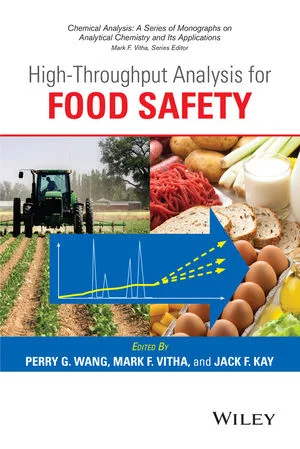
    High Throughput Analysis for Food Safety

See More Products

Related Directories

  • Plum Safety

    Plum Safety Training and Hospitality Consultants provide Environmental Health, Safety, and Food Safety solutions. Certified Food Protection Manager Certification, TiPS Responsible Alcohol Certification, Allergen & Gluten-Free Certification, CPR/AED & First Aid Certification. 3rd Party Inspections and Audits. Authorized OSHA Instructor. Lead HACCP Instructor. HACCP plan development & training.
  • Food Safety and Quality Consultants LLC

    Food Safety and Quality Consultants, LLC (FSQC) is a professional full-service food safety and quality consulting firm offering a complete line of training, consulting, and auditing services to meet your needs. We will help you turn the complicated into compliance by making your food safety systems simple and effective!
  • Spoiler Alert Food Safety

    Spoiler Alert! Food Safety is the premier cloud based digital food safety platform for iOS. This powerful yet simple to app allows you to; track food rotation, generate easy to read smart labels, track product life cycle and alert all of your mobile devices along the way. Our exclusive eco-friendly wash away labels rinse safely down the drain. Starting at just $9.99/mo. Start your 30 day FREE trial today. https://www.spoileralertfoodsafety.com Download in the App Store - Spoiler Alert Food Safety Developed in the U.S.A. by restaurant professionals, for restaurant professionals.
×

Never miss the latest news and trends driving the food safety industry

eNewsletter | Website | eMagazine

JOIN TODAY!
  • RESOURCES
    • Advertise
    • Contact Us
    • Directories
    • Store
    • Want More
  • SIGN UP TODAY
    • Create Account
    • eMagazine
    • eNewsletter
    • Customer Service
    • Manage Preferences
  • SERVICES
    • Marketing Services
    • Reprints
    • Market Research
    • List Rental
    • Survey/Respondent Access
  • STAY CONNECTED
    • LinkedIn
    • Facebook
    • Instagram
    • X (Twitter)
  • PRIVACY
    • PRIVACY POLICY
    • TERMS & CONDITIONS
    • DO NOT SELL MY PERSONAL INFORMATION
    • PRIVACY REQUEST
    • ACCESSIBILITY

Copyright ©2025. All Rights Reserved BNP Media.

Design, CMS, Hosting & Web Development :: ePublishing