Food Safety
search
Ask Food Safety AI
cart
facebook twitter linkedin
  • Sign In
  • Create Account
  • Sign Out
  • My Account
Food Safety
  • NEWS
    • Latest News
    • White Papers
  • PRODUCTS
  • TOPICS
    • Contamination Control
    • Food Types
    • Management
    • Process Control
    • Regulatory
    • Sanitation
    • Supply Chain
    • Testing and Analysis
  • PODCAST
  • EXCLUSIVES
    • Food Safety Five Newsreel
    • eBooks
    • FSM Distinguished Service Award
    • Interactive Product Spotlights
    • Videos
  • BUYER'S GUIDE
  • MORE
    • ENEWSLETTER >
      • Archive Issues
      • Subscribe to eNews
    • Store
    • Sponsor Insights
    • ASK FSM AI
  • WEBINARS
  • FOOD SAFETY SUMMIT
  • EMAG
    • eMagazine
    • Archive Issues
    • Editorial Advisory Board
    • Contact
    • Advertise
  • SIGN UP!

Commentary | Fight for Food Safety

Will expanded E. coli sampling be good for consumers?
By Shawn Stevens
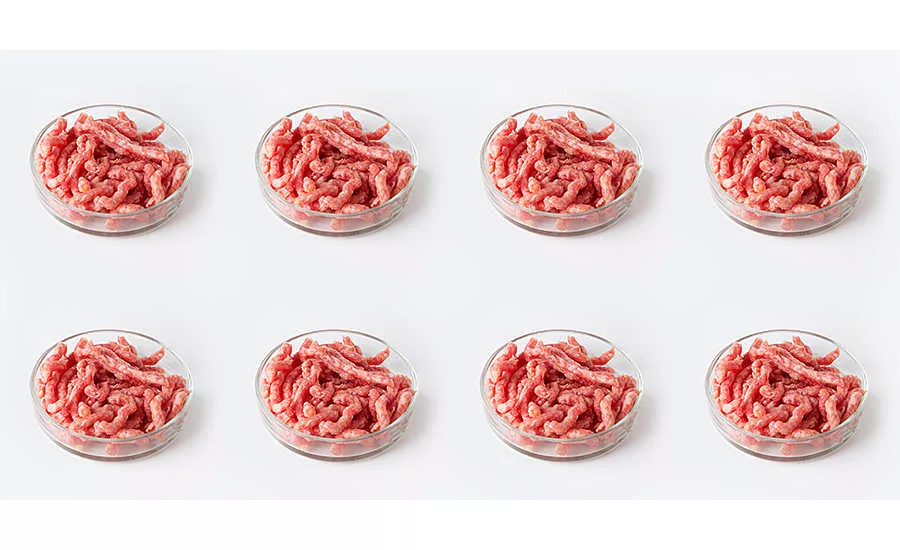
ground beef in small bowls
July 3, 2020

The U.S. Department of Agriculture’s Food Safety and Inspection Service (FSIS) recently announced plans to plans to significantly expand its routine verification testing for Shiga toxin-producing Escherichia coli (STECs), which includes the six non-O157 strains O26, O45, O103, O111, O121 and O145. Inspectors will now begin sampling bench trim, ground beef and raw ground beef components (which includes head meat, cheek meat, weasand (esophagus) meat, product derived from advanced meat recovery (AMR) systems, partially defatted chopped beef and partially defatted beef fatty tissue, LFTB (Lean Finely Textured Beef), and heart meat). FSIS aims to collect and analyze at least 48 samples per year from each establishment producing greater than 50,000 pounds per day of ground beef or beef manufacturing trimmings. 

According to the Federal Register notice, the projected annual cost for testing beef trimmings for non-O157 STEC is $42.2 million, of which industry is expected to incur $42.1 million. The projected industry cost of expanding non-O157 STEC testing to all other raw beef products is another $5.9 million. Certainly, the industry is amenable to making costly food safety improvements, but what is the cost-benefit analysis? To determine that, an analysis of the recall data may help.

The six non-O157 STECs were declared by FSIS to be adulterants on Sept. 20, 2011. Since that date nearly a decade ago, there have been only 18 recalls of USDA-regulated products because of the presence of non-O157 STECs. Notably, over the same 10-year period, there have been more than 400 recalls of USDA-regulated products for the presence of undeclared allergens, more than 250 recalls for the presence of more prevalent pathogens such as Listeria monocytogenes, Salmonella and E. coli O157:H7, and more than 100 recalls for the presence of foreign materials. The disparity in numbers may raise questions about the utility of expanding non-O157 STEC testing, and whether those resources would be better utilized elsewhere.

By way of statistics, since 2011 there have been eight recalls of USDA-regulated products involving E. coli O103, five recalls involving E. coli O26, four recalls involving E. coli O121, four recalls involving E. coli O45, two recalls involving E. coli O111 and two recalls involving E. coli O145. Notably, many of the products recalled were contaminated with multiple strains. In 2014, beef skirts were recalled after they were found to be contaminated with E. coli O111, E. coli O121, E. coli O145, E. coli O45 and E. coli O103. The largest recall, in 2013, was for 10.5 million pounds. The smallest recall, in 2018, was for 489 pounds.
microscopic germs

Though more testing will almost certainly lead to an increase in recalls, it remains to be seen whether the expanded testing program will make food any safer, or just more costly. For now, we recommend that companies review their recall insurance, supplier agreements and sampling programs to ensure they are adequately protected against liability in the event of a recall triggered by the expanded testing program.

Looking for quick answers on food safety topics?
Try Ask FSM, our new smart AI search tool.
Ask FSM →


This article was originally posted on www.provisioneronline.com.
KEYWORDS: E. coli foodborne illnesses sampling program

Share This Story

Shawn stevens 200x200

Shawn Stevens is the founding member of Food Industry Counsel LLC, a law firm formed in 2014 to represent the food industry exclusively in regulatory and other matters involving food safety and quality. Contact Stevens at (920) 698-2561 or stevens@foodindustrycounsel.com, or visit his Web site, www.foodindustrycounsel.com.

Recommended Content

JOIN TODAY
to unlock your recommendations.

Already have an account? Sign In

  • people holding baby chicks

    Serovar Differences Matter: Utility of Deep Serotyping in Broiler Production and Processing

    This article discusses the significance of Salmonella in...
    Methods
    By: Nikki Shariat Ph.D.
  • woman washing hands

    Building a Culture of Hygiene in the Food Processing Plant

    Everyone entering a food processing facility needs to...
    Personal Hygiene/Handwashing
    By: Richard F. Stier, M.S.
  • graphical representation of earth over dirt

    Climate Change and Emerging Risks to Food Safety: Building Climate Resilience

    This article examines the multifaceted threats to food...
    Management
    By: Maria Cristina Tirado Ph.D., D.V.M. and Shamini Albert Raj M.A.
Manage My Account
  • eMagazine Subscription
  • Subscribe to eNewsletter
  • Manage My Preferences
  • Website Registration
  • Subscription Customer Service

More Videos

Sponsored Content

Sponsored Content is a special paid section where industry companies provide high quality, objective, non-commercial content around topics of interest to the Food Safety Magazine audience. All Sponsored Content is supplied by the advertising company and any opinions expressed in this article are those of the author and not necessarily reflect the views of Food Safety Magazine or its parent company, BNP Media. Interested in participating in our Sponsored Content section? Contact your local rep!

close
  • Salmonella bacteria
    Sponsored byThermoFisher

    Food Microbiology Testing Methods: Salmonella species

  • a diagram explaining indicator organisms
    Sponsored byHygiena

    How Proactive Listeria Testing Helps Prevent Six- and Seven-Figure Recalls

  • woman grocery shopping
    Sponsored byCorbion

    Designing Safety Into Every Bite: Proactive Risk Mitigation for Refrigerated Foods

Popular Stories

baby eating bottle

Infant Botulism Spike Exceeds 100 Cases, Extent of ByHeart's Involvement Unclear

NRTE breaded stuffed chicken

USDA Indefinitely Delays Enforcement of Salmonella as Adulterant in Raw Breaded, Stuffed Chicken

digital map of europe

EU Publishes Food Fraud Tool Mapping Thousands of Cases Since 2016

Events

December 11, 2025

How to Develop and Implement an Effective Food Defense Strategy

Live: December 11, 2025 at 2:00 pm EDT: From this webinar, attendees will learn common areas where companies encounter challenges in their food defense strategies and how to address them.

May 11, 2026

The Food Safety Summit

Stay informed on the latest food safety trends, innovations, emerging challenges, and expert analysis. Leave the Summit with actionable insights ready to drive measurable improvements in your organization. Do not miss this opportunity to learn from experts about contamination control, food safety culture, regulations, sanitation, supply chain traceability, and so much more.

View All

Products

Global Food Safety Microbial Interventions and Molecular Advancements

Global Food Safety Microbial Interventions and Molecular Advancements

See More Products

Related Articles

  • Fight for Food Safety

    Will your next recall insurance claim be denied?

    See More
  • Fight for Food Safety

    Will 'clean meat' clean the table?

    See More
  • Fight for Food Safety

    Food-safety investments may be paying off

    See More

Related Products

See More Products
  • 1118396308.jpg

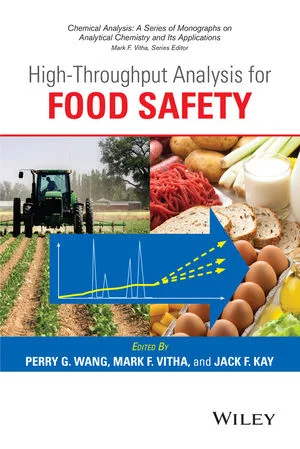
    High Throughput Analysis for Food Safety

  • 1119053595.jpg

    Food Safety for the 21st Century: Managing HACCP and Food Safety throughout the Global Supply Chain, 2E

  • 1119160553.jpg

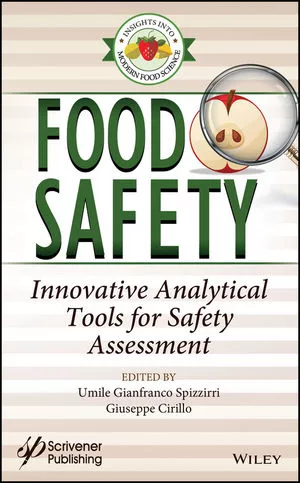
    Food Safety: Innovative Analytical Tools for Safety Assessment

See More Products

Related Directories

  • QualiTru Sampling Systems

    Since 1983, QualiTru Sampling Systems® (formerly QMI) has been the leader in the science of aseptic liquid sampling with innovative, easy-to-use, versatile and cost‑effective sampling systems that help the dairy, beverage and liquid food industries produce safe, quality products across the U.S. and in over 30 countries worldwide.
×

Never miss the latest news and trends driving the food safety industry

eNewsletter | Website | eMagazine

JOIN TODAY!
  • RESOURCES
    • Advertise
    • Contact Us
    • Directories
    • Store
    • Want More
  • SIGN UP TODAY
    • Create Account
    • eMagazine
    • eNewsletter
    • Customer Service
    • Manage Preferences
  • SERVICES
    • Marketing Services
    • Reprints
    • Market Research
    • List Rental
    • Survey/Respondent Access
  • STAY CONNECTED
    • LinkedIn
    • Facebook
    • Instagram
    • X (Twitter)
  • PRIVACY
    • PRIVACY POLICY
    • TERMS & CONDITIONS
    • DO NOT SELL MY PERSONAL INFORMATION
    • PRIVACY REQUEST
    • ACCESSIBILITY

Copyright ©2025. All Rights Reserved BNP Media.

Design, CMS, Hosting & Web Development :: ePublishing