Food Safety
search
Ask Food Safety AI
cart
facebook twitter linkedin instagram youtube
  • Sign In
  • Create Account
  • Sign Out
  • My Account
Food Safety
  • NEWS
    • Latest News
    • White Papers
  • PRODUCTS
  • TOPICS
    • Contamination Control
    • Food Types
    • Management
    • Process Control
    • Regulatory
    • Sanitation
    • Supply Chain
    • Testing and Analysis
  • PODCAST
  • EXCLUSIVES
    • Food Safety Five Newsreel
    • eBooks
    • FSM Distinguished Service Award
    • Interactive Product Spotlights
    • Videos
  • BUYER'S GUIDE
  • MORE
    • NEWSLETTERS >
      • Archive Issues
      • Subscribe to eNews
    • Store
    • Sponsor Insights
    • ASK FSM AI
  • WEBINARS
  • FOOD SAFETY SUMMIT
  • EMAG
    • eMagazine
    • Archive Issues
    • Editorial Advisory Board
    • Contact
    • Advertise
  • SIGN UP!
NewsRegulatoryInternational Standards/Harmonization

EU Introduces Regulations for Crops Bred Through New Genomic Techniques
By Food Safety Magazine Editorial Team
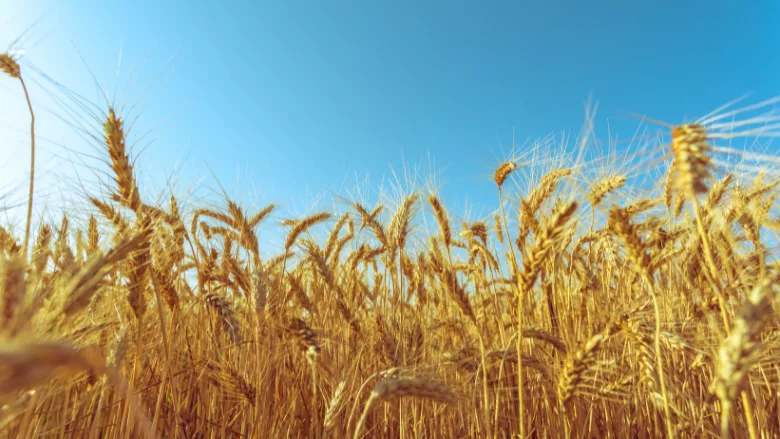
field of wheat under a blue sky
Image credit: fabrikasimf via Freepik
April 28, 2026

The European Commission has adopted new rules on new genomic techniques (NGTs) for plant breeding.

The new NGT rules were adopted by the council on April 21, 2026. The text is awaiting formal adoption by the European Parliament. The new framework is expected to apply beginning mid-2028.

Regulatory Framework for NGTs and GMOs

At present, plants developed through NGTs are regulated under EU genetic modification (GMO) legislation. However, unlike GMO plants, plants bred using NGTs can be very similar or even identical to products generated with conventional breeding techniques or to plants occurring naturally, according to the Commission. 

The new EU rules aim to give legal clarity on new breeding methods that do not use foreign DNA, while NGT plants containing foreign genetic material continue to be regulated under GMO legislation. Conventional breeding falls outside the scope of GMO legislation.

Rules for NGTs in Practice

On December 4, 2025, the European Council reached a provisional agreement with the European Parliament on rules that establish a legal framework for NGTs. The rules would require all NGT plants to be listed in a public database and banned from organic production.

Additionally, two categories of plants would be established, with different rules:

  • Category 1: Plants equivalent to conventionally bred or naturally mutated plants. Category 1 plants would be verified as such by national authorities and the Commission before being placed on the market. Seeds and reproductive material must be labeled as NGT in origin, but plants would not need to be labeled. Herbicide-tolerant plants would be excluded from Category 1. Companies or breeders would have to submit information on patents, and the Commission would conduct a study on the impact of patenting on NGT plant innovation, access, and competitiveness. Category 1 plants would be exempt from GMO legislation, but existing EU legislation on food and feed, novel foods, and environmental liability and conservation would apply.
  • Category 2: Plants with more complex modifications. Category 2 plants would have to be authorized for use by national authorities and the Commission, including risk and safety assessments, before being placed on the market. These products would have to bear a label providing information about the traits that resulted from the genetic modification. Regulatory incentives could be offered to producers of plants with traits that could improve sustainability, except for herbicide-tolerant traits. Category 2 plants would have to comply with existing GMO legislation, adapted by the new NGT rules. Individual EU countries could restrict or prohibit the cultivation of category 2 plants within their jurisdiction, or take measures to ensure that these plants are not unintentionally present in non-NGT products.

The Impact of Patenting on Plant Breeding

Additionally, one year after the entry into force of the regulation, the Commission will publish a study on the impact of patenting on innovation, the availability of seeds to farmers, and the competitiveness of the EU plant breeding sector. The Commission will then indicate if any follow-up measures are necessary or publish a legislative proposal to address any issues found through the study.

Agri-Food Uses for NGTs

According to the Commission, NGTs have the potential to contribute to sustainable agri-food systems and help respond to challenges such as global food insecurity and climate change. NGTs can help breed plants that:

  • Are climate-resilient or pest-resistant
  • Require fewer fertilizers and pesticides
  • Can ensure higher yields
  • Have fewer allergens
  • Use water and other natural resources more efficiently.

For example, NGTs have led to the development of low-gluten wheat, pathogen-resistant potatoes, and drought-tolerant maize.

Looking for quick answers on food safety topics?
Try Ask FSM, our new smart AI search tool.
Ask FSM →


KEYWORDS: EU Europe gene editing

Share This Story

Fsm purple logo 200x200

The Food Safety Magazine editorial team comprises Bailee Henderson, Digital Editor ✉ and Adrienne Blume, M.A., Editorial Director.

Recommended Content

JOIN TODAY
to unlock your recommendations.

Already have an account? Sign In

  • people holding baby chicks

    Serovar Differences Matter: Utility of Deep Serotyping in Broiler Production and Processing

    This article discusses the significance of Salmonella in...
    Testing & Analysis
    By: Nikki Shariat Ph.D.
  • woman washing hands

    Building a Culture of Hygiene in the Food Processing Plant

    Everyone entering a food processing facility needs to...
    Training
    By: Richard F. Stier, M.S.
  • graphical representation of earth over dirt

    Climate Change and Emerging Risks to Food Safety: Building Climate Resilience

    This article examines the multifaceted threats to food...
    Contamination Control
    By: Maria Cristina Tirado Ph.D., D.V.M. and Shamini Albert Raj M.A.
Manage My Account
  • eMagazine Subscription
  • Subscribe to Newsletters
  • Manage My Preferences
  • Website Registration
  • Subscription Customer Service

More Videos

Sponsored Content

Sponsored Content is a special paid section where industry companies provide high quality, objective, non-commercial content around topics of interest to the Food Safety Magazine audience. All Sponsored Content is supplied by the advertising company and any opinions expressed in this article are those of the author and not necessarily reflect the views of Food Safety Magazine or its parent company, BNP Media. Interested in participating in our Sponsored Content section? Contact your local rep!

close
  • the use of dual-energy X-ray food inspection technology to identify foreign contaminants.
    Sponsored byEagle by METTLER TOLEDO

    Precision Inspection Starts with the Right X-ray Detector

  • This image depicts a worker cleaning stainless steel machinery in a food processing plant
    Sponsored byCintas

    Employee Uniforms: A Frontline Defense Against Food Contamination

  • This image depicts a healthcare professional managing a large volume of paperwork and transitioning to a digital workflow.
    Sponsored bySafetyChain

    The Invisible Plant Tax Starts with Your Records

Popular Stories

Don Prater at the 2026 Food Safety Summit

Donald Prater Becomes New Head of FDA Human Foods Program

town hall panelists on stage at the 2026 food safety summit

Top U.S. Food Safety Officials Discuss Regulatory Landscape at Food Safety Summit

digital 3d rendering of a biofilm

Plasma-Activated Mist Shows Promise for Biofilm Removal in Food Facilities


Events

May 28, 2026

Advanced Sanitation Strategies for Allergen Risk Reduction in Food Processing

Live: May 28, 2026, at 2:00 pm EDT: From this webinar, attendees will learn why validation and verification are necessary for allergen control, and how analytical tools can support allergen management programs.

June 3, 2026

How to Build a Better Food Safety Training Program

Live: June 3, 2026 at 2:00 pm EDT: Join this webinar to learn how AI is impacting food safety training, and how you can leverage AI in your programs.

June 4, 2026

Building a Stronger Food Safety Program in a Changing GFSI Landscape

Live: June 4, 2026 at 11:00 am EDT: Attend this webinar to understand how GFSI requirements are evolving and what those changes signal for quality programs at food and beverage facilities.

View All

Products

Global Food Safety Microbial Interventions and Molecular Advancements

Global Food Safety Microbial Interventions and Molecular Advancements

See More Products

Related Articles

  • red wine being poured into a glass

    New EU Regulations for Wine Ingredients and Nutritional Labeling Come Into Effect December 8

    See More
  • gene editing dna strands

    EFSA Concludes New Genetic Modification Techniques for Food Animals do Not Pose Novel Risks

    See More
  • DNA strand against a white background

    The Global State of New Gene Editing Techniques Used for Food-Producing Animals

    See More

Related Products

See More Products
  • 1119160553.jpg

    Food Safety: Innovative Analytical Tools for Safety Assessment

  • 1118396308.jpg

    High Throughput Analysis for Food Safety

  • 1119053595.jpg

    Food Safety for the 21st Century: Managing HACCP and Food Safety throughout the Global Supply Chain, 2E

See More Products

Events

View AllSubmit An Event
  • November 18, 2025

    Dry Sanitation and Cleaning Techniques for Facilities and Equipment

    On Demand: From this webinar, attendees will learn best practices employed by dry/low-moisture food processors for dry sanitation and equipment cleaning.
View AllSubmit An Event

Related Directories

  • Food Safety News

    Food Safety News advances public health by delivering timely, accurate, and comprehensive coverage of foodborne illness outbreaks, recalls, and regulatory developments that impact the safety of our global food supply.
×

Never miss the latest news and trends driving the food safety industry

Newsletters | Website | eMagazine

JOIN TODAY!
  • RESOURCES
    • Advertise
    • Contact Us
    • Directories
    • Store
    • Want More
  • SIGN UP TODAY
    • Create Account
    • eMagazine
    • Newsletters
    • Customer Service
    • Manage Preferences
  • SERVICES
    • Marketing Services
    • Reprints
    • Market Research
    • List Rental
    • Survey/Respondent Access
  • STAY CONNECTED
    • LinkedIn
    • Facebook
    • Instagram
    • X (Twitter)
  • PRIVACY
    • PRIVACY POLICY
    • TERMS & CONDITIONS
    • DO NOT SELL MY PERSONAL INFORMATION
    • PRIVACY REQUEST
    • ACCESSIBILITY

Copyright ©2026. All Rights Reserved BNP Media, Inc. and BNP Media II, LLC.

Design, CMS, Hosting & Web Development :: ePublishing