Food Safety
search
Ask Food Safety AI
cart
facebook twitter linkedin instagram youtube
  • Sign In
  • Create Account
  • Sign Out
  • My Account
Food Safety
  • NEWS
    • Latest News
    • Sponsored Insights
    • Sponsored White Papers
  • PRODUCTS
  • TOPICS
    • Contamination Control
    • Food Types
    • Management
    • Process Control
    • Regulatory
    • Sanitation
    • Supply Chain
    • Testing and Analysis
  • PODCAST
  • EXCLUSIVES
    • Food Safety Five Newsreel
    • eBooks
    • FSM Distinguished Service Award
    • Interactive Product Spotlights
    • Videos
  • BUYER'S GUIDE
  • MORE
    • NEWSLETTERS >
      • Archive Issues
      • Subscribe to eNews
    • Store
    • ASK FSM AI
  • WEBINARS
  • FOOD SAFETY SUMMIT
  • EMAG
    • eMagazine
    • Archive Issues
    • Editorial Advisory Board
    • Contact
    • Advertise
  • SIGN UP!
Home » Keywords: » Carcinogenicity

Items Tagged with 'Carcinogenicity'

ARTICLES

meat engulfed in flame on a grill

Researchers Demonstrate Usefulness of Emerging Detection Method for Carcinogenic Food Contaminant

FSM logo
Food Safety Magazine Editorial Team
May 27, 2026

Polycyclic aromatic hydrocarbons (PAHs) are potentially carcinogenic compounds formed during high-heat cooking. An emerging testing method known as QuEChERS—which stands for “Quick, Easy, Cheap, Effective, Rugged, and Safe”—is designed to overcome the limitations of conventional PAH tests.


Read More
farmer checking on swine

Stakeholders Urge FDA to Immediately Withdraw Approvals for Carcinogenic Swine Feed Additive Carbadox

FSM logo
Food Safety Magazine Editorial Team
November 5, 2025

A letter sent to FDA urges the agency to immediately withdraw its approval of Carbadox, a carcinogenic swine feed additive. FDA’s proposal to withdraw Carbadox approvals has been pending for two years, during which time there has not been an approved method for detecting Carbadox residue in pork. 


Read More
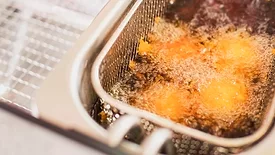
deep fryer

Researchers Use Improved Method to Detect Carcinogenic Cooking Compounds in Foods

FSM logo
Food Safety Magazine Editorial Team
September 15, 2025

Polycyclic aromatic hydrocarbons (PAHs) are carcinogenic compounds formed during cooking. A new Seoul Tech study has demonstrated the effectiveness of a streamlined analytical method to detect PAHs, which holds distinct advantages over conventional techniques.


Read More
backside view of a chemist in a lab coat working at a table full of glassware

Study Finds GRAS Carcinogenicity Data are Adequate, but Could Use a Standardized Approach

baileehendersonmay23.jpg
Bailee Henderson
August 16, 2024

A recent review of carcinogenicity data submitted to support U.S. FDA “Generally Recognized as Safe” (GRAS) determinations for food substances has shown that, although the types of carcinogenicity data are varied, safety is typically adequately evidenced. Still, a standardized approach defining which data is required to support a GRAS determination could be useful. 


Read More
steaks on flame grill

Unveiling the Hidden Dangers of Barbecue: Navigating Potential Hazards and Ensuring Food Safety

Bole
Dhruv Kishore Bole, M.B.A, PCQI, LSSGB
May 21, 2024

Barbecue is a widely enjoyed cooking style around the world; however, ingestion of heavily grilled meat, direct exposure to fumes generated while barbecuing, and improperly cooked food or poorly cleaned grills can expose people to poor health outcomes and foodborne illness risk.


Read More
bottle cap that says "diet cherry soda: artificial sweetener and flavoring"

WHO Confirms Aspartame as Possible Carcinogen, but Acceptable Daily Intake Remains Unchanged

However, FDA and industry groups disagree with WHO's determination.
July 14, 2023

The World Health Organization (WHO) has officially declared popular artificial sweetener aspartame as “possibly carcinogenic to humans," although the acceptable daily intake of 40 milligrams mg/kg of body weight remains unchanged. Additionally, FDA and industry groups disagree with WHO's determination.


Read More
white powder black background

EU Court Annuls Classification of Titanium Dioxide as a Carcinogen

baileehendersonmay23.jpg
Bailee Henderson
November 28, 2022

The Court of Justice of the European Union has ruled to annul the European Commission’s 2019 classification of titanium dioxide, which is also known as E171 and is used to add white color to foods, as a carcinogen.


Read More
FDA logo
Regulatory Watch

FDA amends carcinogenicity testing requirements

Updated regulations eliminate requirement that a sponsor conduct oral, chronic, dose-type studies.
Casey Laughman
Casey Laughman
July 27, 2017
The Food and Drug Administration is amending the regulations governing carcinogenicity testing requirements for food-producing animals.
Read More
Manage My Account
  • eMagazine Subscription
  • Subscribe to Newsletters
  • Manage My Preferences
  • Website Registration
  • Subscription Customer Service

More Videos

Sponsored Content

Sponsored Content is a special paid section where industry companies provide high quality, objective, non-commercial content around topics of interest to the Food Safety Magazine audience. All Sponsored Content is supplied by the advertising company and any opinions expressed in this article are those of the author and not necessarily reflect the views of Food Safety Magazine or its parent company, BNP Media. Interested in participating in our Sponsored Content section? Contact your local rep!

close
  • an automated industrial production line used in a modern food factory
    Sponsored byIFC

    A Formula for Food Processing Pest Management

  • fly
    Sponsored byOrkin Commercial

    Fly Control in Food Processing Facilities: Managing Seasonal Food Safety Risks

  • Darkling Beetle
    Sponsored byElanco Animal Health

    Integrated Pest Management: Protecting Poultry Operations as Seasons Change

Popular Stories

Cyclospora cayetanensis oocysts

Foodborne Parasite Cyclospora Sickens Hundreds Across U.S.

naturally colored cupcakes with sprinkles

Natural vs. Artificial Ingredients in Baking: What Food Manufacturers and Consumers Need to Know

Cyclospora cayetanensis oocyst

Cyclospora Cases Climb, But Actual Number Unclear as CDC Reporting Lags Behind States

building a skilled workforce ebook

Events

July 21, 2026

Using AI Responsibly in Food Safety Management Systems

Live: July 21, 2026 at 2:00 pm EDT: This webinar will provide participants with guidance on how to effectively use generative artificial intelligence (AI) tools to develop key components of a food safety management system (FSMS).

August 6, 2026

Beyond Sanitation: Understanding the Hidden System Conditions That Allow Pathogens to Persist

Live: August 6, 2026 at 2:00 pm EDT: Attend this webinar to learn strategies for strengthening environmental control programs through a layered approach to pathogen management.

August 11, 2026

Beyond Sanitization: Reducing Contamination Risk Without Raising Operating Cost

Live: August 11, 2026 at 2:00 pm EDT: Attend this webinar to learn why ambient air is the largest and most overlooked contamination zone in food processing, and what it costs you between scheduled cleans.

View All

Products

Global Food Safety Microbial Interventions and Molecular Advancements

Global Food Safety Microbial Interventions and Molecular Advancements

See More Products

Never miss the latest news and trends driving the food safety industry

Newsletters | Website | eMagazine

JOIN TODAY!
  • RESOURCES
    • Advertise
    • Contact Us
    • Directories
    • Store
    • Want More
  • SIGN UP TODAY
    • Create Account
    • eMagazine
    • Newsletters
    • Customer Service
    • Manage Preferences
  • SERVICES
    • Marketing Services
    • Reprints
    • Market Research
    • List Rental
    • Survey/Respondent Access
  • STAY CONNECTED
    • LinkedIn
    • Facebook
    • Instagram
    • X (Twitter)
  • PRIVACY
    • PRIVACY POLICY
    • TERMS & CONDITIONS
    • DO NOT SELL MY PERSONAL INFORMATION
    • PRIVACY REQUEST
    • ACCESSIBILITY

Copyright ©2026. All Rights Reserved BNP Media, Inc. and BNP Media II, LLC.

Design, CMS, Hosting & Web Development :: ePublishing