
Articles by Abigail Snyder Ph.D.
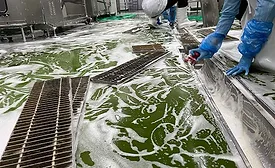
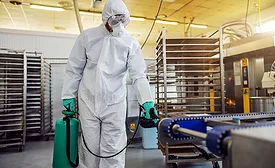
The Limits of 'Dry' Sanitizers in Low-Moisture Environments
Many dry sanitizers still introduce some moisture into the environment, particularly in difficult-to-clean crevices where pathogens can persist
Read More

In Dry Processing Environments, Treat Water Like Glass
The way we manage glass is the way we should manage moisture in dry and low-moisture food production environments
Read More

The Real Microbial Reduction Step is Cleaning
In most cases, greater microbial reduction comes from cleaning than from sanitizing
Read More
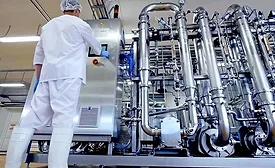
In Dry Environments, Wet Sanitation Isn't the Answer—It's the Issue
Despite the appeal of water as a "more thorough" sanitation method, moisture behaves very differently in dry facilities than may be expected
Read More