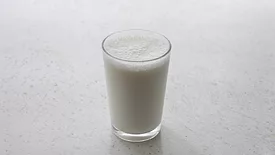
In light of the ongoing Highly Pathogenic Avian Influenza (HPAI) H5N1 outbreak that has been affecting dairy cattle herds in the U.S., the Canadian Food Inspection Agency (CFIA) sampled and tested milk at retail to determine the presence of HPAI viral fragments.
The Food Traceability Enhancement Act, recently introduced to U.S. Congress, aims to “strengthen compliance” with FSMA 204/the Food Traceability Final Rule through several key changes to its implementation.
The European Food Safety Authority (EFSA) recently suggested lowering the acceptable daily intake (ADI) for acetamiprid after scientific evidence was published that raised uncertainties about its toxicity. EFSA also recommends lowering the existing maximum residue levels (MRLs) for acetamiprid in food crops, as current MRLs pose a health risk to consumers.
The Food and Agriculture Organization of the United Nations (FAO) and the Singapore Food Agency (SFA) have published a joint scientific review on novel food sources and production systems, such as edible insects, cell-based foods, plant-based proteins, and other products.
In a May 16 webinar, a USDA official revealed some findings from the agency’s ongoing testing of beef products for viable Highly Pathogenic Avian Influenza (HPAI) H5N1 virus.
A study has identified significant deficiencies in existing quantitative risk assessment models for Listeria monocytogenes on produce, such as failure to consider important contamination factors in primary production, among other gaps.
FDA has released its Food Code Adoption Report, which states that, as of December 31, 2023, only three U.S. states and two territories have adopted the most recent version (2022).
Forward processing of leafy greens crops does not significantly increase the food safety risk posed by Escherichia coli, suggests a recent study led by a USDA Agricultural Research Service (USDA-ARS) scientist and funded by the Center for Produce Safety.
The U.S. Department of Agriculture (USDA) has awarded $611,000 to University at Albany researchers to develop a rapid, portable, colorimetric Salmonella detection kit for food products.
As part of the U.S. Food and Drug Administration’s (FDA’s) continued efforts to more systematically and transparently review and regulate food additives, the agency has reassessed and revoked the Generally Recognized as Safe (GRAS) determination for tara flour. The ingredient is not authorized for use in food.
 RSS
RSS