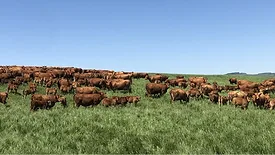
The order, aimed at expanding market access for U.S. meat producers, focuses on growing existing state inspection programs and state–federal agreements. It also calls for “sharpening inspection to focus on core food safety” and removing “overly prescriptive” USDA-FSIS requirements.
In August 28 social media posts, President Trump and USDA Secretary Rollins alluded to plans to give ranchers and farmers the ability to process their own meats and other efforts to cut “red tape.” Industry groups said these actions would jeopardize food safety and consumer confidence.
New Zealand Food Safety has issued new guidance for verifying multi-site food businesses, establishing consistent onsite sampling recommendations for verifiers, intended to reduce costs and increase certainty for industry while ensuring food safety.
The accreditation from COFRAC, France’s sole national accreditation body, covers inspections to assess food safety and quality practices at food retail establishments.
According to the ruling, the UK Food Standards Agency (FSA) included certain costs in its meat controls hourly rate and enforcement rate that were outside the scope of permissible charges under the applicable official controls legislation.
In a new peer-reviewed article, researchers make a case for linking data from both routine foodservice establishment inspections and foodborne illness surveillance, while acknowledging existing challenges, like inconsistent adoption of FDA’s Food Code and electronic data collection systems.
Piloting of these assessments began in April and will continue through fiscal year 2026 at facilities across FDA inspectorates, including human and animal foods. The assessments are short, focused screening assignments that complement standard FDA inspections.
Contaminants don't belong in your food. Choosing the wrong X-ray detector costs you time, money, and reputation. Here's six key factors to consider before selecting one for your production line.
Working toward an Integrated Food Safety System, by 2030, FDA expects the Better Regulatory Inspections for Dynamic Government Efficiency (BRIDGE) Project to accomplish a more coordinated, data-driven model for domestic food safety oversight across federal and state systems.
FDA’s Human Foods Program specifically would receive a significant increase in funding compared to the previous fiscal year (FY), including $25 million to help address chemical contaminants and additives like PFAS, toxic heavy metals, and GRAS ingredients.
 RSS
RSS