Food Safety
search
Ask Food Safety AI
cart
facebook twitter linkedin instagram youtube
  • Sign In
  • Join Today
  • Sign Out
  • My Account
Food Safety
  • NEWS
    • Latest News
    • Food Safety Five Newsreel
  • PRODUCTS
  • TOPICS
    • Contamination Control
    • Food Types
    • Management
    • Process Control
    • Regulatory
    • Sanitation
    • Supply Chain
    • Testing and Analysis
  • PODCAST
  • EXCLUSIVES
    • eBooks
    • Sponsored Insights
    • Sponsored White Papers
    • FSM Distinguished Service Award
    • Interactive Product Spotlights
    • Videos
  • MORE
    • BUYER'S GUIDE
    • Store
    • ASK FSM AI
  • WEBINARS
  • FOOD SAFETY SUMMIT
  • FSM FEATURES
    • FSM Features Collection
    • eMag Archives
    • Op-Eds
    • Editorial Advisory Board
    • Contact
    • Advertise
  • JOIN
Home » Topics » Food Type » Seafood

Seafood
Seafood RSS Feed RSS

shellfish

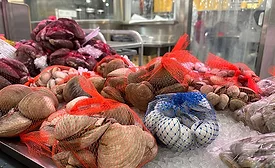
Guiding Principles of Shellfish Safety

The harvest, holding, transport, and sale of shellfish are tightly regulated in the U.S. to reduce the risk of foodborne illness to consumers
Linda J. ODierno Michael Ciaramella Bob Rheault
April 10, 2023

Shellfish are filter feeders, and may concentrate microorganisms (bacteria and viruses), as well as natural toxins and chemicals if they are present in the growing waters. The current National Shellfish Sanitation Program (NSSP) dictates uniform requirements that every state must meet, with federal oversight provided by the U.S. Food and Drug Administration (FDA). States are required by the NSSP to maintain minimum sanitation standards addressing issues such as water quality monitoring, harvest area enforcement, training of harvesters and dealers, processing, shipping, and handling.


Read More
shrinp fda overlay

FDA Releases Report on Work to Ensure Food Safety of Imported Seafood

March 21, 2023

The U.S. Food and Drug Administration (FDA) has released a report, titled, Activities for the Safety of Imported Seafood. The document shares the steps that FDA is taking to ensure that seafood imported to the U.S. meets food safety requirements and the standards of domestically produced seafood.   


Read More
man on a commercial fishing boat

FAO, WHO Report on Safe Use, Reuse of Water in Fish Industry

March 17, 2023

The Food and Agriculture Organization of the United Nations (FAO) and World Health Organization (WHO) have published a Joint FAO/WHO Expert Meetings on Microbiological Risk Assessment (JEMRA) report on the safety and quality of water used in the production and processing of fish and fishery products.


Read More
raw salmon fillet and asparagus on baking tray

FAO/WHO Call for Experts to Deliberate Fish Health Benefits vs. Food Safety Risks

March 8, 2023

The Food and Agriculture Organization of the United Nations (FAO) and the World Health Organization (WHO) have put out a call for experts for the Joint FAO/WHO Expert Consultation on the Risks and Benefits of Fish Consumption.


Read More
fish swimming

Alternatives to Antibiotics in Aquaculture Exist and Need Investment, Say Researchers

March 2, 2023

There are viable alternatives to antimicrobial use in aquaculture that need proper investment, according to recent research supported by the Food and Agriculture Organization of The United Nations (FAO) and the Norwegian Agency for Development Cooperation (Norad).


Read More
person holding can of tuna

Levels of Mercury in Tuna Cans Inconsistent, Says Consumer Reports

February 9, 2023

Consumer Reports (CR) recently tested canned tuna from popular brands, and observed varying levels of mercury, a toxic heavy metal found in foods, on a can-to-can basis.


Read More
tuna on ice

NOAA Expands Seafood Import Monitoring to Combat Seafood Fraud

February 6, 2023

The U.S. National Oceanic and Atmospheric Administration Fisheries (NOAA Fisheries) has announced a proposed rule to expand the Seafood Import Monitoring Program (SIMP), a risk-based program for targeted species of seafood imported into the U.S.


Read More
man carrying fish

How Food Manufacturers Have Responded to the COVID-19 Pandemic—Part 2

Six of the seven facilities assessed reported a "noticeable" or "significant" improvement in food safety culture behaviors of workers
Tori L. Stivers Sidney B. Shepherd Jr.
February 6, 2023

Small food manufacturers, defined as those with less than 500 full-time employees, have experienced significant challenges to operate and supply food during the COVID-19 pandemic. To better support small manufacturers in Georgia, the University of Georgia Marine Extension and the Georgia Sea Grant conducted free, onsite COVID-19 assessments at seven seafood processing/distributing facilities through the first five months of 2021. Completed assessment reports and recommendations are summarized in this article. Manufacturers demonstrated remarkable adaptability to protect workers and avoid closing, despite supply shortages and continually changing public health guidance.


Read More
nori up close

Nordic Countries Work Toward Common Approach to Seaweed Food Safety

January 24, 2023

A joint Nordic project has just ended with a report that focuses on the chemical and microbiological hazards associated with seaweed as a food. The project aims to develop a common Nordic approach to seaweed food safety risk management.


Read More
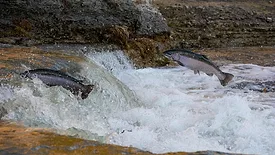
salmon jumping upstream in a river

One Serving of Freshwater Fish Equivalent to Drinking PFAS-Contaminated Water for a Month, U.S. Study Finds

Bailee Henderson headshot
Bailee Henderson
January 20, 2023

A recent study has raised alarm bells regarding the levels of per- and polyfluoroalkyl substances (PFAS) in U.S. freshwater fish, with findings suggesting that consuming a single serving of fish could have the same effect as drinking heavily PFAS-contaminated water for a month.


Read More
Previous 1 2 … 6 7 8 9 10 11 12 13 14 Next
Manage My Account
  • Join Food Safety Magazine
  • Manage My Preferences
  • Customer Service

More Videos

Sponsored Content

Sponsored Content is a special paid section where industry companies provide high quality, objective, non-commercial content around topics of interest to the Food Safety Magazine audience. All Sponsored Content is supplied by the advertising company and any opinions expressed in this article are those of the author and not necessarily reflect the views of Food Safety Magazine or its parent company, BNP Media. Interested in participating in our Sponsored Content section? Contact your local rep!

close
  • pre-packaged salads, noodles, and prepared meals stocked on multi-tier grocery store refrigerator shelves
    Sponsored byCorbion

    How Many Days of Shelf Life Are You Leaving on the Table?

  • Top view portrait of two factory workers standing by conveyor belt during quality inspection at food production, copy space
    Sponsored byFlexXray

    Foreign Material By the Numbers: What the 2026 Benchmark Report Reveals

  • a conveyorized industrial metal detector system that appears to resemble a Loma Systems IQ4 Metal Detector setup with an integrated conveyor belt and control panel for food or package inspection.
    Sponsored byMettler Toledo

    Beyond Detection: How to Avoid Physical Contamination in Food Through a Smarter Inspection Strategy

Popular Stories

Heidi Overton

White House Pulls Dr. Heidi Overton as Nominee for FDA Commissioner

food safety scientists and microbiologists working in a laboratory to test food and microbiological samples

The Challenge of Addressing Hidden Chemical Food Risks

AI on a smartphone

How FDA’s Human Foods Program Is Using AI to Support Food Safety Oversight

AI and Advanced Analytics ebook

Events

December 2, 2026

Beyond Surface Clean: Tackling Biofilms and Persistent Pathogens

Live: December 2, 2026 at 11:00 am EST: Attend this webinar to understand why chlorine dioxide is not chlorine, and what “ultra-pure” means for residues, byproducts, and effectiveness.

December 3, 2026

How to Use AI to Improve Workforce Training

Live: December 3, 2026 at 11:00 am EST: This webinar will cover best practices for reviewing, refining, and governing AI-generated training content for accuracy and consistency.

December 8, 2026

Best Practices for Responding to a Foodborne Outbreak Investigation

Live: December 8, 2026 at 2:00 pm EST: Attendees will gain practical insight into the roles and expectations of industry and government during foodborne illness investigations, and how effective collaboration can support timely investigations and the best possible public health outcome.

View All

Products

Global Food Safety Microbial Interventions and Molecular Advancements

Global Food Safety Microbial Interventions and Molecular Advancements

See More Products

Never miss the latest news and trends shaping the food safety industry

Newsletters | Website | FSM Features Collection

JOIN TODAY!
  • RESOURCES
    • Advertise
    • Contact Us
    • Directories
    • Store
  • JOIN TODAY
    • Create Account
    • FSM Features Collection
    • Newsletters
    • Customer Service
    • Manage Preferences
  • SERVICES
    • Marketing Services
    • Reprints
    • Market Research
    • List Rental
    • Survey/Respondent Access
  • STAY CONNECTED
    • LinkedIn
    • Facebook
    • Instagram
    • X (Twitter)
    • YouTube
  • PRIVACY
    • PRIVACY POLICY
    • TERMS & CONDITIONS
    • DO NOT SELL MY PERSONAL INFORMATION
    • PRIVACY REQUEST
    • ACCESSIBILITY

Copyright ©2026. All Rights Reserved BNP Media, Inc. and BNP Media II, LLC.

Design, CMS, Hosting & Web Development :: ePublishing