Food manufacturers have long understood that training underpins food safety. Yet despite decades of effort and increasing regulatory pressure, many organizations still struggle to translate training into consistent on-the-floor behaviors.
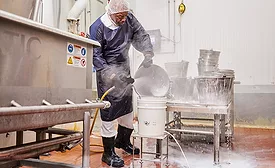
Sanitation teams in food production facilities must remove stubborn residues while meeting strict hygiene requirements and maintaining production timelines.
Realizing measurable improvement in food safety performance rests largely on the culture of your company. Dedicated investment in optimizing your organization's food safety culture—from the boardroom to the warehouse, and throughout your entire supply chain—offers significant returns in the form of regulatory compliance, mitigated recall risk, enhanced consumer trust, and a more skilled and invested workforce.
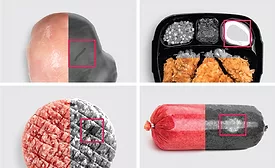
Contaminants don't belong in your food. Choosing the wrong X-ray detector costs you time, money, and reputation. Here's six key factors to consider before selecting one for your production line.
Food Radar Systems, based in Gothenburg, Sweden, develops microwave-based foreign body detection for pumpable food products, helping manufacturers detect contaminants such as soft plastic, rubber, and wood that are often difficult to find with conventional inspection systems.
April 13, 2026
Food Radar Systems develops microwave-based foreign body detection technology for pumpable food products, helping manufacturers improve contamination control, food safety, and quality assurance across modern processing lines.
What Manual Documentation is Really Costing Your Food Safety Program
April 8, 2026
Most food manufacturers know that documentation matters. Few have stopped to calculate what poor documentation is costing them—in time, in audit exposure, and in the operational intelligence they can't yet use.