Food Safety
search
Ask Food Safety AI
cart
facebook twitter linkedin instagram youtube
  • Sign In
  • Join Today
  • Sign Out
  • My Account
Food Safety
  • NEWS
    • Latest News
    • Food Safety Five Newsreel
  • PRODUCTS
  • TOPICS
    • Contamination Control
    • Food Types
    • Management
    • Process Control
    • Regulatory
    • Sanitation
    • Supply Chain
    • Testing and Analysis
  • PODCAST
  • EXCLUSIVES
    • eBooks
    • Sponsored Insights
    • Sponsored White Papers
    • FSM Distinguished Service Award
    • Interactive Product Spotlights
    • Videos
  • MORE
    • BUYER'S GUIDE
    • NEWSLETTERS >
      • Archive Issues
      • Subscribe to eNews
    • Store
    • ASK FSM AI
  • WEBINARS
  • FOOD SAFETY SUMMIT
  • FSM FEATURES
    • FSM Features Collection
    • eMag Archives
    • Editorial Advisory Board
    • Contact
    • Advertise
  • JOIN
Home » Topics » Contamination Control

Contamination Control
Contamination Control RSS Feed RSS

assorted cured meats on a plate

Industry Has Two Years to Adapt to New EU Limits for Use of Nitrites, Nitrates as Food Additives

FSM logo
Food Safety Magazine Editorial Team
October 9, 2023

The European Commission has set significantly stricter limits for the use of nitrites and nitrates as food additives to reduce consumer exposure to carcinogenic nitrosamines. EU food business operators have two years to adapt to the new limits.


Read More
skittles on a reflective surface

California Food Safety Act Signed Into Law, Officially Banning Four Toxic Additives by 2027

Bailee Henderson headshot
Bailee Henderson
October 9, 2023

The California Food Safety Act—statewide legislation that bans the sale of foods containing red dye 3, potassium bromate, brominated vegetable oil, and propylparaben—was signed into California law by Governor Gavin Newsom on October 7, 2023.


Read More
store shelf with gum and breath mints

Study Supports Food Safety of Titanium Dioxide, Addresses Data Gaps

Bailee Henderson headshot
Bailee Henderson
October 6, 2023

A recent study conducted by the Japanese National Institute of Health Sciences has filled data gaps about and provided support for the safety of titanium dioxide as a food additive.


Read More
infant formula powder pink background fda logo overlay

FDA Updates Infant Formula Compliance Program, Puts Emphasis on Cronobacter, Salmonella

FSM logo
Food Safety Magazine Editorial Team
October 6, 2023

The U.S. Food and Drug Administration (FDA) has updated its infant formula compliance program, which outlines the agency’s approach to inspections, sample collection, sample analysis, and compliance activities for FDA personnel, with a focus on Cronobacter and Salmonella contamination.


Read More
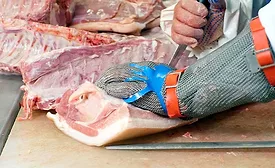
cutting steak

Pork and Prejudice: How the Industry's Science-Driven Approach Outshines Salmonella Standards in the Pursuit of Improving Public Health

Regardless of the proposed Salmonella performance standards, the pork industry has consistently taken proactive measures to address and mitigate Salmonella contamination risks for years
Wade Fluckey, Ph.D. Thomas Boyd Mindy Brashears Ph.D.
October 6, 2023

Data have allowed the pork industry to understand risk points in slaughter and processing, as well as the highest-risk products and how Salmonella changes throughout the process. The collective goal is to promote universal food safety knowledge, improve human health, and, thus, contribute to USDA's ambitious target of achieving a 25 percent reduction in salmonellosis cases by 2030.


Read More
small low-flying plane spraying chemicals on crops

Glyphosate Use Must Be Curbed, But Alternatives Might Pose Equal Food Safety Risk

FSM logo
Food Safety Magazine Editorial Team
October 5, 2023

Although the use of glyphosate on crops poses a food safety risk and its use should be curbed, completely banning the substance too early may lead to farmers using chemical alternatives that are just as harmful to human and environmental health, according to experts from Wageniningen University and Research (WUR).


Read More
woman working

Food Safety Insights: Food Safety Priorities—Getting ‘Back to Basics'

Pandemic disruptions prevented a greater focus on fundamental issues, to which processors are now returning
Bob Ferguson
Bob Ferguson
October 5, 2023

In this Food Safety Insights column, we continue to explore processors' near-term priorities for food safety programs, as well as the regulations and issues they are watching that will have the most impact on their programs in the future. Food safety culture, microbiological control (including environmental monitoring), and sanitation and hygiene are three of processors' indicated top priorities for the near term.


Read More
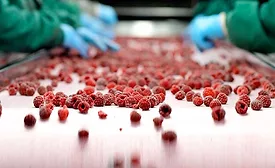
berries

Are ‘Standard’ Methods to Detect Non-Cultivable Pathogens in Food and the Environment Fit For Purpose?

Food system stakeholders face inherent challenges in managing non-cultivable foodborne pathogens
Lee-Ann Jaykus, Ph.D.
Jennifer McEntire
Jennifer McEntire, Ph.D.
Donald W. Schaffner, Ph.D. Sanjay Gummalla, Ph.D.
October 5, 2023

Non-cultivable foodborne pathogens, such as enteric viruses and protozoan parasites like Cyclospora, present unique challenges in our food system due to significant limitations in sampling and detection. This article covers the methodological drawbacks of current methods related to interpretation of results and public health risk, while offering alternative food safety management principles to address the prevalence of these pathogens in food.


Read More
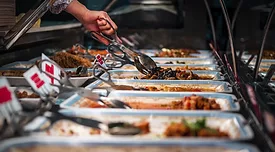
person using tongs at a buffet

Foodborne Illnesses in Sweden Return to Pre-Pandemic Levels, Mostly Caused by Vegetables, Buffets

FSM logo
Food Safety Magazine Editorial Team
October 4, 2023

The number of cases has returned to pre-pandemic levels, reports Livsmedelsverket (known as the Swedish Food Agency in English). Vegetables and buffet food are the most common causes of food poisoning.


Read More
scientist holding different food ingredients in lab setting

Tool Helps Industry Reverse-Engineer Foods Considering Safety, Sustainability, Other Criteria

FSM logo
Food Safety Magazine Editorial Team
October 3, 2023

Scientists from Wageningen University and Research have created a model that considers multiple criteria to help industry reverse-engineer foods that are palatable, nutritious, sustainable, safe, and economically viable.


Read More
Previous 1 2 … 129 130 131 132 133 134 135 136 137 … 211 212 Next
Manage My Account
  • Join Food Safety Magazine
  • Manage My Preferences
  • Customer Service

More Videos

Sponsored Content

Sponsored Content is a special paid section where industry companies provide high quality, objective, non-commercial content around topics of interest to the Food Safety Magazine audience. All Sponsored Content is supplied by the advertising company and any opinions expressed in this article are those of the author and not necessarily reflect the views of Food Safety Magazine or its parent company, BNP Media. Interested in participating in our Sponsored Content section? Contact your local rep!

close
  • pre-packaged salads, noodles, and prepared meals stocked on multi-tier grocery store refrigerator shelves
    Sponsored byCorbion

    How Many Days of Shelf Life Are You Leaving on the Table?

  • Top view portrait of two factory workers standing by conveyor belt during quality inspection at food production, copy space
    Sponsored byFlexXray

    Foreign Material By the Numbers: What the 2026 Benchmark Report Reveals

  • a conveyorized industrial metal detector system that appears to resemble a Loma Systems IQ4 Metal Detector setup with an integrated conveyor belt and control panel for food or package inspection.
    Sponsored byMettler Toledo

    Beyond Detection: How to Avoid Physical Contamination in Food Through a Smarter Inspection Strategy

Popular Stories

supermarket freezers

Another Wave of Refrigerator Cyberattacks Sweeps European Grocery Stores, Causing More Food Losses

dino nuggets and ketchup

WHO Proposes Food Profiling Model to Inform Regulation of Ultra-Processed Foods

Cleaning floor drain during wet sanitation

Practical Guidelines for Choosing Between Dry and Wet Sanitation

allergens ebook

Events

November 12, 2026

From Data Overload to Actionable Food Safety Risk Intelligence

Live: November 12, 2026 at 11:00 am EST: This webinar explores how data integration, advanced analytics, and digital technologies can help transform disparate information into meaningful risk intelligence.

November 17, 2026

Are You Getting the Most from Your Food Safety Testing?

Live: November 17, 2026 at 11:00 am EST: Attend this webinar to explore practical ways food processors can modernize sanitation verification and microbiological testing while keeping workflows simple and effective.

December 2, 2026

Beyond Surface Clean: Tackling Biofilms and Persistent Pathogens

Live: December 2, 2026 at 11:00 am EST: Attend this webinar to understand why chlorine dioxide is not chlorine, and what “ultra-pure” means for residues, byproducts, and effectiveness.

View All

Products

Global Food Safety Microbial Interventions and Molecular Advancements

Global Food Safety Microbial Interventions and Molecular Advancements

See More Products

Never miss the latest news and trends shaping the food safety industry

Newsletters | Website | FSM Features Collection

JOIN TODAY!
  • RESOURCES
    • Advertise
    • Contact Us
    • Directories
    • Store
  • JOIN TODAY
    • Create Account
    • FSM Features Collection
    • Newsletters
    • Customer Service
    • Manage Preferences
  • SERVICES
    • Marketing Services
    • Reprints
    • Market Research
    • List Rental
    • Survey/Respondent Access
  • STAY CONNECTED
    • LinkedIn
    • Facebook
    • Instagram
    • X (Twitter)
    • YouTube
  • PRIVACY
    • PRIVACY POLICY
    • TERMS & CONDITIONS
    • DO NOT SELL MY PERSONAL INFORMATION
    • PRIVACY REQUEST
    • ACCESSIBILITY

Copyright ©2026. All Rights Reserved BNP Media, Inc. and BNP Media II, LLC.

Design, CMS, Hosting & Web Development :: ePublishing