To protect the health of young children, the Baby Food Safety Act of 2024 has been introduced in U.S. Congress to give FDA the authority to enforce scientifically established limits on heavy metals in commercially produced infant and toddler food.
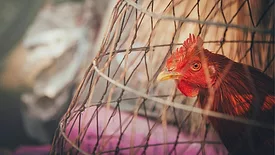
A recent study found high levels of antimicrobial resistance (AMR) among Escherichia coli on raw chicken meat sold at retail in the UK, as well as in chicken-based raw dog food samples—with almost half of samples resistant to critically important antibiotics.
A recent study comparing the presence of chemical contaminants in conventionally and hydroponically grown produce found pesticide residues and toxic heavy metals in a larger number of conventional samples than in hydroponic samples. Phthalate levels were consistent between conventional and hydroponic samples.
As the platinum sponsor of the 2024 Food Safety Summit, NOMADX Holdings LLC has unveiled at the event an early access program for its portable NOMADX platform for onsite foodborne pathogen detection.
An EU project that monitors contaminants in important Mediterranean fishing regions/seafood species has discovered concerning levels of microplastics in the guts and stomachs of some fish.
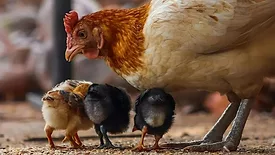
Researchers at NC State University compared poultry broiler farms of various sizes and found higher rates of Salmonella at large commercial operations than at small backyard farms; however, multidrug-resistant Salmonella were found in samples from both types of farm.
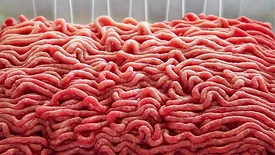
While stressing that the U.S. meat supply is safe, USDA has revealed that it is testing ground beef at retail for the presence of Highly Pathogenic Avian Influenza (HPAI) H5N1—also known as “bird flu”—in light of the ongoing outbreak among cattle.
The Food and Agriculture Organization of the United Nations (FAO) has announced the launch of the Reduce the Need for Antimicrobials on Farms for Sustainable Agrifood Systems Transformation (RENOFARM) initiative, a global 10-year effort to mitigate the growing public health threat that is antimicrobial resistance (AMR).
In this bonus episode of Food Safety Matters, we speak with Dr. Alissa Welsher, Associate Senior Consultant at Elanco Poultry Food Safety, about the importance of pest management to poultry safety; specifically, for the control of darkling beetles, which can be an important source of Salmonella in poultry production operations.
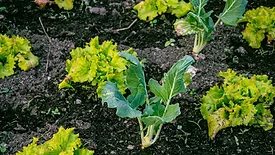
To help predict and mitigate the presence of Escherichia coli and other foodborne pathogens on lettuce, a new weather-based model has been developed by USDA-ARS researchers and collaborators.
 RSS
RSS