The U.S. Department of Agriculture’s Food Safety and Inspection Service (USDA-FSIS) has announced changes to its leadership team with a new Agency Administrator and Assistant Administrator in the Office of Investigation, Enforcement, and Audit.
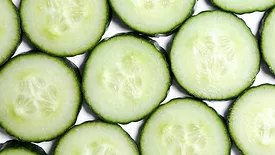
A Salmonella Typhimurium outbreak linked to Mexican-grown cucumbers has caused 68 illnesses and 18 hospitalizations in 19 states. A recall has been initiated by distributor SunFed Produce LLC.
Recent research efforts by the European Food Safety Authority (EFSA) to support novel food risk assessments include a study of the effects that processing methods for novel and genetically modified foods can have on proteins, as well as the development of a fit-for-purpose, in vitro toxicity assessment approach for novel proteins.
The Dutch National Institute for Public Health and the Environment has proposed a standardized approach for calculating the burden of disease for chemicals in food, calling it “not easy.”
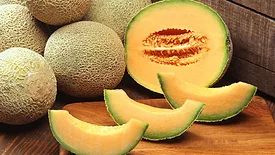
An analysis of salmonellosis outbreaks linked to melons showed cantaloupes to have a higher public health burden than other melons, and revealed factors that may contribute to more severe outbreaks.
A letter written to the U.S. Food and Drug Administration (FDA) by 23 members of Congress urges the agency to ban from food use red dye 3, a controversial synthetic colorant that is potentially harmful to human health.
A survey of municipal drinking water in the U.S. has revealed the pervasive presence of a little-understood contaminant, chloronitramide anion. The researchers call for urgent research into its toxicity—especially considering its structural similarity to other toxic compounds.
In a recent independent report evaluating popular restaurant chains’ policies on antibiotics in meat, many chains received a failing grade, while only one received an A+.
A recent project led by Purdue University researchers has identified challenges to food safety in the low-moisture food industry, ranging from culture-based barriers to hygienic design and hesitance adopting food safety technologies.
 RSS
RSS