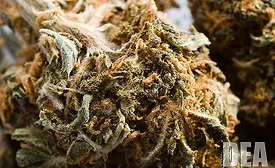
While more U.S. states continually pass recreational and medical cannabis legislation, opening the door to use of cannabis for personal and health-related reasons, from a national perspective, regulatory authorities lack a centralized, cohesive structure.
In the U.S., there are 33 states, plus the District of Columbia, with some form of legal cannabis for medicinal purposes, and 10 states that allow it for recreational use. However, when it comes to specifying the level of THC, CBD, terpenes and the other 80 or so constituent components in cannabis, there's a smorgasbord of rules and regulations.
The FDA held a public hearing on May 31 to solicit oral presentations and comments in order to obtain scientific data and information about the safety, manufacturing, product quality, marketing, labeling and sale of products containing cannabis or cannabis-derived products.
Food Safety Strategies recently was able to talk with Karen Burns, from San Francisco Bay Area tax and consulting firm Sensiba San Filippo, about blockchain and Congress's new labeling requirements.
Unless your facility is a USDA shop, then it most likely falls under FSMA regulations, which for the vast majority of processors is the law of the land. If you haven’t yet been visited by FDA for an audit, it is past time to get ready for that inevitable moment. I asked Ib Elandaloussi (CAL), Food and Consumer Products Group with Burns and McDonnell to talk briefly about designing facility solutions to meet FSMA rules.
USDA's FSIS and FDA released a formal agreement to address the regulatory oversight of human food products derived from the cells of livestock and poultry, which describes the oversight roles and responsibilities for both agencies and how they will collaborate to regulate the development and entry of these products into commerce.
Under the Intentional Adulteration rule, domestic and foreign food facilities are required to complete and maintain a written food defense plan that assesses their potential vulnerabilities to deliberate contamination where the intent is to cause wide-scale public health harm.