This article explores the applications of chemometrics in food safety, including contamination detection, fraud prevention, quality assessment, and regulatory compliance.
By integrating regulatory mandates with strong internal controls and industry best practices, spice manufacturers can enhance food safety and maintain the integrity of their products
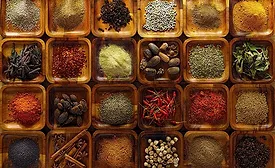
Spices are sourced from various regions worldwide, often involving multiple suppliers, diverse agricultural practices, and differing regulatory standards. These complexities increase the risk of contamination, adulteration, and foodborne illnesses. Effectively managing these risks requires a thorough understanding of the international supply chain and the vulnerabilities that exist at each stage.
The UK National Food Crime Unit’s (NFCU's) Control Strategy for 2025–2026 outlines the unit’s current food crime priorities, bringing focus to its efforts to “prevent food crime, deter and disrupt food criminals, and bring offenders to justice.”
Food safety experts say the ability to enter and search premises immediately following the arrest of food fraud suspects will make it much more difficult for criminals to dispose of incriminating evidence and cover their tracks.
To combat food fraud and reduce instances of scombroid poisoning due to histamine contamination, a new European Commission draft regulation would tighten regulations for freezing tuna onboard vessels.
In an April 25 speech, UK Food Standards Agency (FSA) Chief Executive Katie Pettifer described efforts FSA is taking to improve meat industry regulation, including supporting the adoption of new technologies, negotiating international trade agreements, addressing inspector and veterinarian workforce shortages, evaluating inspection charge discounts, and tackling food crime.
Protecting Italian honey authenticity and combatting food fraud, the Italian Standards Body’s (UNI’s) new UNI 11972 standard introduces a new analytical method for detecting honey adulteration based in Nuclear Magnetic Resonance technology.
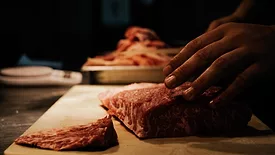
After an investigation by the UK Food Standards Agency, four men and one business have been convicted for diverting meat and animal byproducts that were deemed unsafe for human consumption back into the human food market.
In April, the Institute of Food Technologists (IFT) will host a four-part virtual workshop series on food fraud prevention, with a focus on supply chain disruptions and Enterprise Risk Management. The workshop will be led by food fraud expert John Spink, Ph.D.
The latest UK Food Security Report (UKFSR) has been published by the UK Government. A trend noted in the report is that, despite Campylobacter causing the most foodborne illnesses, outbreak detection is hindered by the lack of a required national typing scheme.