In light of a recent investigation that found nearly half of honey imported to the EU is adulterated, UK researchers have demonstrated the promise of two innovative techniques—DNA barcoding and spatial offset Raman Spectroscopy—for detecting sugar adulterants in honey.
The UK Food Standards Agency (FSA) recently published the 2024 Food Crime Strategic Assessment. Since the last report in 2020, the UK food supply chain has faced significant disruptions, causing the food crime landscape to change and creating new opportunities for fraud.
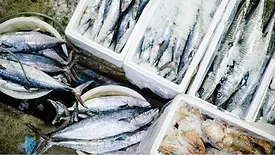
A recent evaluation of the UK post-harvest seafood supply chain has pinpointed factors that leave the nation’s seafood supply vulnerable to food fraud, with third-party certification identified as the most important factor associated with a company’s level of defense against food crime.
The European Commission is taking strides to improve honey authenticity, including setting new origin labeling requirements, and the development of harmonized traceability requirements and improved methods of composition analysis and origin tracing. The Commission is assembling a group of experts called the “Honey Platform” to advise this work and is accepting applications.
A recent publication from the World Trade Organization (WTO)—written in collaboration with other expert groups that have expertise in food safety and food crime—explores the challenges of combating food fraud and illegal practices in food trade, and how the WTO rulebook can help address these challenges.
Results of sampling and testing of imported honey for signs of economically motivated adulteration conducted by the U.S. Food and Drug Administration (FDA) in 2022–2023 has revealed only 3 percent of samples to be violative.
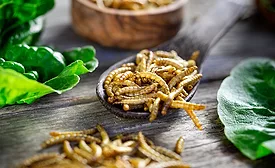
A recent study has mapped the edible insect supply chain to identify the main points for potential food safety hazards and food fraud, and concluded that, in general, substantial food safety and authenticity gaps need to be addressed before edible insects can be considered safe and sustainable protein sources for Western markets.