This episode of Food Safety Five covers a novel detection method for Clostridium botulinum and a potential new processing approach to mitigate contamination, as well as growing discussion around how C. botulinum should be handled in infant formula manufacturing, spurred by recent botulism outbreaks.
The Trump Administration’s Department of Justice “does not believe in regulation by prosecution,” a spokesperson told the Wall Street Journal, aligning with a May 2025 Executive Order that “strongly discourages” criminal prosecution of any regulatory offense not explicitly identified by the Administration.
ByHeart-commissioned research shows the currently accepted “gold standard” for Clostridium botulinum detection in powdered formula, SRC enumeration, may fail to catch contamination. It is used by many formula brands, including Nara Organics, another company linked to an infant botulism outbreak. Following this finding, third-party IEH Labs developed a novel detection method.
For a time, ByHeart Nutrition and Nara Organics both used Organic West milk dried by Dairy Farmers of America in their infant formula products (confirmed by Food Fix). Both brands have been implicated in botulism outbreaks that occurred within months of each other.
New ByHeart-commissioned research suggests that sulfite-reducing clostridia (SRC) enumeration, the “gold-standard” test for C. botulinum in powdered infant formula, which was used by Nara Organics prior to the ongoing outbreak, is insufficient. Experts who spoke to Food Safety Magazine agree C. botulinum should be considered as a foreseeable hazard requiring specific preventive controls.
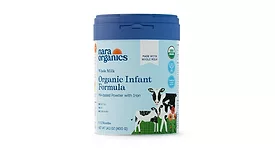
Three babies in three states have been sickened in the second infant botulism outbreak identified since late-2025. All patients were fed Nara Organics Whole Milk Infant Formula. A recall has been issued, and product testing is underway.
Following a high-profile, global recall of infant formulas due to cereulide contamination in early 2026, the European Commission is drafting an act that would introduce additional checks for the toxin in formulas.
The New York bill is awaiting the Governor’s signature, while the California bill advances from the Assembly to the Senate. The bills would require baby food and infant formula manufacturers to regularly test their products for toxic heavy metals and disclose results.
FDA did not identify deficiencies in ByHeart’s production facilities that could explain the outbreak, but a powdered milk ingredient did test positive for C. botulinum. ByHeart is developing an action plan based on data generated from the investigations.
On May 26, Vermont Governor Phil Scott signed into law two bills related to food chemical safety; specifically, the nation’s first state-level ban on paraquat (H.739) and legislation setting heavy metals testing and disclosure requirements for baby food manufacturers (H.536).