We have been monitoring the relationships between food processors and regulators for a number of years. Our attention to this topic started with the implementation of FSMA to watch the evolution of the FDA's enforcement posture, as well as inspection and sampling procedures related to the new requirements. Now that the FDA has resumed its regular in-person inspections, we asked processors: (1) whether they have had an inspection so far in 2022 and, if so, did FDA collect any samples; (2) now that processors are seeing inspectors again, do they still agree that FDA "educates before it regulates"; and (3) with their experiences from recent and previous inspections, what do processors wish that regulators understood better? This column presents answers from more than 300 food processors in every category on these and related regulatory questions.
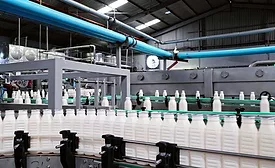
The dairy industry has seen many regulatory changes, including the incorporation of the FSMA Preventive Controls Rule within the Pasteurized Milk Ordinance
Many of the techniques used in creating a HACCP plan are shared with other types of plans, such as food quality and food defense plans. This article discusses regulatory changes in the dairy industry through the years, including the Grade "A" Pasteurized Milk Ordinance (PMO), the National Conference on Interstate Milk Shippers Dairy HACCP Pilot Program, and the incorporation of the Food Safety Modernization Act Preventive Controls Rule within the PMO.
The U.S. Food and Drug Administration (FDA) has released a document that provides an overview of the agency’s ongoing efforts to advance the safety of produce imported into the U.S.
In this episode of Food Safety Matters, we interview Conrad Choiniere, Ph.D., Director of the Office of Analytics and Outreach at the U.S. Food and Drug Administration's (FDA's) Center for Food Safety and Applied Nutrition (CFSAN), about his work leading FDA's Toxic Elements Working Group, as well as the agency’s efforts and considerations related to the Closer to Zero initiative, which aims to reduce the health risks posed by toxic elements in the U.S. baby food supply. We also review the results of FDA's Total Diet Study (TDS) related to toxic elements in baby food samples.
Additionally, we spoke to Kruti Ravaliya, M.S., Consumer Safety Officer in the Division of Produce Safety at FDA's CFSAN, about how FDA intends to implement Subpart E of the Produce Safety Rule—the Food Safety Modernization Act (FSMA) Proposed Rule on Agricultural Water—including the recently extended compliance dates for pre-harvest agricultural water requirements. Finally, Bob Ferguson, President of Strategic Consulting Inc., speaks about his latest Food Safety Insights column on the projects and priorities that food processors put on hold during the pandemic and are now revisiting.
On Monday afternoon at the 2022 International Association for Food Protection (IAFP) Annual Meeting, representatives from the U.S. Food and Drug Administration (FDA) and the U.S. Department of Agriculture’s Food Safety and Inspection Service (USDA’s FSIS) provided U.S. regulatory updates on food safety.
FDA has announced the fiscal year 2023 (FY 2023) user fee rates for the Voluntary Qualified Importer Program and the Accredited Third-Party Certification Program.
The U.S. Food and Drug Administration (FDA) has issued a supplemental notice of proposed rulemaking that extends the compliance dates for pre-harvest agricultural water provisions as outlined in the recent 2021 agricultural water proposed rule.
The U.S. Food and Drug Administration (FDA) has released a public registry of recognized accreditation bodies under the Laboratory Accreditation for Analyses of Foods Program (LAAF). Applications are now open for laboratories.
The U.S. Food and Drug Administration (FDA) has published a final guidance document that is intended to help animal food manufacturers develop hazard analysis and risk-based preventive controls for animal food in compliance with the Food Safety Modernization Act (FSMA).