Food Safety
search
Ask Food Safety AI
cart
facebook twitter linkedin
  • Sign In
  • Create Account
  • Sign Out
  • My Account
Food Safety
  • NEWS
    • Latest News
    • White Papers
  • PRODUCTS
  • TOPICS
    • Contamination Control
    • Food Types
    • Management
    • Process Control
    • Regulatory
    • Sanitation
    • Supply Chain
    • Testing and Analysis
  • PODCAST
  • EXCLUSIVES
    • Food Safety Five Newsreel
    • eBooks
    • FSM Distinguished Service Award
    • Interactive Product Spotlights
    • Videos
  • BUYER'S GUIDE
  • MORE
    • ENEWSLETTER >
      • Archive Issues
      • Subscribe to eNews
    • Store
    • Sponsor Insights
    • ASK FSM AI
  • WEBINARS
  • FOOD SAFETY SUMMIT
  • EMAG
    • eMagazine
    • Archive Issues
    • Editorial Advisory Board
    • Contact
    • Advertise
  • SIGN UP!
NewsContamination ControlChemicalMicrobiological

Scientists Discover Microbe That Degrades Harmful Mycotoxin
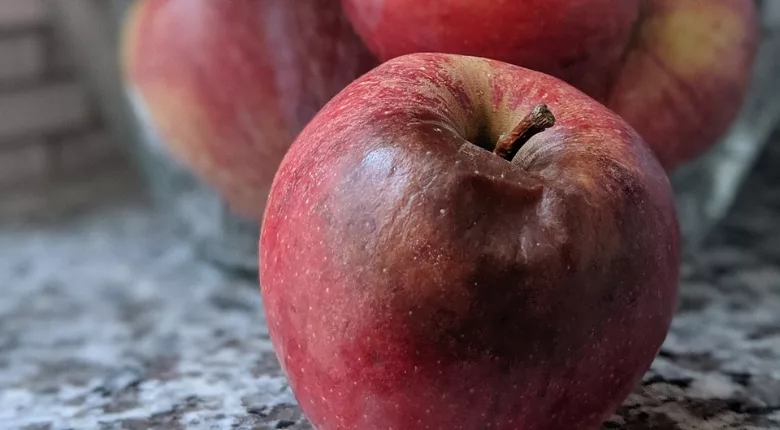
bruised apple

Image credit: Angela_Yuriko_Smith via Pixabay

September 5, 2023

Researchers from the Tokyo University of Science recently discovered a new microorganism in soil that shows potential for eliminating patulin, a harmful mycotoxin produced by a species of fungi that tends to grow on damaged or decaying fruits like apples, and can contaminate sauces, juices, ciders, and other fruit products. Many countries have set restrictions on the levels of the mycotoxin in food, as patulin toxicity has been associated with adverse health effects ranging from lung congestion to cancer-causing DNA damage.

To find microbes that could possibly help control patulin levels, the scientists took 510 soil samples from a patulin-rich environment, searching for organisms that thrive in presence of the mycotoxin. The microbial survivors were then screened using high-performance liquid chromatography to determine their ability to reduce patulin to other, less harmful chemicals.

A mold strain called Acremonium was identified as able to transform any patulin it absorbed into desoxypatulinic acid, a compound much less toxic than patulin, through the addition of hydrogen atoms. The scientists also demonstrated that some of the compounds secreted by Acremonium cells have the ability to change patulin into other molecules as well, all of which were found to be significantly less harmful than the original mycotoxin.

Uncovering the pathways by which microbes degrade patulin could help with the application of organisms like Acremonium for control of the mycotoxin in food.

Looking for quick answers on food safety topics? Try Ask FSM, our new smart AI search tool. Ask FSM →

KEYWORDS: mycotoxins study

Share This Story

Recommended Content

JOIN TODAY
to unlock your recommendations.

Already have an account? Sign In

  • people holding baby chicks

    Serovar Differences Matter: Utility of Deep Serotyping in Broiler Production and Processing

    This article discusses the significance of Salmonella in...
    Microbiological
    By: Nikki Shariat Ph.D.
  • woman washing hands

    Building a Culture of Hygiene in the Food Processing Plant

    Everyone entering a food processing facility needs to...
    Training
    By: Richard F. Stier, M.S.
  • graphical representation of earth over dirt

    Climate Change and Emerging Risks to Food Safety: Building Climate Resilience

    This article examines the multifaceted threats to food...
    Risk Assessment
    By: Maria Cristina Tirado Ph.D., D.V.M. and Shamini Albert Raj M.A.
Manage My Account
  • eMagazine Subscription
  • Subscribe to eNewsletter
  • Manage My Preferences
  • Website Registration
  • Subscription Customer Service

More Videos

Sponsored Content

Sponsored Content is a special paid section where industry companies provide high quality, objective, non-commercial content around topics of interest to the Food Safety Magazine audience. All Sponsored Content is supplied by the advertising company and any opinions expressed in this article are those of the author and not necessarily reflect the views of Food Safety Magazine or its parent company, BNP Media. Interested in participating in our Sponsored Content section? Contact your local rep!

close
  • Salmonella bacteria
    Sponsored byThermoFisher

    Food Microbiology Testing Methods: Salmonella species

  • a diagram explaining indicator organisms
    Sponsored byHygiena

    How Proactive Listeria Testing Helps Prevent Six- and Seven-Figure Recalls

  • woman grocery shopping
    Sponsored byCorbion

    Designing Safety Into Every Bite: Proactive Risk Mitigation for Refrigerated Foods

Popular Stories

scott&jons scampi

Two More Deaths Reported in Listeria Outbreak Linked to Prepared Pasta Meals

german flag and sausage

Hundreds Sick, at Least Two Dead in German E. coli Outbreak

mindy brashears USDA headshot

USDA-FSIS Under Secretary for Food Safety Nominee Reveals Priorities in Senate Hearing

Events

November 11, 2025

Feeding the Future: How Lessons From 2025 Will Shape 2026

Live: November 11, 2025 at 10:00 am EST: This webinar will bring together LRQA experts and industry leaders to explore how lessons from 2025 will shape 2026, focusing on building resilient, digitally enabled, and consumer-trusted food systems.

November 18, 2025

Dry Sanitation and Cleaning Techniques for Facilities and Equipment

Live: November 18, 2025 at 12:00 pm EDT: From this webinar, attendees will learn best practices employed by dry/low-moisture food processors for dry sanitation and equipment cleaning.

November 20, 2025

New U.S. Additive Bans: How to Prepare and Protect Your Brand

Live: November 20, 2025 at 11:00 am EST: From this webinar, attendees will learn the impact of ingredient restrictions on product development, sourcing, labeling, and market access.

View All

Products

Global Food Safety Microbial Interventions and Molecular Advancements

Global Food Safety Microbial Interventions and Molecular Advancements

See More Products

Related Articles

  • digital rendering of virus cells

    Scientists Discover Antibodies That Could Lead to Broadly Effective Norovirus Vaccine

    See More
  • Vibrio

    Scientists Discover Vibrio Bacteria Can Go Dormant, Wake Up

    See More
  • red snapper on a food scale

    After 30 Years of Research, Scientists Discover Source of Ciguatoxin in Caribbean

    See More

Related Products

See More Products
  • Food-Forensics-3D.jpg

    Food Forensics Handbook Practice, Instrumentation, Case Studies

  • food-safety-making.jpg

    Food Safety: Making Foods Safe and Free From Pathogens

  • 1119258073.jpg

    FSMA and Food Safety Systems: Understanding and Implementing the Rules

See More Products

Related Directories

  • North American Chemical Residue Workshop

    NACRW) formerly the Florida Pesticide Residue Workshop conducts an annual meeting for scientists particularly interested in trace level analysis of pesticides, veterinary drug residues, and other chemicals in food, animal feed, and environmental samples. The purpose of the meeting is to provide training, develop and improve technical knowledge, facilitate development and distribution of new analysis methods and techniques, and establish networking to promote professional cooperation between scientists of these interests.
×

Never miss the latest news and trends driving the food safety industry

eNewsletter | Website | eMagazine

JOIN TODAY!
  • RESOURCES
    • Advertise
    • Contact Us
    • Directories
    • Store
    • Want More
  • SIGN UP TODAY
    • Create Account
    • eMagazine
    • eNewsletter
    • Customer Service
    • Manage Preferences
  • SERVICES
    • Marketing Services
    • Reprints
    • Market Research
    • List Rental
    • Survey/Respondent Access
  • STAY CONNECTED
    • LinkedIn
    • Facebook
    • Instagram
    • X (Twitter)
  • PRIVACY
    • PRIVACY POLICY
    • TERMS & CONDITIONS
    • DO NOT SELL MY PERSONAL INFORMATION
    • PRIVACY REQUEST
    • ACCESSIBILITY

Copyright ©2025. All Rights Reserved BNP Media.

Design, CMS, Hosting & Web Development :: ePublishing