Food Safety
search
Ask Food Safety AI
cart
facebook twitter linkedin instagram youtube
  • Sign In
  • Create Account
  • Sign Out
  • My Account
Food Safety
  • NEWS
    • Latest News
    • White Papers
  • PRODUCTS
  • TOPICS
    • Contamination Control
    • Food Types
    • Management
    • Process Control
    • Regulatory
    • Sanitation
    • Supply Chain
    • Testing and Analysis
  • PODCAST
  • EXCLUSIVES
    • Food Safety Five Newsreel
    • eBooks
    • FSM Distinguished Service Award
    • Interactive Product Spotlights
    • Videos
  • BUYER'S GUIDE
  • MORE
    • NEWSLETTERS >
      • Archive Issues
      • Subscribe to eNews
    • Store
    • Sponsor Insights
    • ASK FSM AI
  • WEBINARS
  • FOOD SAFETY SUMMIT
  • EMAG
    • eMagazine
    • Archive Issues
    • Editorial Advisory Board
    • Contact
    • Advertise
  • SIGN UP!
News

California and Arizona Leafy Greens Marketing Agreements Align with Produce Safety Rule
August 30, 2017

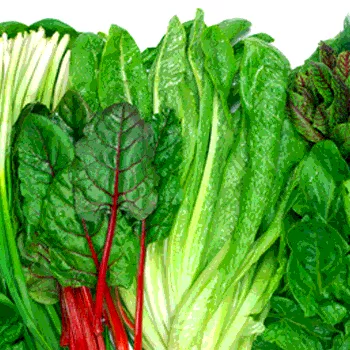
Prior to compliance with the new Food Safety Modernization Act (FSMA)’s Produce Safety rule is required for all U.S. produce farms, the California and Arizona Leafy Greens Marketing Agreements (LGMAs) have updated their required food safety practices to align with the new law.
 
“With this action by both the California and Arizona LGMA Boards update required food safety metrics, 90 percent of the leafy greens produced in the U.S. and certified through the LGMA’s system of mandatory government audits will be in full compliance with new laws under FSMA,” said Scott Horsfall, CEO of the California LGMA.
 
Teressa Lopez, program administrator for the Arizona LGMA, explained that “the review was facilitated by Western Growers and vetted through an open and transparent process before being presented to the LGMA’s Technical Committees in Arizona and California and ultimately to the full LGMA Board in both states. The process took several months to complete.”
 
“We can now say with confidence that LGMA certification is equal to FSMA compliance,” emphasized Horsfall.  “This is an important distinction LGMA members can make–not just because it will soon be the law of the land, but also because retail and foodservice buyers have made it clear they will be asking their suppliers to verify compliance with new food safety laws under FSMA.”
 
The LGMA programs will now work with the U.S. Department of Agriculture and the Departments of Agriculture in both California and Arizona so the changes can be incorporated into audit checklists. It is expected that LGMA members will begin being inspected to these new standards in early 2018 when compliance with new laws under FSMA becomes mandatory.
 
What the Specific Changes Entail
 
“The LGMA metrics were already closely aligned with the Produce Safety rule and, in many cases, exceeded requirements that are now part of FSMA,” said Hank Giclas, vice president of Western Growers, whose organization facilitated the process to update the LGMA metrics.
 
According to Giclas, no changes were needed in many sections of the LGMAs’ existing required food safety practices. LGMA metrics already meet or exceed the new federal laws with respect to requirements concerning: environmental assessments; climatic conditions; animal encroachment and soil fertility. In addition, no changes were made to practices concerning water use since the FDA is still considering what will be required under FSMA in this area. Giclas emphasized the LGMA metrics have always included science-based practices to ensure water used in the farming of leafy greens is safe and adequately tested.

For more information on LGMA visit http://www.lgma.ca.gov/


Sign up for Food Safety Magazine’s bi-weekly emails!

Subscribe to our new podcast: Food Safety Matters!


Author(s): Staff

Looking for quick answers on food safety topics?
Try Ask FSM, our new smart AI search tool.
Ask FSM →


Share This Story

Recommended Content

JOIN TODAY
to unlock your recommendations.

Already have an account? Sign In

  • people holding baby chicks

    Serovar Differences Matter: Utility of Deep Serotyping in Broiler Production and Processing

    This article discusses the significance of Salmonella in...
    Meat/Poultry
    By: Nikki Shariat Ph.D.
  • woman washing hands

    Building a Culture of Hygiene in the Food Processing Plant

    Everyone entering a food processing facility needs to...
    Management
    By: Richard F. Stier, M.S.
  • graphical representation of earth over dirt

    Climate Change and Emerging Risks to Food Safety: Building Climate Resilience

    This article examines the multifaceted threats to food...
    Contamination Control
    By: Maria Cristina Tirado Ph.D., D.V.M. and Shamini Albert Raj M.A.
Manage My Account
  • eMagazine Subscription
  • Subscribe to Newsletters
  • Manage My Preferences
  • Website Registration
  • Subscription Customer Service

More Videos

Sponsored Content

Sponsored Content is a special paid section where industry companies provide high quality, objective, non-commercial content around topics of interest to the Food Safety Magazine audience. All Sponsored Content is supplied by the advertising company and any opinions expressed in this article are those of the author and not necessarily reflect the views of Food Safety Magazine or its parent company, BNP Media. Interested in participating in our Sponsored Content section? Contact your local rep!

close
  • NEVIFIT 3 Compartment BPA-FREE
    Sponsored byCorbion

    The Risks of Ready-to-Eat: Five Ways to Protect Today's Prepared Meals

  • a group of workers in a food production facility
    Sponsored bySkillUp by Registrar Corp

    How to Build a Better Training Program: Data and Insights from the Global Food Safety Training Survey

  • the use of dual-energy X-ray food inspection technology to identify foreign contaminants.
    Sponsored byEagle by METTLER TOLEDO

    Precision Inspection Starts with the Right X-ray Detector

Popular Stories

clover hill dairy recalled cheese products

Eight Sick, One Dead in Three-Year Listeria Outbreak Linked to Soft Cheese

diverse friends eating meal together

Global Foodborne Disease Burden Comparable to Malaria, Per Updated WHO Estimates

baby having a bottle fed by his moms

After Infant Botulism Outbreak, FDA Shares Root Cause Analysis Findings from ByHeart Formula Plants

Events

June 10, 2026

A Practical Guide to Spoilage Investigation and Prevention

Live: June 10, 2026 at 11:00 am EDT: Join this webinar to learn how to identify spoilage root causes, reduce risk, and apply data-driven strategies for prevention.

June 16, 2026

Sustainable Food Contact Materials: Where Regulation Meets Analytical Testing

Live: June 16, 2026 at 11:00 am EDT: This webinar explores how sustainability regulations are changing food contact material requirements, including packaging compliance, unintended substances, and per- and polyfluoroalkyl substances.

June 17, 2026

Living HACCP: Practical Steps for Implementation

Live: June 17, 2026, at 12:00 pm EDT: From this webinar, attendees will understand how social norms shape the way hazards are understood, how decisions are made, and how well risks are understood and acted on across companies.

View All

Products

Global Food Safety Microbial Interventions and Molecular Advancements

Global Food Safety Microbial Interventions and Molecular Advancements

See More Products

Related Articles

  • FDA Halts Production at Sprouts and Soy Processing Facility for Failing to Comply with Produce Safety Rule under FSMA

    See More
  • California Leafy Greens Marketing Agreement Emerges as a Model Program for Food Safety

    See More
  • Resource: California Leafy Greens Marketing Agreement

    See More

Related Products

See More Products
  • 1119160553.jpg

    Food Safety: Innovative Analytical Tools for Safety Assessment

  • 1119053595.jpg

    Food Safety for the 21st Century: Managing HACCP and Food Safety throughout the Global Supply Chain, 2E

  • shelf life.jpg

    Shelf Life and Food Safety

See More Products

Events

View AllSubmit An Event
  • August 12, 2025

    Systematic Approach to Hazard Analysis: Considering Product- and Process-Specific Risks

    On Demand: From this webinar, attendees will learn where and why hazard analysis can fail, especially for high-risk products like leafy greens and meat/poultry.
View AllSubmit An Event

Related Directories

  • RONCO Safety

    RONCO Safety is a world-class manufacturer of Personal Protective Equipment (PPE). Our trusted distribution network delivers products to end-users striving to comply with safety standards for both their employees and their work processes. RONCO’s “Hand, Head and Body” protection solutions are designed to minimize risk for workers and maintain a safe and healthy occupational environment in a variety of industries.
×

Never miss the latest news and trends driving the food safety industry

Newsletters | Website | eMagazine

JOIN TODAY!
  • RESOURCES
    • Advertise
    • Contact Us
    • Directories
    • Store
    • Want More
  • SIGN UP TODAY
    • Create Account
    • eMagazine
    • Newsletters
    • Customer Service
    • Manage Preferences
  • SERVICES
    • Marketing Services
    • Reprints
    • Market Research
    • List Rental
    • Survey/Respondent Access
  • STAY CONNECTED
    • LinkedIn
    • Facebook
    • Instagram
    • X (Twitter)
  • PRIVACY
    • PRIVACY POLICY
    • TERMS & CONDITIONS
    • DO NOT SELL MY PERSONAL INFORMATION
    • PRIVACY REQUEST
    • ACCESSIBILITY

Copyright ©2026. All Rights Reserved BNP Media, Inc. and BNP Media II, LLC.

Design, CMS, Hosting & Web Development :: ePublishing