Food Safety
search
Ask Food Safety AI
cart
facebook twitter linkedin instagram youtube
  • Sign In
  • Create Account
  • Sign Out
  • My Account
Food Safety
  • NEWS
    • Latest News
    • Sponsored Insights
    • Sponsored White Papers
  • PRODUCTS
  • TOPICS
    • Contamination Control
    • Food Types
    • Management
    • Process Control
    • Regulatory
    • Sanitation
    • Supply Chain
    • Testing and Analysis
  • PODCAST
  • EXCLUSIVES
    • Food Safety Five Newsreel
    • eBooks
    • FSM Distinguished Service Award
    • Interactive Product Spotlights
    • Videos
  • BUYER'S GUIDE
  • MORE
    • NEWSLETTERS >
      • Archive Issues
      • Subscribe to eNews
    • Store
    • ASK FSM AI
  • WEBINARS
  • FOOD SAFETY SUMMIT
  • EMAG
    • eMagazine
    • Archive Issues
    • Editorial Advisory Board
    • Contact
    • Advertise
  • SIGN UP!
Products

Avure’s HPP Tests Stop Growth of C. botulinum in Fresh Coconut Water
8046d8d2 8d0b 4564 ab8d6c078e3da6ec
July 13, 2016

In response to valid regulatory concerns of the potential risk of Clostridium botulinum in coconut water, Avure Technologies commissioned the Institute for Food Safety and Health in Bedford Park, IL to investigate if fresh coconut water with pH above 4.6 can support the growth and toxin production of non-proteolytic and proteolytic strains of C. botulinum at 4 oC and 10 oC. The results from the just completed comprehensive study indicate that spores of strains of C. botulinum are unable germinate, grow and produce toxin in fresh coconut water, alleviating any potential concern of botulism.

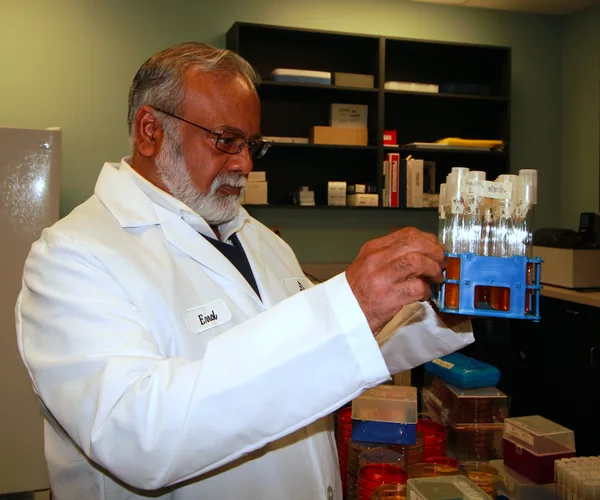
“Since it is well known that high pressure processing (HPP) does not inactivate C. botulinum spores, this study investigated the potential for spores to germinate, grow and produce toxin by proteolytic and nonproteolytic C. botulinum in both filtered and unfiltered fresh coconut water treated with HPP and stored for 45 days,” says Dr. Errol Raghubeer (pictured), senior vice president microbiology and technology at Avure.

Although there was an increase in the total anaerobic count during the 45 days of storage, none of these samples showed toxin production.

“While we agree that there is the potential for C. botulinum contamination in coconut water, this comprehensive study proves to us that HPP, combined with potential natural elements found in coconut water, is an effective food safety measure,” Dr. Raghubeer said. “It is likely that naturally occurring inhibitory compound or compounds in coconut water, make C. botulinum unable to germinate, grow or produce toxin, or that coconut water lacks certain key ingredients to promote growth and toxin production of C. botulinum. HPP of coconut water is a viable process for the inactivation of other vegetative pathogens of concern such as L. monocytogenes, Salmonella and E. coli.”

With proper temperature control, HPP remains the preferred method for treating coconut water to ensure food safety while maintaining the best flavor and keeping nutrients intact.

Data from this study will be made available to processors to use when discussing food safety issues with the U.S. Food and Drug Administration and other regulatory officials.


Author(s): Staff

Looking for quick answers on food safety topics?
Try Ask FSM, our new smart AI search tool.
Ask FSM →


Share This Story

Recommended Content

JOIN TODAY
to unlock your recommendations.

Already have an account? Sign In

  • people holding baby chicks

    Serovar Differences Matter: Utility of Deep Serotyping in Broiler Production and Processing

    This article discusses the significance of Salmonella in...
    Microbiological Control
    By: Nikki Shariat Ph.D.
  • woman washing hands

    Building a Culture of Hygiene in the Food Processing Plant

    Everyone entering a food processing facility needs to...
    Food Prep/Handling
    By: Richard F. Stier, M.S.
  • graphical representation of earth over dirt

    Climate Change and Emerging Risks to Food Safety: Building Climate Resilience

    This article examines the multifaceted threats to food...
    Best Practices
    By: Maria Cristina Tirado Ph.D., D.V.M. and Shamini Albert Raj M.A.
Manage My Account
  • eMagazine Subscription
  • Subscribe to Newsletters
  • Manage My Preferences
  • Website Registration
  • Subscription Customer Service

More Videos

Sponsored Content

Sponsored Content is a special paid section where industry companies provide high quality, objective, non-commercial content around topics of interest to the Food Safety Magazine audience. All Sponsored Content is supplied by the advertising company and any opinions expressed in this article are those of the author and not necessarily reflect the views of Food Safety Magazine or its parent company, BNP Media. Interested in participating in our Sponsored Content section? Contact your local rep!

close
  • Man In Warehouse
    Sponsored byRentokil

    Mitigating Hidden Rodent Risks in Food Facilities

  • an industrial manufacturing or processing facility
    Sponsored bybioMérieux

    Get Ahead of Spoilage in Food Manufacturing with Metagenomics for Preventive Monitoring

  • an automated industrial production line used in a modern food factory
    Sponsored byIFC

    A Formula for Food Processing Pest Management

Popular Stories

scoop of powdered infant formula in front of bottle against blue backdrop

Nara Organics Infant Formula Botulism Outbreak Ends; WGS, Supply Chain Evidence Show Link to ByHeart

chopped iceberg lettuce

FDA Explains Recall Classifications to Get Ahead of Cyclospora Outbreak Panic

Beltsville Agricultural Research Center grounds

News That USDA Cyclospora Research Was Defunded in 2026 Emerges as Nation’s Largest-Ever Cyclosporiasis Outbreak Continues

allergens ebook

Events

September 10, 2026

Stop Rodents in Their Tracks!

Live: September 10, 2026 at 2:00 pm EDT: Attend this webinar to understand rodent behavior and innovative strategies for rodent management.

September 22, 2026

From EFSA to Enforcement: Managing the Growing Complexity of EU MRLs

Live: September 22, 2026 at 11:00 am EDT: Attend this webinar to evaluate best practices for monitoring regulatory changes and protecting market access.

September 24, 2026

Benchmarking Foreign Material Contamination in 2026: What the Data Shows

Live: September 24, 2026 at 2:00 pm EDT:  From this webinar, attendees will learn what is driving investment decisions, and the factors FSQA and ops leaders weigh when making the case for new prevention technology.

View All

Products

Global Food Safety Microbial Interventions and Molecular Advancements

Global Food Safety Microbial Interventions and Molecular Advancements

See More Products

Related Articles

  • Avure’s HPP Tests Stop Growth of C. botulinum in Fresh Coconut Water

    See More
  • FS5-E34-header_Image-credit-MART-PRODUCTIONS-via-Pexels.png

    Food Safety Five Ep. 34: Scientific Advances Addressing C. botulinum in Food

    See More
  • person taking vacuum packed meat out of fridge

    Modeling Study Identifies Heat, pH Conditions to Inhibit C. botulinum Growth in Chilled Foods

    See More

Related Products

See More Products
  • 1444333348.jpg

    Handbook of Food Safety Engineering

  • 9781138070912.jpg

    Trends in Food Safety and Protection

  • 1119237963.jpg

    Food Safety in China: Science, Technology, Management and Regulation

See More Products

Events

View AllSubmit An Event
  • September 10, 2026

    Stop Rodents in Their Tracks!

    Live: September 10, 2026 at 2:00 pm EDT: Attend this webinar to understand rodent behavior and innovative strategies for rodent management.
View AllSubmit An Event

Related Directories

  • JBT Avure Technologies

    Food manufacturers of all shapes and sizes, including the world’s largest poultry producer, depend on our high-pressure processing machines to serve up healthy, delicious and safe products. And double and triple shelf life without chemicals, additives or heat.
  • Stop Foodborne Illness

    As the voice of people affected by foodborne illness, we collaborate with partners in academia, the food industry, consumer and public health groups, and government to prevent foodborne illness. We advocate for effective food safety policy and facilitate culture change to increase food safety.
  • ConnectedFresh

    Prevent food safety violations, reduce waste, and protect equipment across every location — automatically. ConnectedFresh's wireless sensor platform provides real-time temperature monitoring, automated alerts, cool down logging, and compliance reporting for restaurant and food service operations, replacing manual checks with continuous, reliable data.
×

Never miss the latest news and trends driving the food safety industry

Newsletters | Website | eMagazine

JOIN TODAY!
  • RESOURCES
    • Advertise
    • Contact Us
    • Directories
    • Store
    • Want More
  • SIGN UP TODAY
    • Create Account
    • eMagazine
    • Newsletters
    • Customer Service
    • Manage Preferences
  • SERVICES
    • Marketing Services
    • Reprints
    • Market Research
    • List Rental
    • Survey/Respondent Access
  • STAY CONNECTED
    • LinkedIn
    • Facebook
    • Instagram
    • X (Twitter)
  • PRIVACY
    • PRIVACY POLICY
    • TERMS & CONDITIONS
    • DO NOT SELL MY PERSONAL INFORMATION
    • PRIVACY REQUEST
    • ACCESSIBILITY

Copyright ©2026. All Rights Reserved BNP Media, Inc. and BNP Media II, LLC.

Design, CMS, Hosting & Web Development :: ePublishing