Food Safety
search
Ask Food Safety AI
cart
facebook twitter linkedin instagram youtube
  • Sign In
  • Create Account
  • Sign Out
  • My Account
Food Safety
  • NEWS
    • Latest News
    • White Papers
  • PRODUCTS
  • TOPICS
    • Contamination Control
    • Food Types
    • Management
    • Process Control
    • Regulatory
    • Sanitation
    • Supply Chain
    • Testing and Analysis
  • PODCAST
  • EXCLUSIVES
    • Food Safety Five Newsreel
    • eBooks
    • FSM Distinguished Service Award
    • Interactive Product Spotlights
    • Videos
  • BUYER'S GUIDE
  • MORE
    • NEWSLETTERS >
      • Archive Issues
      • Subscribe to eNews
    • Store
    • Sponsor Insights
    • ASK FSM AI
  • WEBINARS
  • FOOD SAFETY SUMMIT
  • EMAG
    • eMagazine
    • Archive Issues
    • Editorial Advisory Board
    • Contact
    • Advertise
  • SIGN UP!
News

Reactions Vary After GAO Releases Meat & Poultry Worker Safety Report

May 25, 2016

A new report published by the Government Accountability Office (GAO), has garnered mixed reactions on worker safety in the meat and poultry industry and whether or not it has improved enough over the last decade or so.

What exactly has improved?

  • 2014 incidence rates for nonfatal occupational injuries and illnesses reached a new, all-time industry low of 5.5 cases per 100 full-time workers per year. (U.S. Bureau of Labor Statistics)
  • 12 years ago, injury and illness rates among meat and poultry workers was at 9.8 per 100. That number has been cut almost in half to 5.7 cases in 2013.

This is GAO’s first report on worker safety in the meat and poultry industry since 2004.

The new data suggests that the meat and poultry industry is a safer working environment than industries that produce products used to cook meat (ie. kitchen utensil, pot and pan manufacturing) and drink with your meal (ie. soft drink and bottled water manufacturing, frozen fruit and vegetable juice manufacturing). These are developments that the industry is pleased with. According to the North American Meat Institute (NAMI), much work has gone into making the meat and poultry industry a safe environment for workers.

In a statement, NAMI says,

"Much of the improvement in worker safety over the years can be attributed to two major efforts initiated by the meat industry beginning in 1990.  That year, the U.S. meat industry, together with OSHA and the United Food and Commercial Workers union, developed Voluntary Ergonomic Guidelines for the Meat Packing Industry—guidelines that OSHA called a “model” for other industries. In addition, the AMI Board of Directors (predecessor to NAMI) deemed workplace safety a non-competitive issue and encouraged their respective company staffs to share information on safety practices.  This decision enabled the Association's Worker Safety Committee to pursue a number of safety improvements, including the annual Conference on Worker Safety and Human Resources, which has occurred annually ever since."

However, Democrats still consider the industry’s rates of injury and illness high, and they’d like the U.S. Department of Labor to do something about it. That’s because although the meat and poultry industry has experienced a decline in cases of injury and illness, numbers reported are still higher than those reported for “all U.S. manufacturing” industries, according to official blog of Capitol Hill.

“The report found some injuries to meat and poultry workers have resulted in fatalities. From 2004 to 2013, 154 workers died on the job. Of the 46 workers who sustained fatal injuries from 2011 to 2013, 19 died as the result of transportation incidents in which the person was struck by a vehicle. Other fatalities were the result of workplace violence, a violent animal, contact with objects or equipment or exposure to harmful substances.”

Looking for quick answers on food safety topics?
Try Ask FSM, our new smart AI search tool.
Ask FSM →

“The conditions that these workers are forced to endure is an outrage, and have no place in our nation,” says Bob Casey (D-Pa.) “This is a matter of basic justice. The meat and poultry industry must quickly take substantial steps to improve the workplace conditions for those in this industry.”

Musculoskeletal disorders (MSD), due to forceful exertion or repetition, are some of the most common injuries found in these industries.

The GAO report did offer recommendations on how the Labor Department can help to reduce the rate of injury and illness in the meat and poultry industry:

  • Enable workers to sharpen and change knives regularly so they do not have to exert undue force to make cuts.
  • Offer an ergonomics program to help workers improve problem-solving and hazard identification
  • Provide training for engineers and maintenance personnel in how to prevent and correct ergonomic problems
  • Initiate a medical management program with effective reporting, evaluation, treatment and referrals that is run by healthcare staff trained in MSD prevention.

Sign up for Food Safety Magazine’s bi-weekly emails!


Author(s): Staff

Share This Story

Recommended Content

JOIN TODAY
to unlock your recommendations.

Already have an account? Sign In

  • people holding baby chicks

    Serovar Differences Matter: Utility of Deep Serotyping in Broiler Production and Processing

    This article discusses the significance of Salmonella in...
    Methods
    By: Nikki Shariat Ph.D.
  • woman washing hands

    Building a Culture of Hygiene in the Food Processing Plant

    Everyone entering a food processing facility needs to...
    Sanitation
    By: Richard F. Stier, M.S.
  • graphical representation of earth over dirt

    Climate Change and Emerging Risks to Food Safety: Building Climate Resilience

    This article examines the multifaceted threats to food...
    Risk Assessment
    By: Maria Cristina Tirado Ph.D., D.V.M. and Shamini Albert Raj M.A.
Manage My Account
  • eMagazine Subscription
  • Subscribe to Newsletters
  • Manage My Preferences
  • Website Registration
  • Subscription Customer Service

More Videos

Sponsored Content

Sponsored Content is a special paid section where industry companies provide high quality, objective, non-commercial content around topics of interest to the Food Safety Magazine audience. All Sponsored Content is supplied by the advertising company and any opinions expressed in this article are those of the author and not necessarily reflect the views of Food Safety Magazine or its parent company, BNP Media. Interested in participating in our Sponsored Content section? Contact your local rep!

close
  • Salmonella bacteria
    Sponsored byThermoFisher

    Food Microbiology Testing Methods: Salmonella species

  • a diagram explaining indicator organisms
    Sponsored byHygiena

    How Proactive Listeria Testing Helps Prevent Six- and Seven-Figure Recalls

  • woman grocery shopping
    Sponsored byCorbion

    Designing Safety Into Every Bite: Proactive Risk Mitigation for Refrigerated Foods

Popular Stories

plate of RTE deli meats and sausages

Boar’s Head Reopens Production Facility Behind Fatal Listeriosis Outbreak

Rosabella moringa capsules

Salmonella Outbreak Linked to Dietary Supplement Involves Extensively Drug-Resistant Strain

resignation letter

FDA, USDA, CDC Continue to Lose Staffers in Fiscal Year 2026

Events

February 25, 2026

How to Manage Food Safety and Regulatory Risks in Your Supply Chain

Live: February 25, 2026 at 2:00 pm EST: From this webinar, attendees will learn how large food manufacturing organizations can successfully manage their supply chain, food safety, and regulatory risks.

March 3, 2026

FDA/USDA Regulatory Updates: Food Safety Work Plans for 2026

Live: March 3, 2026 at 2:00 pm EST: In this high-level, exclusive webinar, FDA Deputy Commissioner for Human Foods Kyle Diamantas and USDA Under Secretary for Food Safety Mindy Brashears, Ph.D. will share their agencies' regulatory priorities and work plans for 2026 and beyond.

May 11, 2026

The Food Safety Summit

Stay informed on the latest food safety trends, innovations, emerging challenges, and expert analysis. Leave the Summit with actionable insights ready to drive measurable improvements in your organization. Do not miss this opportunity to learn from experts about contamination control, food safety culture, regulations, sanitation, supply chain traceability, and so much more.

View All

Products

Global Food Safety Microbial Interventions and Molecular Advancements

Global Food Safety Microbial Interventions and Molecular Advancements

See More Products

Related Articles

  • GAO’s Recommendations to USDA on Reducing Pathogens in Meat and Poultry Products

    See More
  • cow generic

    North American Meat Institute Releases "Food Safety Equipment Design Principles" for Meat and Poultry Industry

    See More
  • GAO

    GAO releases report on FDA/FSMA progress

    See More

Related Products

See More Products
  • 9781498721776.jpg

    Handbook of Food Processing: Food Safety, Quality, and Manufacturing Processes

  • 1119160553.jpg

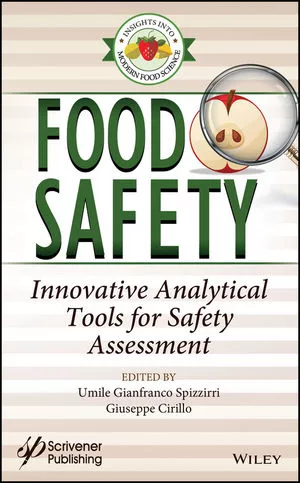
    Food Safety: Innovative Analytical Tools for Safety Assessment

  • 1119053595.jpg

    Food Safety for the 21st Century: Managing HACCP and Food Safety throughout the Global Supply Chain, 2E

See More Products

Related Directories

  • RONCO Safety

    RONCO Safety is a world-class manufacturer of Personal Protective Equipment (PPE). Our trusted distribution network delivers products to end-users striving to comply with safety standards for both their employees and their work processes. RONCO’s “Hand, Head and Body” protection solutions are designed to minimize risk for workers and maintain a safe and healthy occupational environment in a variety of industries.
  • We R Food Safety Inc.

    Scalable, affordable and fully customizable software designed by industry experts and backed by a world-class team of consultants and support personnel. Our proprietary software modernizes your food safety systems, provides your staff real-time data and visibility. We have the ability to construct custom reporting providing you information that is important to your business.
  • Saf-T-Gard International Inc.

    Saf-T-Gard International, Inc. is a privately-held family-owned and operated manufacturer, distributor, importer, exporter, and global supplier of personal protective equipment, electrical safety, facility safety, and first aid products and services that has been bringing workers home safely since 1936.
×

Never miss the latest news and trends driving the food safety industry

Newsletters | Website | eMagazine

JOIN TODAY!
  • RESOURCES
    • Advertise
    • Contact Us
    • Directories
    • Store
    • Want More
  • SIGN UP TODAY
    • Create Account
    • eMagazine
    • Newsletters
    • Customer Service
    • Manage Preferences
  • SERVICES
    • Marketing Services
    • Reprints
    • Market Research
    • List Rental
    • Survey/Respondent Access
  • STAY CONNECTED
    • LinkedIn
    • Facebook
    • Instagram
    • X (Twitter)
  • PRIVACY
    • PRIVACY POLICY
    • TERMS & CONDITIONS
    • DO NOT SELL MY PERSONAL INFORMATION
    • PRIVACY REQUEST
    • ACCESSIBILITY

Copyright ©2026. All Rights Reserved BNP Media.

Design, CMS, Hosting & Web Development :: ePublishing