Food Safety
search
Ask Food Safety AI
cart
facebook twitter linkedin instagram youtube
  • Sign In
  • Create Account
  • Sign Out
  • My Account
Food Safety
  • NEWS
    • Latest News
    • White Papers
  • PRODUCTS
  • TOPICS
    • Contamination Control
    • Food Types
    • Management
    • Process Control
    • Regulatory
    • Sanitation
    • Supply Chain
    • Testing and Analysis
  • PODCAST
  • EXCLUSIVES
    • Food Safety Five Newsreel
    • eBooks
    • FSM Distinguished Service Award
    • Interactive Product Spotlights
    • Videos
  • BUYER'S GUIDE
  • MORE
    • NEWSLETTERS >
      • Archive Issues
      • Subscribe to eNews
    • Store
    • Sponsor Insights
    • ASK FSM AI
  • WEBINARS
  • FOOD SAFETY SUMMIT
  • EMAG
    • eMagazine
    • Archive Issues
    • Editorial Advisory Board
    • Contact
    • Advertise
  • SIGN UP!
Contamination ControlManagementProcess ControlCase StudiesRecall/Crisis ManagementMicrobiological ControlIntervention ControlsMeat/Poultry

All-Natural Activin Eliminates Salmonella and E. coli

October 1, 2003

Any outbreak of foodborne illness triggers publicity, and even the smallest headline about E. coli or Salmonella can cause consumers to curtail their meat purchases. That domino effect can have crippling consequences on the meat production industry, says David Hall, senior vice president of sales and marketing at aLF Ventures, LLC, a joint venture between National Beef Packing Company, DMV International and Farmland Industries, based in Salt Lake City, UT. Not only does the producer of the recalled product face millions of dollars in lost revenue and damages, but the entire industry suffers as consumers hesitate to buy meat until their confidence in its safety is restored.

Just last year, ConAgra spent more than $50 million on damages alone when it recalled 18 million pounds of beef products due to possible E. coli contamination. Three months later, Pilgrim's Pride recalled 27.4 million pounds of sliced deli poultry over concerns about possible Listeria contamination and within days, shares of Pilgrim's Pride fell more than 30%. And that doesn't account for the millions more in lost revenues as consumers didn't just give up on specific brands, but on meat products altogether.

Even though scientific advances have gone a long way toward reducing the incidence of pathogen related foodborne illness, and data from the U.S. Centers for Disease Control and Prevention (CDC) showed a 23% overall drop in bacterial foodborne illnesses between 1996 and 2001, consumers are still concerned about their food safety. As a result, meat packers and processors are constantly on the look out for interventions to further eliminate potential hazards, Hall says. "The goal is always zero tolerance."

Because consumers can also be wary of chemical solutions being used on products they consume, natural interventions are especially appealing. "They don't like the idea of eating products that have been chemically treated," Hall says.

A Natural Solution
Unfortunately, there have been few natural, effective bacteria interventions to fulfill the demands of consumers--until recently. aLF Ventures has created a new intervention, called Activin, that is a natural, activated form of lactoferrin, a naturally occurring protein that prevents bacterial infections in the body. "Lactoferrin is already present in breast milk, tears and in the meat tissue itself," Hall says. "It works in the body by creating a barrier to prevent bacterial attachment."

By activating raw lactoferrin, which is extracted from skim milk and whey, scientists at aLF Ventures have been able to create a natural antimicrobial spray that works outside the body just as lactoferrin works inside the body. "When applied to beef, it prevents pathogenic bacteria from attaching to the surface of the meat by binding with it and eliminating its ability to grow." Essentially, the Activin sticks to the bacteria and holds on to it so that when the meat is rinsed, the bacteria, trapped within the Activin, is washed away.

Activin won't necessarily replace other interventions," Hall says. "Instead it's another layer of protection against bacteria." Current interventions in use by meat processors already reduce bacterial counts by significant amounts but some attached bacteria still remain, he says. Activin can be sprayed on carcasses during the intervention process, which may also include thermal pasteurization and a two percent lactic acid rinse. "By adding this additional intervention step, meat processors can dramatically decrease the already low levels of potentially harmful bacteria that pose health risks to consumers."

The spray has been scientifically proven to protect against more than 30 different strains of bacteria, including E. coli O157:H7, Salmonella, Campylobacter, and Listeria. Additionally, an independent study was conducted by Colorado State University. The university's findings validated that Activin followed by two percent lactic acid rinse eliminated the growth of E. coli and Salmonella on beef, whereas the lactic acid rinse alone showed that small amounts of both bacteria remained on the sample.

Along with reducing the risk of these highly dangerous bacteria to almost nothing, the most exciting feature of this new intervention technique is that it is natural, Hall says. "Lactoferrin is already present in the meat and the amount of Activin used to protect a beef carcass is thousands of times less then the amount of lactoferrin in a glass of milk."

It's considered so safe that the USDA considers special labeling of treated carcasses unnecessary and the U.S. Food and Drug Administration has granted it "generally recognized as safe" (GRAS) status.

Activin is already being used on all of the beef carcasses produced by National Beef and aLF plans to use the spray to protect individual beef cuts, as well as chicken carcasses and other meat and poultry products. When Activin is used on individual cuts of meat or ready to eat products, aLF plans to label those packages.

"There are no other natural interventions on the market today that protect meat the way Activin can," Hall says. "This is a huge breakthrough."


Author(s): Food Safety Magazine and David Hall

Looking for quick answers on food safety topics?
Try Ask FSM, our new smart AI search tool.
Ask FSM →


Share This Story

Recommended Content

JOIN TODAY
to unlock your recommendations.

Already have an account? Sign In

  • people holding baby chicks

    Serovar Differences Matter: Utility of Deep Serotyping in Broiler Production and Processing

    This article discusses the significance of Salmonella in...
    Methods
    By: Nikki Shariat Ph.D.
  • woman washing hands

    Building a Culture of Hygiene in the Food Processing Plant

    Everyone entering a food processing facility needs to...
    Personal Hygiene/Handwashing
    By: Richard F. Stier, M.S.
  • graphical representation of earth over dirt

    Climate Change and Emerging Risks to Food Safety: Building Climate Resilience

    This article examines the multifaceted threats to food...
    Management
    By: Maria Cristina Tirado Ph.D., D.V.M. and Shamini Albert Raj M.A.
Manage My Account
  • eMagazine Subscription
  • Subscribe to Newsletters
  • Manage My Preferences
  • Website Registration
  • Subscription Customer Service

More Videos

Sponsored Content

Sponsored Content is a special paid section where industry companies provide high quality, objective, non-commercial content around topics of interest to the Food Safety Magazine audience. All Sponsored Content is supplied by the advertising company and any opinions expressed in this article are those of the author and not necessarily reflect the views of Food Safety Magazine or its parent company, BNP Media. Interested in participating in our Sponsored Content section? Contact your local rep!

close
  • The image displays a person selecting packaged fresh chicken meat from a supermarket display cooler.
    Sponsored byCorbion

    Developing a Future-Proof Food Safety Strategy for Meat and Poultry Products

  • The image shows a variety of fresh produce packaged in plastic trays and wrap.
    Sponsored byWaters Corporation

    PFAS-Free Food Packaging by August 2026

  • This image displays a multi-stage water filtration system designed to remove contaminants from drinking water.
    Sponsored byWaterdrop Filter

    The 4.0 ppt Era: Future-Proofing Your Food Supply Chain Against 'Forever Chemicals'

Popular Stories

half shredded block of cheddar cheese and pile of cheese shreds on wooden cutting board

Patient Count in Raw Farm E. coli Outbreak Grows, Majority are Young Children

RAW FARM-brand raw cheddar cheese shreds

Amid E. coli Outbreak, Congress Urges FDA to Mandate Raw Cheese Recall

smiling employee in bottling factory looking at camera with arms crossed in front of production line

GFSI Unveils Updated Food Safety Culture Framework

foreign material webinar


Events

April 8, 2026

Foreign Material Contamination: Why In-Line Reinspection Isn't Enough

Live: April 8, 2026, at 11:00 am EDT: From this webinar, attendees will learn why reinspecting with in-line equipment is not sufficient when it comes to potential foreign material contamination.

April 16, 2026

Recordkeeping and Document Management for Food Safety Compliance

Live: April 16, 2026, at 2:00 pm EDT: From this webinar, attendees will learn why recordkeeping and document control are essential to food safety and business management.

May 11, 2026

The Food Safety Summit

Stay informed on the latest food safety trends, innovations, emerging challenges, and expert analysis. Leave the Summit with actionable insights ready to drive measurable improvements in your organization. Do not miss this opportunity to learn from experts about contamination control, food safety culture, regulations, sanitation, supply chain traceability, and so much more.

View All

Products

Global Food Safety Microbial Interventions and Molecular Advancements

Global Food Safety Microbial Interventions and Molecular Advancements

See More Products

Related Articles

  • CDC: Salmonella, E. coli and Listeria Cause Almost All Multistate Foodborne Outbreaks

    See More
  • individual curly kale leafs

    Study Identifies Why Some Leafy Greens are Less Susceptible to E. Coli Than Lettuce; Finds Natural Antimicrobial Effect of Kale, Collards

    See More
  • FSS recalls generic image

    Hodgson Mill issues voluntary recall of unbleached all-purpose white wheat flour due to potential presence of pathogenic E. coli

    See More

Related Products

See More Products
  • 9781138198463.jpg

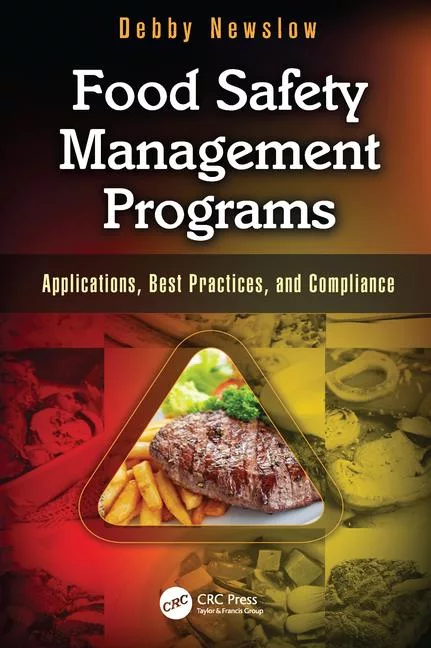
    Food Safety Management Programs: Applications, Best Practices, and Compliance

  • Food-Forensics-3D.jpg

    Food Forensics Handbook Practice, Instrumentation, Case Studies

  • 9781498762878.jpg

    Food Safety and Protection

See More Products
×

Never miss the latest news and trends driving the food safety industry

Newsletters | Website | eMagazine

JOIN TODAY!
  • RESOURCES
    • Advertise
    • Contact Us
    • Directories
    • Store
    • Want More
  • SIGN UP TODAY
    • Create Account
    • eMagazine
    • Newsletters
    • Customer Service
    • Manage Preferences
  • SERVICES
    • Marketing Services
    • Reprints
    • Market Research
    • List Rental
    • Survey/Respondent Access
  • STAY CONNECTED
    • LinkedIn
    • Facebook
    • Instagram
    • X (Twitter)
  • PRIVACY
    • PRIVACY POLICY
    • TERMS & CONDITIONS
    • DO NOT SELL MY PERSONAL INFORMATION
    • PRIVACY REQUEST
    • ACCESSIBILITY

Copyright ©2026. All Rights Reserved BNP Media, Inc. and BNP Media II, LLC.

Design, CMS, Hosting & Web Development :: ePublishing