Food Safety
search
Ask Food Safety AI
cart
facebook twitter linkedin
  • Sign In
  • Create Account
  • Sign Out
  • My Account
Food Safety
  • NEWS
    • Latest News
    • White Papers
  • PRODUCTS
  • TOPICS
    • Contamination Control
    • Food Types
    • Management
    • Process Control
    • Regulatory
    • Sanitation
    • Supply Chain
    • Testing and Analysis
  • PODCAST
  • EXCLUSIVES
    • Food Safety Five Newsreel
    • eBooks
    • FSM Distinguished Service Award
    • Interactive Product Spotlights
    • Videos
  • BUYER'S GUIDE
  • MORE
    • ENEWSLETTER >
      • Archive Issues
      • Subscribe to eNews
    • Store
    • Sponsor Insights
    • ASK FSM AI
  • WEBINARS
  • FOOD SAFETY SUMMIT
  • EMAG
    • eMagazine
    • Archive Issues
    • Editorial Advisory Board
    • Contact
    • Advertise
  • SIGN UP!
News

Study: Composting for Mushroom Production Kills Pathogens in Manure, Eliminating FSMA Issues

September 23, 2013


Source: Penn State University

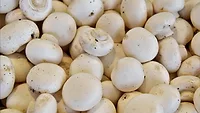
Strict requirements on the use of animal manures in fresh produce production imposed by the Food Safety and Modernization Act (FSMA) threatened to adversely impact the mushroom industry, which relies on horse and poultry manure for a specialized growth substrate. But a new study shows that heat generated during the traditional composting process — originally developed to kill insect and fungal pests of mushrooms — is adequate for eliminating human pathogens that might be present, according to researchers in Penn State's College of Agricultural Sciences.

As a result of those findings, which were published in a recent issue of the Journal of Food Protection, there will be no restrictions on the mushroom industry composting process, noted co-author Luke LaBorde, associate professor of food science and Penn State Extension specialist in farm food safety.

LaBorde called the Food Safety Modernization Act the most sweeping reform of U.S. food safety laws in more than 70 years.

"The intent of the law is to change the way we as a country ensure the safety of our food supply," he said. "Instead of responding to an occurrence of contamination or an outbreak of foodborne illness, food industries now are challenged to be proactive in recognizing potential food-safety hazards in their operations and establishing control measures to prevent them from occurring."

The complexity of this shift in thinking is evident in the timing of the rulemaking process, LaBorde explained. The act was signed into law by President Barack Obama on Jan. 4, 2011, but took two years for the U.S. Food and Drug Administration to begin releasing draft rules for public comment.

"Although each of the regulations that will come out of the food safety act may affect the mushroom industry," LaBorde said, "the proposed rule, 'Standards for the Growing, Harvesting, Packing, and Holding of Produce for Human Consumption,' also known as Produce Safety Standards, will have the most direct impact on mushroom farmers."

Looking for quick answers on food safety topics? Try Ask FSM, our new smart AI search tool. Ask FSM →

The Produce Safety Standards rule includes requirements for controlling potential food safety hazards in areas where contamination is most likely to occur. These include crop-contact water use for irrigation and other agricultural purposes; farm-worker hygiene; sanitation conditions affecting buildings, equipment and tools; and use of soil supplements containing animal manure.

FDA's preventative approach for ensuring the safety of produce is closely aligned with that of the Mushroom Good Agricultural Practices program — also called MGAP — a set of voluntary farm food-safety standards developed by the American Mushroom Institute and Penn State's Department of Food Science, said LaBorde.

Among MGAP core principles is a guideline calling for careful management in the use of animal products in substrate, casing or supplement preparation in order to minimize the potential for microbial contamination of mushrooms.

"Perhaps at the top of the list of FDA's farm food-safety issues is the use of raw and composted animal manures for conditioning and providing nutrients to agricultural soils," he said. "Animal manure is a likely source of many human pathogens, and crop contamination with animal feces has been linked to foodborne outbreaks. The Produce Safety Standards propose to establish a nine-month interval between application of raw manure and harvesting."

Any composting treatment that claims to reduce levels of human pathogens must be a scientifically valid, controlled, physical and/or chemical process or composting process that meets or exceeds specific microbial standards. Microbial limits for compost are linked to criteria on whether it can contact the crop and the amount of time between the treatment and harvesting.

"The draft rule states that compost suppliers will be required to document that microbial standards are achieved," LaBorde said. "On-farm composters will be required to document that time and temperature conditions for a validated process are consistently achieved."

There are no known cases of foodborne illness attributed to consumption of fresh mushrooms grown in North America, LaBorde stressed. Therefore, it is likely that industry use of horse and poultry manures in mushroom growth-substrate formulations is safe.

"However, absence of evidence is not evidence of absence, and FDA's new regulatory approach will require the mushroom industry to provide scientific evidence that commercial composting is capable of eliminating human pathogens in raw manures," he said. "Our research provides some answers on the issue of the fate of human pathogens in mushroom growth substrate during phase II composting."

Other Penn State researchers participating in the study were Jennifer Weil, who received her master's degree in food science; Catherine Cutter, professor of food science; and Robert Beelman, professor emeritus of food science. The study is available online at http://psu.ag/1bBevBY.


Share This Story

Recommended Content

JOIN TODAY
to unlock your recommendations.

Already have an account? Sign In

  • people holding baby chicks

    Serovar Differences Matter: Utility of Deep Serotyping in Broiler Production and Processing

    This article discusses the significance of Salmonella in...
    Testing & Analysis
    By: Nikki Shariat Ph.D.
  • woman washing hands

    Building a Culture of Hygiene in the Food Processing Plant

    Everyone entering a food processing facility needs to...
    Sanitation
    By: Richard F. Stier, M.S.
  • graphical representation of earth over dirt

    Climate Change and Emerging Risks to Food Safety: Building Climate Resilience

    This article examines the multifaceted threats to food...
    Contamination Control
    By: Maria Cristina Tirado Ph.D., D.V.M. and Shamini Albert Raj M.A.
Manage My Account
  • eMagazine Subscription
  • Subscribe to eNewsletter
  • Manage My Preferences
  • Website Registration
  • Subscription Customer Service

More Videos

Sponsored Content

Sponsored Content is a special paid section where industry companies provide high quality, objective, non-commercial content around topics of interest to the Food Safety Magazine audience. All Sponsored Content is supplied by the advertising company and any opinions expressed in this article are those of the author and not necessarily reflect the views of Food Safety Magazine or its parent company, BNP Media. Interested in participating in our Sponsored Content section? Contact your local rep!

close
  • Salmonella bacteria
    Sponsored byThermoFisher

    Food Microbiology Testing Methods: Salmonella species

  • a diagram explaining indicator organisms
    Sponsored byHygiena

    How Proactive Listeria Testing Helps Prevent Six- and Seven-Figure Recalls

  • woman grocery shopping
    Sponsored byCorbion

    Designing Safety Into Every Bite: Proactive Risk Mitigation for Refrigerated Foods

Popular Stories

mindy brashears USDA headshot

USDA-FSIS Under Secretary for Food Safety Nominee Reveals Priorities in Senate Hearing

researcher dropping liquid in petri dishes

First-of-its-Kind Study Shows How Listeria Strains Evolve Into Strong Biofilm Formers

restaurant kitchen training

Practical Training Aids for Effective Food Safety Training

Events

November 11, 2025

Feeding the Future: How Lessons From 2025 Will Shape 2026

Live: November 11, 2025 at 10:00 am EST: This webinar will bring together LRQA experts and industry leaders to explore how lessons from 2025 will shape 2026, focusing on building resilient, digitally enabled, and consumer-trusted food systems.

November 18, 2025

Dry Sanitation and Cleaning Techniques for Facilities and Equipment

Live: November 18, 2025 at 12:00 pm EDT: From this webinar, attendees will learn best practices employed by dry/low-moisture food processors for dry sanitation and equipment cleaning.

November 20, 2025

New U.S. Additive Bans: How to Prepare and Protect Your Brand

Live: November 20, 2025 at 11:00 am EST: From this webinar, attendees will learn the impact of ingredient restrictions on product development, sourcing, labeling, and market access.

View All

Products

Global Food Safety Microbial Interventions and Molecular Advancements

Global Food Safety Microbial Interventions and Molecular Advancements

See More Products

Related Articles

  • crates on a conveyor belt in a processing factory

    EFSA: Poor Hygienic Equipment Design Most Crucial Risk Factor for Persistent Pathogens in Food Production

    See More
  • coronavirus

    Eliminating Coronavirus and Other Viruses in Food Production

    See More
  • Smartwash Epic Panel Sterilight

    EPIC Panel Sterilight Kills Hidden Pathogens, Mitigates Cross-Contamination in Food Facilities

    See More

Related Products

See More Products
  • food-safety-making.jpg

    Food Safety: Making Foods Safe and Free From Pathogens

  • 1119258073.jpg

    FSMA and Food Safety Systems: Understanding and Implementing the Rules

  • 1118474600.jpg

    Practical Food Safety: Contemporary Issues and Future Directions

See More Products

Related Directories

  • Food Production Solutions Assn. & EATS

    The Food Production Solutions Association (FPSA) is dedicated to delivering innovative food and technology solutions, meaningful education, industry engagement, philanthropy, and advocacy to advance member companies and the greater food production industry. FPSA is a dynamic community of food production industry leaders and experts, where collaboration and innovation lead the future of food production.
  • METTLER TOLEDO Product Inspection

    METTLER TOLEDO provides inspection solutions that boost profits, protect your brand, and help you comply with food safety regulations. Our full range of metal detectors, checkweighers, x-ray and vision inspection systems eliminate metal and foreign material in liquid or packaged products, verify weights, and ensure accuracy and integrity of packaging and labels.
×

Never miss the latest news and trends driving the food safety industry

eNewsletter | Website | eMagazine

JOIN TODAY!
  • RESOURCES
    • Advertise
    • Contact Us
    • Directories
    • Store
    • Want More
  • SIGN UP TODAY
    • Create Account
    • eMagazine
    • eNewsletter
    • Customer Service
    • Manage Preferences
  • SERVICES
    • Marketing Services
    • Reprints
    • Market Research
    • List Rental
    • Survey/Respondent Access
  • STAY CONNECTED
    • LinkedIn
    • Facebook
    • Instagram
    • X (Twitter)
  • PRIVACY
    • PRIVACY POLICY
    • TERMS & CONDITIONS
    • DO NOT SELL MY PERSONAL INFORMATION
    • PRIVACY REQUEST
    • ACCESSIBILITY

Copyright ©2025. All Rights Reserved BNP Media.

Design, CMS, Hosting & Web Development :: ePublishing