Food Safety
search
Ask Food Safety AI
cart
facebook twitter linkedin
  • Sign In
  • Create Account
  • Sign Out
  • My Account
Food Safety
  • NEWS
    • Latest News
    • White Papers
  • PRODUCTS
  • TOPICS
    • Contamination Control
    • Food Types
    • Management
    • Process Control
    • Regulatory
    • Sanitation
    • Supply Chain
    • Testing and Analysis
  • PODCAST
  • EXCLUSIVES
    • Food Safety Five Newsreel
    • eBooks
    • FSM Distinguished Service Award
    • Interactive Product Spotlights
    • Videos
  • BUYER'S GUIDE
  • MORE
    • ENEWSLETTER >
      • Archive Issues
      • Subscribe to eNews
    • Store
    • Sponsor Insights
    • ASK FSM AI
  • WEBINARS
  • FOOD SAFETY SUMMIT
  • EMAG
    • eMagazine
    • Archive Issues
    • Editorial Advisory Board
    • Contact
    • Advertise
  • SIGN UP!
News

UK Food Standards Agency Kicks Off Anti-Campylobacter Campaign

June 18, 2014

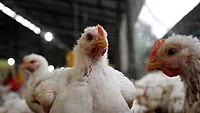
Noting that Campylobacter is the most common cause of food poisoning at national level, UK’s Food Standards Agency (FSA) has launched an aggressive campaign to engage the public in illness prevention. Coinciding with Food Safety Week in the UK, the FSA is urging citizens “to stop washing chicken before cooking it — a practice that can spread Campylobacter bacteria onto hands, work surfaces, clothing and cooking equipment through the splashing of water droplets.”

An April 2014 survey commissioned by the FSA found that in the UK levels of awareness of Campylobacter are well below that of other bacteria that cause food poisoning. More than 90% of the public have heard of Salmonella and E. coli, whereas only 28% of people know about Campylobacter.

The European Food Safety Authority (EFSA) reports that In the European Union overall, despite the first slight drop in five years in cases of campylobacteriosis (the human form of the disease) in 2012, campylobacteriosis remains the most commonly reported zoonotic disease, accounting for 214,000 cases of infection.

An edited excerpt of the FSA's news release follows:

The FSA has issued a call for people to stop washing raw chicken to reduce the risk of contracting campylobacteriosis. The call comes as new figures show that 44% of people [in the UK] always wash chicken before cooking it – a practice that can spread Campylobacter bacteria onto hands, work surfaces, clothing and cooking equipment through the splashing of water droplets.

Campylobacteriosis is the most common form of food poisoning in the UK, affecting an estimated 280,000 people a year. Around four in five of these cases come from contaminated poultry. As part of the call – which comes at the start of this year’s Food Safety Week – the FSA has written to production companies that make food programs, asking them to ensure that people aren’t shown washing raw chicken on TV. The letter... has been co-signed by all of the major food retailers.

Catherine Brown, FSA chief executive, said: “Although people tend to follow recommended practice when handling poultry, such as washing hands after touching raw chicken and making sure it is thoroughly cooked, our research has found that washing raw chicken is also common practice. That’s why we’re calling on people to stop washing raw chicken and also raising awareness of the risks of contracting Campylobacter as a result of cross-contamination.

“Campylobacter is a serious issue. Not only can it cause severe illness and death, but it costs the economy hundreds of millions of pounds a year as a result of sickness absence and the burden on the NHS. Telling the public about the risks and how to avoid them is just one part of our plan to tackle Campylobacter. We are leading a campaign that brings together the whole food chain, which includes working with farmers and producers to reduce rates of Campylobacter in flocks of broiler chickens and ensuring that slaughterhouses and processors are taking steps to minimize the levels of contamination in birds. We are committed to acting on Campylobacter and providing safer food for the nation.”

Related Items

  • Letter to broadcasters: A plea from all the major supermarkets and the Food Standards Agency (pdf 895KB)
  • Campylobacter awareness study carried out by Harris Interactive in April 2014 (pdf 45KB)
  • Information on the FSA's Acting on Campylobacter Together (ACT) program
  • Information on the FSA's Campylobacter risk management program

Author(s): Heidi Parsons

Looking for quick answers on food safety topics?
Try Ask FSM, our new smart AI search tool.
Ask FSM →


Share This Story

Recommended Content

JOIN TODAY
to unlock your recommendations.

Already have an account? Sign In

  • people holding baby chicks

    Serovar Differences Matter: Utility of Deep Serotyping in Broiler Production and Processing

    This article discusses the significance of Salmonella in...
    Food Type
    By: Nikki Shariat Ph.D.
  • woman washing hands

    Building a Culture of Hygiene in the Food Processing Plant

    Everyone entering a food processing facility needs to...
    Training
    By: Richard F. Stier, M.S.
  • graphical representation of earth over dirt

    Climate Change and Emerging Risks to Food Safety: Building Climate Resilience

    This article examines the multifaceted threats to food...
    Best Practices
    By: Maria Cristina Tirado Ph.D., D.V.M. and Shamini Albert Raj M.A.
Manage My Account
  • eMagazine Subscription
  • Subscribe to eNewsletter
  • Manage My Preferences
  • Website Registration
  • Subscription Customer Service

More Videos

Sponsored Content

Sponsored Content is a special paid section where industry companies provide high quality, objective, non-commercial content around topics of interest to the Food Safety Magazine audience. All Sponsored Content is supplied by the advertising company and any opinions expressed in this article are those of the author and not necessarily reflect the views of Food Safety Magazine or its parent company, BNP Media. Interested in participating in our Sponsored Content section? Contact your local rep!

close
  • Salmonella bacteria
    Sponsored byThermoFisher

    Food Microbiology Testing Methods: Salmonella species

  • a diagram explaining indicator organisms
    Sponsored byHygiena

    How Proactive Listeria Testing Helps Prevent Six- and Seven-Figure Recalls

  • woman grocery shopping
    Sponsored byCorbion

    Designing Safety Into Every Bite: Proactive Risk Mitigation for Refrigerated Foods

Popular Stories

NRTE breaded stuffed chicken

USDA Indefinitely Delays Enforcement of Salmonella as Adulterant in Raw Breaded, Stuffed Chicken

non-conforming product

How to Handle Non-Conforming Product

spoonfuls of food ingredients

FDA’s Developing Rule to Tighten GRAS Oversight Moves to White House

Events

December 11, 2025

How to Develop and Implement an Effective Food Defense Strategy

Live: December 11, 2025 at 2:00 pm EDT: From this webinar, attendees will learn common areas where companies encounter challenges in their food defense strategies and how to address them.

May 11, 2026

The Food Safety Summit

Stay informed on the latest food safety trends, innovations, emerging challenges, and expert analysis. Leave the Summit with actionable insights ready to drive measurable improvements in your organization. Do not miss this opportunity to learn from experts about contamination control, food safety culture, regulations, sanitation, supply chain traceability, and so much more.

View All

Products

Global Food Safety Microbial Interventions and Molecular Advancements

Global Food Safety Microbial Interventions and Molecular Advancements

See More Products

Related Articles

  • UK Food Standards Agency Issues New Plan to Tackle Campylobacter

    See More
  • UK Food Standards Agency CEO Discusses Campylobacter Control Plan

    See More
  • UK's Food Standards Agency Offers Web-Based HACCP Guidance

    See More

Related Products

See More Products
  • 1119053595.jpg

    Food Safety for the 21st Century: Managing HACCP and Food Safety throughout the Global Supply Chain, 2E

  • 9781498721776.jpg

    Handbook of Food Processing: Food Safety, Quality, and Manufacturing Processes

  • 9781138198463.jpg

    Food Safety Management Programs: Applications, Best Practices, and Compliance

See More Products

Related Directories

  • Gold Standard Diagnostics

    Gold Standard Diagnostics develops and markets rapid test kits and analyzers for a wide range of food contaminants including: allergens, pathogens, patulin and mycotoxins, glyphosate and pesticides, VDRs, GMOs and more. Get accurate results in minutes on-site with Gold Standard Diagnostics test kits.
  • Percept Brand Design Agency

    Percept is a creative, design and branding agency in Sydney, Australia. We're branding specialists, with a focus on strategic packaging design solutions that achieve successful outcomes.
×

Never miss the latest news and trends driving the food safety industry

eNewsletter | Website | eMagazine

JOIN TODAY!
  • RESOURCES
    • Advertise
    • Contact Us
    • Directories
    • Store
    • Want More
  • SIGN UP TODAY
    • Create Account
    • eMagazine
    • eNewsletter
    • Customer Service
    • Manage Preferences
  • SERVICES
    • Marketing Services
    • Reprints
    • Market Research
    • List Rental
    • Survey/Respondent Access
  • STAY CONNECTED
    • LinkedIn
    • Facebook
    • Instagram
    • X (Twitter)
  • PRIVACY
    • PRIVACY POLICY
    • TERMS & CONDITIONS
    • DO NOT SELL MY PERSONAL INFORMATION
    • PRIVACY REQUEST
    • ACCESSIBILITY

Copyright ©2025. All Rights Reserved BNP Media.

Design, CMS, Hosting & Web Development :: ePublishing