Naturally preserving food with gases
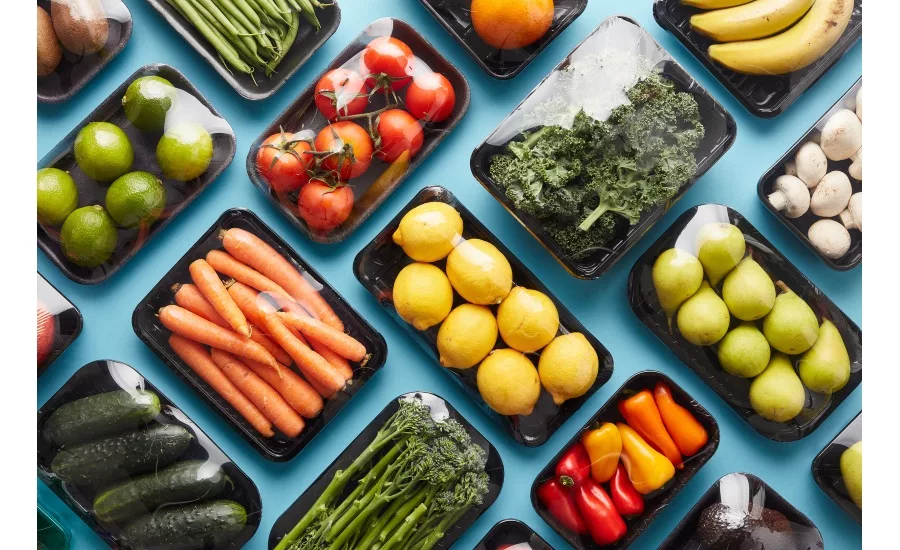
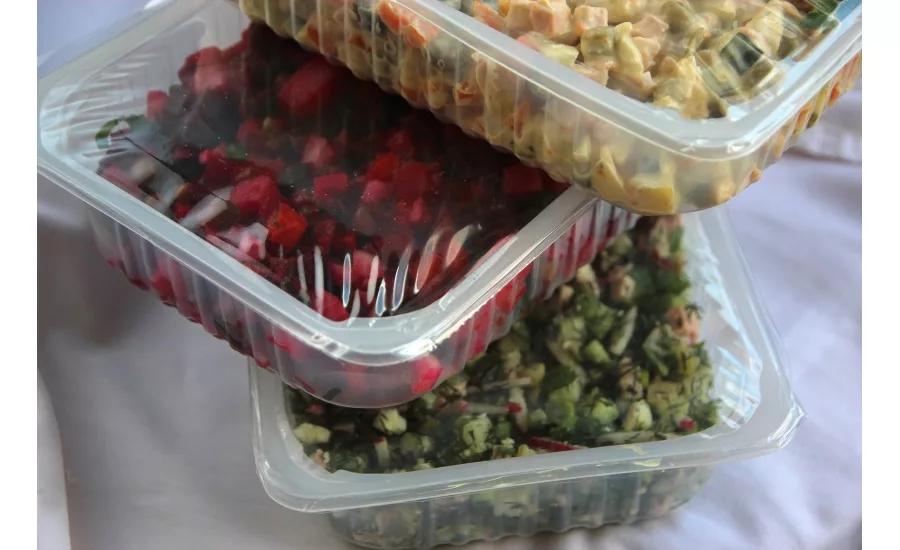
Understanding why food spoils is critical when considering the best way to preserve it. The most common reason food spoilage occurs is because it is exposed to mold and bacteria causing pathogens to attack. These microbes can cause diseases such as botulism and listeria. Another very common reason for food spoilage is when oxidation occurs. Oxidation is when Oxygen comes in contact with food causing a chemical reaction, altering the molecular structure of a substance. It is easy to understand why packaging foods correctly is so important to its viability.
In this mobile world we live in food is traveling great distances from the manufacture to the end user, the consumer. Not only is there interest in preserving the integrity of the food and preventing contamination but the food needs to maintain its physical appearance. Oxygen has a negative effect on the appearance of food causing meets to turn brown and fruits to discolor. There are many ways to prevent food from spoiling and to extend its shelf life. Adding preservatives, chemicals, or stabilizers is a common way to extend shelf life of a product and help prevent both oxidation and pathogens. The unnatural process of adding preservatives has many drawbacks, including ill effect on consumers health. Additives and preservatives have been known to contribute to many health conditions, ranging from ADHD to diabetes, not to mention the impact it has on the taste and texture of foods. The limits imposed by the negative effects of preservatives has manufacturers reaching for other sources to help extend shelf life and preserve food. Alternate processing technologies such as keeping foods cold, flash freezing, pickling, adding salt to name a few are an option depending on the products to be processed.
Today’s health-conscious consumer does not want to buy products loaded with preservatives, salts and added chemicals. They want fresh foods that look as good as they taste. Consumers have become more educated on what products they are consuming and how those products are affecting their health. For this reason, more and more manufacturers are turning to the natural way to preserve food and extend shelf life using natural gases that are found in the earth’s atmosphere.
Gases prevent molecular breakdown of food naturally
Nitrogen, Oxygen, and Carbon Dioxide are being used either alone or as a mixture to extend the shelf life and prevent molecular breakdown of a wide variety of foods. Gases can help prevent discoloration and provides an added barrier against spoilage of fresh produce, raw meats, poultry, fish, packaged bakery, snack foods, chips, crackers, etc. The process of using gasses to naturally preserve foods is called MAP, Modified Atmosphere Processing. The type of gas and or mixture depends on the food that needs to be preserved. MAP involves changing the atmosphere inside a container that the food is packaged in, replacing it with a gas mixture of Nitrogen, Oxygen and Carbon Dioxide. The goal is to maintain the new atmosphere at a level that will allow the food to thrive for a longer period. In most cases oxygen is being replaced with a mixture of gases because Oxygen is the main culprit in food breaking down and spoiling. Carbon Dioxide is most commonly used to prevent the growth of mold and bacteria and is used to achieve the longer shelf life. The balance of how much Carbon Dioxide, Nitrogen and Oxygen to leave in a package is a unique recipe that should be customized according to the products being preserved.
Gases protect the integrity of food
Food and beverage products use gas flushing not only to delay oxidation and prevent spoilage but to help maintain package conformity as well. Gas flushing with nitrogen is a common way to remove oxygen in a package and replace it with nitrogen. Chips and other snack foods use gas flushing to protect the products from smashing and preserve freshness. Coffee is another common product that uses gas flushing with nitrogen to help preserve freshness and flavor.
Looking for quick answers on food safety topics?
Try Ask FSM, our new smart AI search tool.
Ask FSM →
Gases help meet the demand of manufacturers and consumers
Choosing a gas source that offers a high level of quality and service is very important to the success of MAP. Not all gas suppliers are equal when it comes to quality, availability and service. If the gas is contaminated or the mixture is not correct, then the quality of the process will be compromised. A pure gas source is vital to ensuring that the taste and texture remains unadulterated and consistency is maintained throughout the entire process.
Supply options are also an important detail that should be customized to the manufacture needs. Having the option to have a product line supplied in cylinders, bulk storage or tube trailers not only allows an option unique to the product being manufactured, but ensures that growth can be accommodated in the future. When choosing a company to supply the gas, manufactures will need to consider the location of the production facility, distribution centers and delivery fleet to help ensure high quality products are available when they are needed. Not all gas companies can provide product in a timely matter to all manufacturer’s locations. The gas supplier should provide a service that enhances a manufactures productivity with on time deliveries at a reasonable cost. This is achieved by having an easily assessable gas source logistically convenient to the customer site. The larger the supply network the more resources that are available ensuring that the food manufactures demands can be met when and where they are needed.
Working with a gas company that can offer a high level of service is especially crucial to food manufacturers. The gas needed for MAP will have to be carefully selected according to what needs to be preserved. Having a highly qualified, reputable gas supplier that can guide the manufacturer on what mix to use, how much gas per package and at what purity will ensure a successful MAP program. Preserving and protecting food while maintaining the highest level of productivity, quality and cost effectiveness should be the goal.
Gases are a natural way to protect foods from spoiling and help extend the shelf life, taste and texture. Quality, availability and service all play an important role to the productivity of the manufacturing process and the success of the MAP program. When teamed up with a reputable gas organization, food manufacturers can use gases to preserve and extend the life of their products efficiently, safely and effectively.
For additional information please contact Mary Vessele at Praxair: 630-209-8728, mary.vessele@linde.com.





